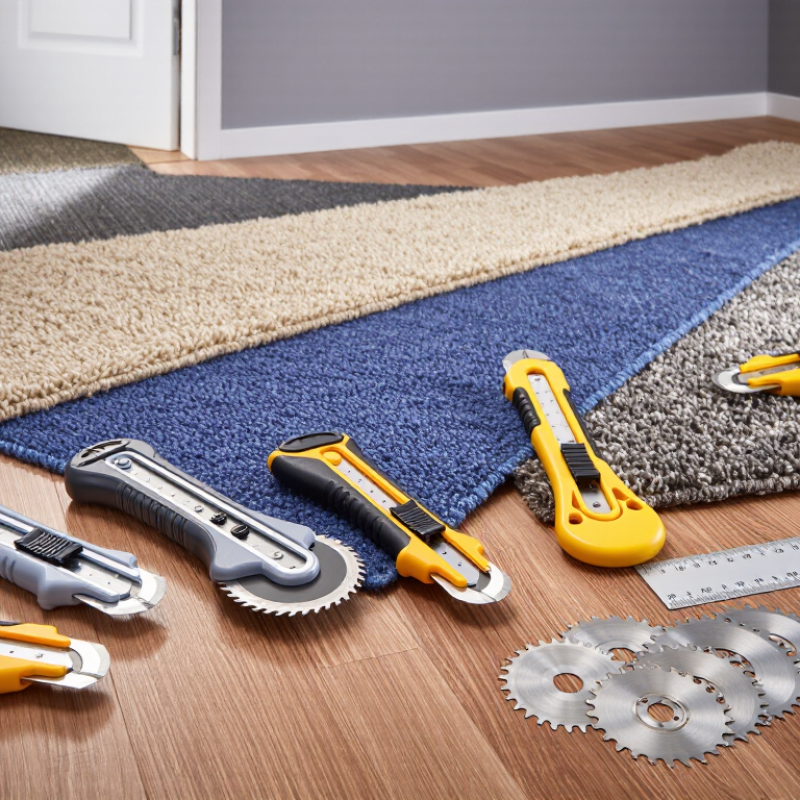
| Dedicated carpet knife | Usually accepts replaceable straight or hooked blades. The body is shaped for common carpet-cutting and trimming tasks. | Look for a secure blade holder and a design that covers or retracts the blade when not in use. Keep the free hand out of the cutting path. | A broad, contoured handle can be easier to grip during repeated cuts. Handle shape and comfort vary by model. | Metal bodies generally resist impact better than lightweight plastic, while the blade remains a replaceable wear item. | Regular carpet installation and trimming when a purpose-shaped handle is preferred. |
| Retractable utility knife with straight blade | Uses a straight utility blade for controlled trimming and cutting tasks. Blade extension is adjustable on many designs. | Retract the blade before setting the tool down or carrying it. Use only as much blade extension as the cut requires. | Choose a handle that fits the user’s hand and offers a secure grip, especially for repetitive work. | Blade replacement is straightforward on many models; body life depends on construction and care. | General-purpose cutting and precise trimming, including work around edges and openings. |
| Hook-blade carpet knife | Uses a curved hook blade commonly selected for cutting carpet and other flooring materials. The hook helps engage material during a cut. | The exposed hook remains sharp and can catch or cut skin. Store it covered, and cut away from the body where practical. | A comfortable handle and a secure blade fit help maintain control; do not force a dull blade through material. | Blades are replaceable. Check the blade holder regularly for looseness or damage. | Carpet cuts where a hooked blade is suitable; check the flooring material and cutting method before use. |
| Heavy-duty utility knife | Typically has a sturdy body and accepts replaceable utility blades; suitable for demanding general cutting when compatible with the blade type. | A heavier body does not make a cut safer. Use a locking or retracting mechanism correctly and avoid excessive force. | A larger grip may suit users who prefer a substantial handle, but can feel bulky for fine trimming or smaller hands. | A robust body can tolerate frequent job-site use. Inspect moving parts and blade-retention components for wear. | Frequent use or tougher cutting tasks, provided the selected blade is appropriate for carpet. |
| Snap-off utility knife | Uses a segmented blade; a fresh segment can be exposed when the current edge becomes dull. Confirm that the tool is rated for the intended material. | Use the built-in segment-breaking feature as instructed, and dispose of broken segments in a puncture-resistant container. | A slim profile can support controlled light trimming, though it may be less comfortable for prolonged heavy cutting. | Blade segments are replaceable, but the blade channel and locking mechanism should be kept clean and checked for secure engagement. | Light trimming and tasks where a fresh edge is useful; not every snap-off knife is suitable for thick carpet. |
| Selection note: Features and suitability vary by individual tool. Check the manufacturer’s instructions, use a blade intended for the material, wear appropriate hand protection, and replace dull or damaged blades. No cutter type eliminates the need for careful cutting technique. |



 Close