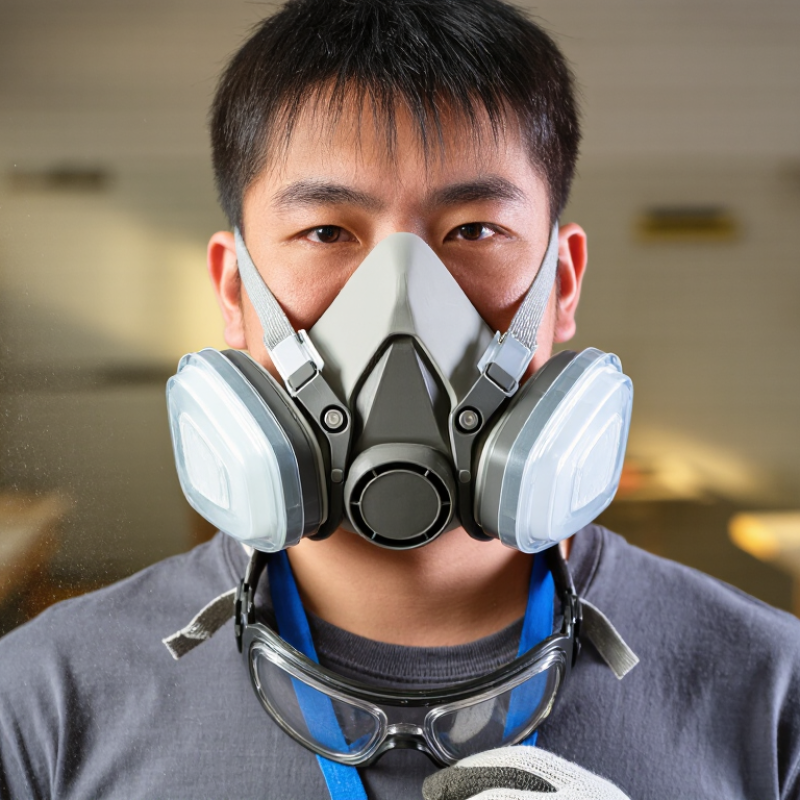
A dust-proof mask should match the particle hazard, not just feel thick. NIOSH’s 42 CFR Part 84 classifies filters at 95%, 99%, or 99.97% efficiency under specified test conditions. These ratings describe filter performance, not protection on every face. A loose nose bridge can let dust bypass the filter. Fit matters more. Check the mask’s approval label and whether its material suits the work, such as fine sanding dust or larger particles from sweeping.
Reusable elastomeric masks can reduce disposable waste, but their seals, valves, and filters need regular attention. OSHA’s respirator standard, 29 CFR 1910.134, includes cleaning and inspection procedures for reusable respirators. After dusty work, inspect the face seal for cracks and check valves for debris. Clean the mask as its instructions specify, and replace filters when damaged, dirty, or due for replacement. A washable shell does not mean its filter is washable.
Many disposable filtering facepieces are intended for limited use; follow the product instructions rather than rinsing them. Moisture, skin oils, and crushed filter layers may affect performance. Not obvious at first. Keep masks dry and clean between uses, and discard one if it is torn, misshapen, or difficult to breathe through. Even careful maintenance cannot fix a poor fit, and that is easy to overlook.



 Close