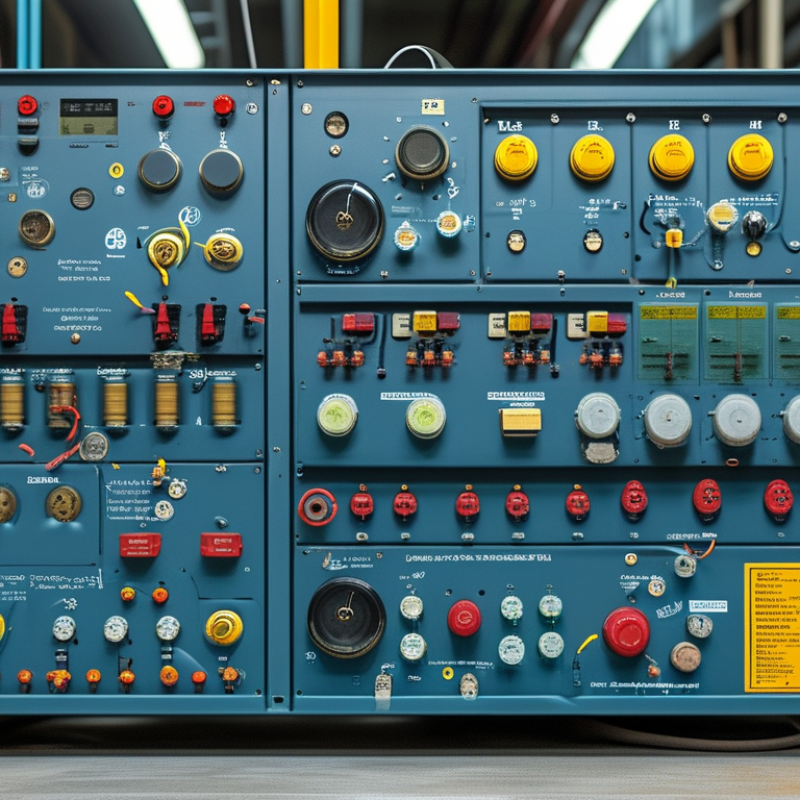
| Fixed Capacitor Bank | Steady loads with a relatively constant reactive-power demand, such as continuously operating motors, transformers, or dedicated process equipment. | Requires a correctly rated protective device, isolation means, discharge resistors, short-circuit protection, suitable cable sizing, and verification of the target power factor before energization. | Usually compact and suitable for an indoor electrical room or a properly rated outdoor enclosure. Provide ventilation and keep the bank away from excessive heat, moisture, dust, and corrosive vapors. | Visual inspection every 3–6 months; check terminals, fuses, enclosure temperature, bulging, leakage, and abnormal noise. De-energize and verify discharge before hands-on work. | Suitable where harmonic distortion is low and stable. Use a harmonic study before connecting to systems containing large variable-speed drives, rectifiers, UPS systems, or arc equipment. | Approximately 10–15 years under suitable temperature and voltage conditions. | US$2,000–8,000 | US$150–400 | US$3,500–12,000 | Most economical when the load is stable and the risk of overcompensation is low. |
| Automatic Stepped Capacitor Bank | Facilities with changing loads, including manufacturing plants, commercial buildings, pumping stations, and mixed motor loads. | Requires a power-factor controller, current-transformer signal, step contactors or switching devices, protective coordination, control wiring, and commissioning at minimum and maximum operating loads. | Needs more panel space than a fixed bank because of the controller, switching equipment, fuses, and multiple capacitor steps. Maintain clearances for heat dissipation and service access. | Inspect and clean the enclosure every 3–6 months. Test contactors, controller settings, fuses, ventilation, capacitor temperature, and step switching. Contactors and cooling fans may require replacement during the system life. | Acceptable on relatively clean power systems. In systems with significant harmonics, use detuned reactors or another harmonic-control solution to reduce resonance risk. | Approximately 10–15 years; switching components may have shorter replacement intervals. | US$5,000–18,000 | US$300–900 | US$9,000–32,000 | A practical general-purpose choice when reactive demand varies throughout the day. |
| Detuned Automatic Capacitor Bank | Industrial facilities with moderate harmonic-producing equipment, such as variable-speed drives, rectifiers, data-center loads, or welding equipment. | Requires a harmonic assessment, correctly selected reactor tuning, automatic step control, coordinated protection, thermal design, and commissioning checks for resonance and capacitor current. | Requires additional cabinet volume and ventilation because detuning reactors generate heat. Provide adequate spacing, airflow, and access for reactor and capacitor inspection. | Inspect reactors, capacitors, connections, fuses, fans, and thermal protection every 3–6 months. Record capacitor current and reactor temperature; investigate overheating or unusual vibration promptly. | Better suited to harmonic environments than an unprotected capacitor bank. Detuning reduces the likelihood of resonance but does not replace a complete harmonic study or active filtering where distortion is severe. | Approximately 10–15 years for capacitors; reactors and fans may require periodic replacement or servicing. | US$9,000–30,000 | US$500–1,300 | US$16,000–48,000 | Often the preferred compromise between power-factor correction and harmonic resilience. |
| Medium-Voltage Capacitor Bank | Utility substations, large motors, medium-voltage feeders, and high-capacity industrial distribution systems where correction is required above 1 kV. | Requires medium-voltage-rated switching and protection, isolation, grounding, discharge equipment, safety barriers, controlled access, and commissioning by qualified personnel. | Typically needs a dedicated outdoor yard, fenced area, or medium-voltage switchgear section. Clearances, grounding, weather protection, and arc-flash controls are critical. | Requires documented inspection and testing, including insulation condition, connections, fuses, surge protection, grounding, discharge devices, and enclosure condition. Maintenance intervals are commonly annual or based on the site safety program. | Requires a detailed system study because switching transients, resonance, inrush current, and harmonic amplification can affect the wider medium-voltage network. | Approximately 15–20 years with suitable voltage, temperature, and maintenance conditions. | US$25,000–100,000+ | US$1,000–4,000 | US$40,000–145,000+ | Appropriate only when the distribution voltage and system capacity justify the higher installation and safety requirements. |
| Contactor-Switched Capacitor Bank with Detuned Reactors | Low-voltage facilities with regularly changing loads and moderate harmonic content where cost control and conventional correction are priorities. | Requires a controller, current transformer, capacitor steps, contactors, detuned reactors, protective devices, temperature management, and commissioning across the operating load range. | Requires a larger enclosure than a basic automatic bank because reactors add heat and weight. Adequate ventilation and separation from heat-sensitive equipment are essential. | Inspect switching devices, capacitor current, reactor temperature, fuses, fans, and connections every 3–6 months. Replace worn contactors or fans as indicated by operating hours and test results. | Provides improved protection against common resonance conditions, but reactor tuning must match the system design. It is not intended to eliminate high harmonic distortion by itself. | Approximately 10–15 years for capacitors, with service parts replaced as needed. | US$8,000–26,000 | US$450–1,200 | US$15,000–43,000 | A balanced solution for variable loads where moderate harmonic protection is needed. |
| Thyristor-Switched Detuned Capacitor Bank | Fast-changing loads requiring rapid correction, such as cranes, elevators, welding lines, presses, or equipment with frequent load steps. | Requires electronic switching modules, controller settings, current-transformer feedback, fast protective devices, reactor selection, thermal design, and commissioning under representative load changes. | Requires careful heat management and often forced ventilation. Panel space and service access must accommodate power electronics, reactors, capacitor stages, and monitoring equipment. | Inspect cooling systems, thyristor modules, capacitors, reactors, fuses, terminals, and control alarms every 3–6 months. Thermal imaging and event-log reviews can help identify loose connections or overloaded components. | Well suited to rapid load changes and avoids mechanical contactor wear. Detuning helps manage resonance, but a harmonic study remains necessary for systems with high distortion. | Approximately 10–15 years; fans and electronic switching components may need earlier replacement. | US$15,000–45,000 | US$800–2,000 | US$28,000–68,000 | Best when fast response, frequent switching, and reduced mechanical wear are more important than minimum first cost. |


 Close
Close