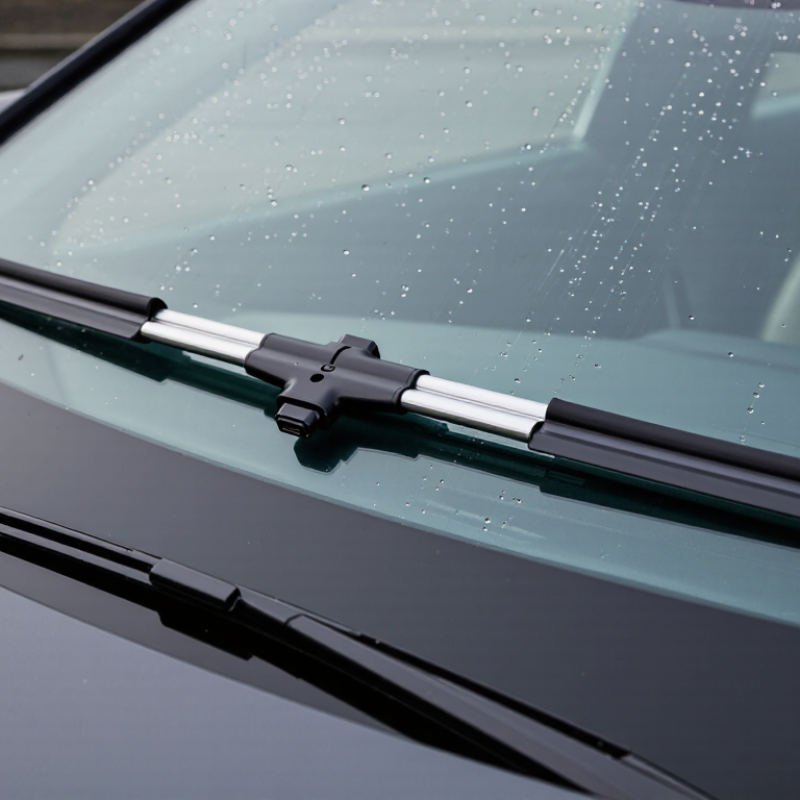
| Frequent heavy rain | Large amounts of water can reduce visibility and cause missed areas when the blade cannot maintain contact with the glass. | Aerodynamic flat profile, flexible spoiler, even pressure distribution, and a high-quality wiping edge. | Choose the exact vehicle-specific length and connector. Check that the blade remains stable at motorway speeds. | Clean the windscreen and rubber edge regularly. Replace the blade when it leaves untreated water bands or repeating streaks. |
| Light rain and drizzle | Small amounts of water mixed with road film can create smearing and glare, especially at night. | Soft, uniform wiping edge with a smooth surface finish and reliable low-pressure contact. | Prioritize clean wiping performance rather than a heavily rigid construction. Avoid using worn blades on a dry screen. | Use screen-wash fluid suitable for automotive glass and clean the blade edge if it begins to drag. |
| Snow and freezing temperatures | Ice can bond the blade to the windscreen, while packed snow may increase resistance and damage the rubber edge. | Cold-resistant rubber compound, protected blade construction, and a durable adapter that remains functional in low temperatures. | Do not operate frozen blades. Confirm that the design does not allow excessive snow or ice to accumulate around the wiping edge. | Remove snow and fully defrost the glass before use. Never pull a blade across ice or use hot water on a frozen windscreen. |
| Hot, sunny, and dry climates | Ultraviolet exposure, heat, and long periods without rain can harden or crack the rubber. | UV-resistant rubber, heat-tolerant materials, and a protective aerodynamic cover. | Inspect for cracking, splitting, stiffness, or a shiny hardened wiping edge. A blade can age even when it is used infrequently. | Park in shade when possible and clean dust from the windscreen before wiping. Replace the blade if it chatters or skips. |
| Dusty or sandy roads | Fine particles can scratch glass and wear the wiping edge when dragged across a dry or dirty screen. | Flexible wiping edge with good resistance to abrasion and a stable frame that maintains contact across the glass. | Blade design cannot prevent scratching caused by dry debris. Rinse or wash the screen before activating the wipers. | Clean the windscreen frequently and inspect the rubber edge for embedded grit, nicks, and uneven wear. |
| Coastal or salty environments | Salt deposits can create a hazy film and may accelerate corrosion of exposed metal parts. | Corrosion-resistant components, sealed or protected structural parts, and a rubber edge that wipes evenly after washing. | Look for secure end caps and a connector made from materials suited to moisture and salt exposure. | Rinse salt residue from the glass and blade assembly with clean water. Do not rely on wipers alone to remove dried deposits. |
| High-speed motorway driving | Airflow can lift poorly designed blades or reduce contact pressure, causing unwiped zones and vibration. | Low-profile aerodynamic design, integrated spoiler, rigid backing structure, and consistent pressure along the blade. | Use the correct length and connector for the vehicle. Test for stable, quiet movement at different speeds after installation. | Keep the glass free of wax and oily residue. Replace blades that lift, judder, or leave wind-related gaps. |
| Urban stop-and-go traffic | Oil film, exhaust residue, insects, and frequent washer use can reduce wiping clarity. | Streak-resistant wiping edge, smooth operation, and dependable performance at low speeds. | Select a blade that works well with the vehicle's washer system and does not chatter during intermittent wiping. | Clean the glass regularly and use a suitable washer fluid. Avoid repeatedly wiping heavy contamination from a dry screen. |
| Vehicles parked outdoors year-round | Continuous exposure to sunlight, rain, frost, dust, and temperature changes accelerates material aging. | Durable rubber compound, UV and weather resistance, protected backing, and a secure vehicle-compatible adapter. | Choose durability based on the local climate, but evaluate the actual wiping condition rather than relying only on time intervals. | Inspect both front blades and the rear blade, if fitted, at regular intervals. Replace any blade showing cracks, splits, or deformation. |
| Intermittent or seasonal vehicle use | Long storage periods can allow rubber to dry, deform, or bond to contaminants on the glass. | Weather-resistant materials and a wiping edge that retains flexibility during storage. | Check blade condition before returning the vehicle to regular use. A low-use vehicle still needs functional wipers. | Clean the glass and blades before storage, and test the complete washer-and-wiper system before driving in rain. |



 Close
Close