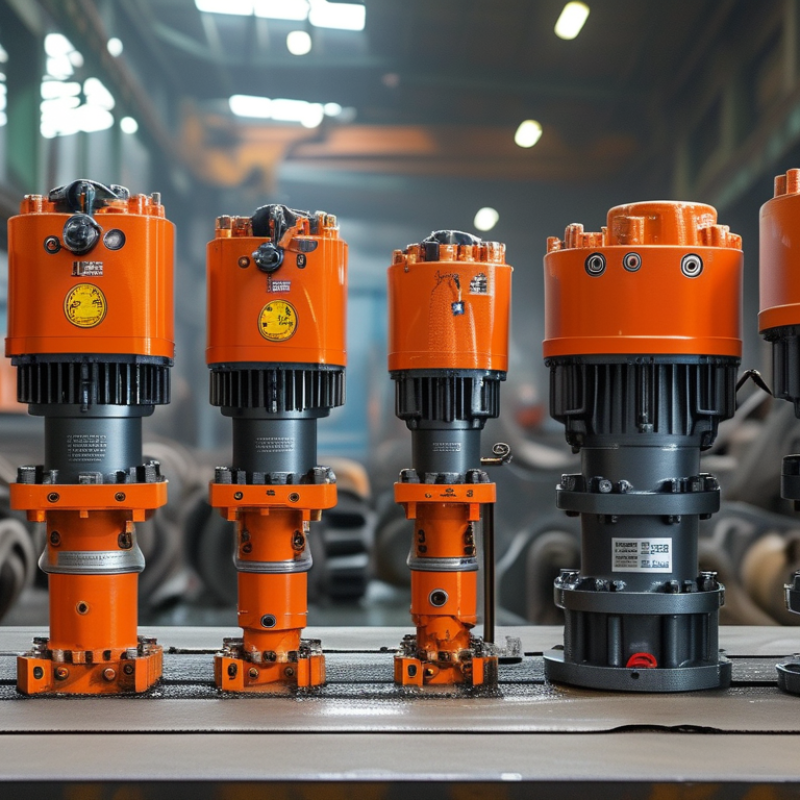
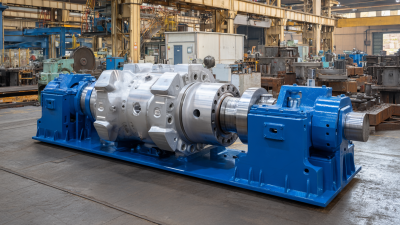
Choosing a hydraulic motor starts with system compatibility, not catalog size. Define continuous and intermittent pressure, required speed, torque, duty cycle, and fluid temperature. A practical calculation helps: torque equals pressure difference multiplied by displacement and mechanical efficiency, divided by 2π. At 200 bar, 80 cm³/rev, and 90% efficiency, the motor produces about 229 N·m. At 100 L/min, its theoretical speed is 1,250 rpm; with 92% volumetric efficiency, expect approximately 1,150 rpm.
Check the complete installation. Confirm shaft loading, mounting dimensions, port type, case-drain requirements, and reverse-rotation limits. A motor may meet the torque target yet fail because the return-line pressure is too high. Fluid selection matters, too. ISO 4413 requires hydraulic systems to address pressure, temperature, contamination, and energy hazards during design. ISO 4406 code 19/16/13 permits roughly 2,500–5,000 particles above 4 microns per millilitre, 320–640 above 6 microns, and 40–80 above 14 microns. That is not especially clean for sensitive components.
Keep the dirt problem visible. Industry maintenance literature often attributes about 70–80% of hydraulic failures to contamination, although estimates vary by application and measurement method. The NFPA fluid-power industry reports also emphasize shipment cycles and maintenance discipline, not motor selection alone. I would verify the duty cycle again; brief overloads are often described too casually. Compare actual pressure traces, startup torque, ambient temperature, and oil viscosity against the motor’s technical data before approval. Reference sources: ISO 4413, ISO 4406, and National Fluid Power Association industry publications.


 Close
Close