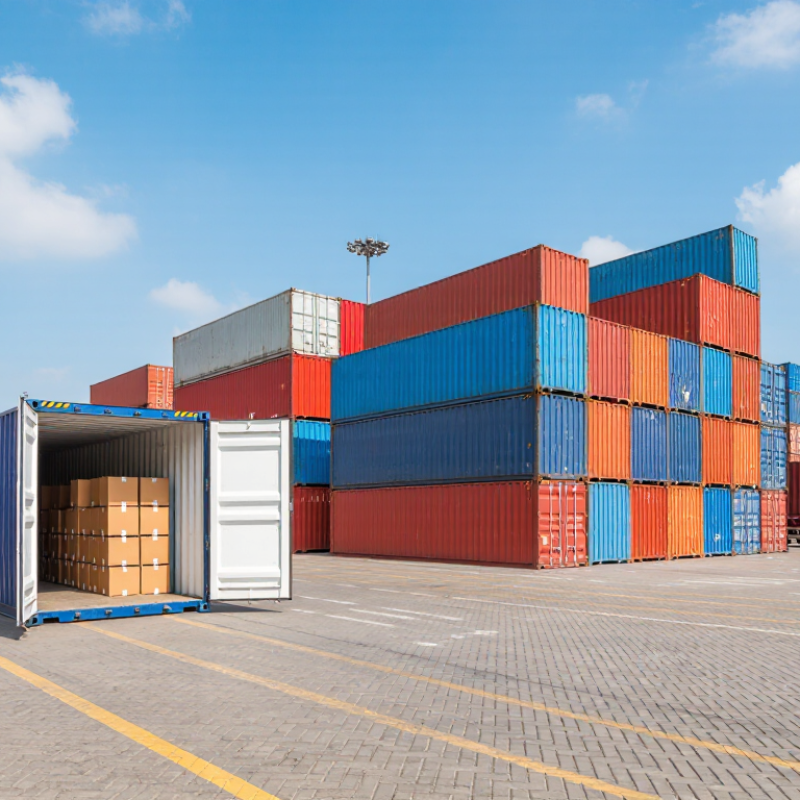
| Container size and type | A standard dry container is commonly available in 20 ft and 40 ft lengths. A 40 ft high-cube container is about 30 cm (1 ft) taller than a standard-height container. | Compare the cargo dimensions, loading method, storage needs, and available site space. Consider a high-cube unit for taller cargo, while checking route height limits. |
| Approximate external dimensions | Typical ISO dry-container dimensions: 20 ft: 6.06 m long × 2.44 m wide × 2.59 m high; 40 ft: 12.19 m × 2.44 m × 2.59 m; 40 ft high cube: about 12.19 m × 2.44 m × 2.90 m. | Confirm the specific unit’s dimensions, including any fittings or attachments. Allow extra space for delivery equipment, door access, and maneuvering. |
| Internal space and door opening | Internal dimensions and door openings vary by container design and condition. Internal width is generally less than the external width, and door height may be less than internal height. | Measure the largest cargo item and its packaging. Verify the actual internal length, width, height, and door opening before booking or loading. |
| Gross weight and payload | Many standard containers have a maximum gross mass of up to 30,480 kg, but permitted payload depends on the container’s tare mass and its marked maximum gross mass. | Read the container’s safety approval plate and check cargo weight, packaging, and load distribution. Do not rely on a typical payload figure or exceed road, rail, or equipment limits. |
| Transport route and vehicle | Transport requirements depend on the container size, loaded weight, vehicle, route, and local rules. Road height, width, axle-load, and gross-weight limits vary by jurisdiction. | Have the carrier check bridges, tunnels, road restrictions, turning space, delivery hours, and any permits or escort requirements, especially for high-cube or overweight loads. |
| Delivery and lifting access | Delivery may require a suitable truck, clear approach, and lifting equipment such as a crane or reach stacker. Equipment capability and reach vary. | Confirm the lifting method, truck access, overhead clearance, ground-level unloading area, and required working space with the carrier before delivery. |
| Site ground and positioning | A container needs a stable, level support surface. Ground bearing capacity depends on the container load, support points, and site conditions. | Assess soil or pavement strength, drainage, slope, and settling risk. Prepare suitable supports and keep doors clear; seek site-specific engineering advice where loads or ground conditions warrant it. |
| Cargo handling and loading | Standard dry containers suit many general cargoes. Open-top, flat-rack, or other special equipment may be needed for cargo that is oversized or cannot be loaded through standard doors. | Check loading access, forklift or crane needs, cargo securing points, weight distribution, and whether the cargo dimensions fit the chosen equipment. |
| Temperature-sensitive cargo | Refrigerated containers require a power supply and operating conditions appropriate to the equipment and cargo. Setpoint range and electrical requirements depend on the unit. | Confirm the required temperature, ventilation, power connection, monitoring, and backup arrangements with the equipment provider and cargo specialist. |
| Dangerous goods | Dangerous goods transport is subject to applicable modal and national regulations, classification, packaging, marking, documentation, and stowage requirements. | Identify the goods and applicable rules before booking. Confirm that the container, carrier, route, and receiving site are suitable and that required documentation and handling controls are in place. |
| Permits and intended use | Temporary storage, permanent placement, conversion, or occupancy may be subject to local planning, building, fire, environmental, or workplace requirements. | Check with the relevant local authority and site owner before installation or modification. Requirements depend on location, duration, use, and site conditions. |
| Condition and suitability | Used containers can differ in corrosion, floor condition, door operation, weather tightness, and repair history. Cargo-specific hygiene or cleanliness needs may also apply. | Inspect the unit or request a condition report. Check doors, seals, roof, walls, floor, ventilation, and any required cleanliness or food-contact suitability. |



 Close