What is a Hydraulic Proportional Valve and How Does It Work?
Hydraulic Proportional Valves are crucial in controlling fluid flow and pressure in hydraulic systems. According to a recent market report, the global hydraulic valve market is projected to reach USD 4.5 billion by 2027, with significant contributions from proportional valves. These devices allow for precise control of hydraulic actuators, enhancing machine performance and efficiency.
In industrial applications, the use of hydraulic proportional valves leads to improved energy efficiency and reduced operational costs. However, many engineers overlook their maintenance. Neglecting this can lead to performance degradation. Proportional valves can become less responsive over time, affecting the entire hydraulic system's effectiveness.
Moreover, advancements in technology bring both benefits and challenges. While smart hydraulic proportional valves offer enhanced control, they also require skilled operators. This raises questions about training and workforce readiness in a rapidly evolving industry. Understanding hydraulic proportional valves is essential for maximizing their potential in modern machinery.
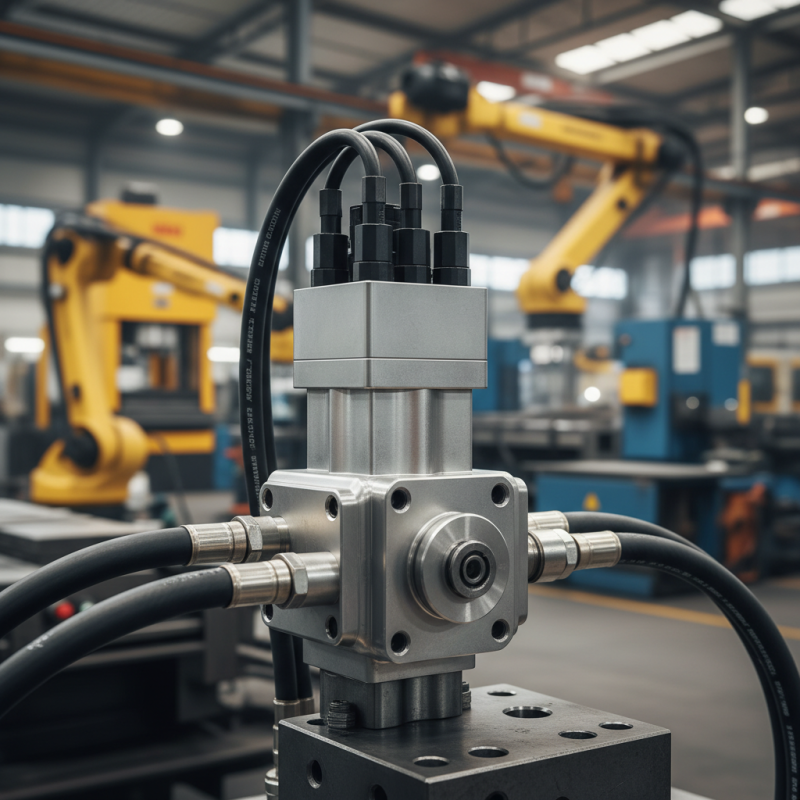
What is a Hydraulic Proportional Valve?
A hydraulic proportional valve is a key component in fluid power systems. It controls the flow and pressure of hydraulic fluid in a precise manner. These valves adjust various functions in machinery smoothly. By modulating the hydraulic flow, operators can achieve finely tuned performance.
These valves work by receiving electrical signals. The signal determines the valve's position, which in turn adjusts fluid flow. This control helps machinery operate effectively, enhancing performance and efficiency. The output can vary based on the input signal, making it highly responsive. Users often appreciate this adaptability in different applications.
However, improper setup can lead to issues. If the signals are inaccurate or feedback is poor, performance suffers. Understanding the valve's characteristics is crucial. It requires a balance between responsiveness and stability. The complexity of these systems can introduce challenges. It's essential to reflect on operational settings and continually improve for the best outcomes.
The Design and Components of Hydraulic Proportional Valves
A hydraulic proportional valve is essential in controlling fluid flow and pressure in hydraulic systems. Its design includes various components that enable precise control. Key parts include the actuator, the valve body, and electronic controls. The actuator moves the valve’s spool, changing the flow rate based on input signals. The valve body houses this moving part.
Tips: Regular maintenance is critical. Check for wear or leaks frequently. It’s easier to fix small issues before they escalate.
These valves offer flexibility. They can modulate flow and pressure smoothly. However, designing a valve that achieves this balance isn't simple. Sometimes, small errors in dimensions can lead to significant performance issues. Engineers must stay attentive throughout the design process.
Another aspect to consider is temperature. Proportional valves can be sensitive to thermal expansion. Choosing suitable materials matters. Using incorrect materials can lead to malfunction. Always consult professionals when selecting components.
How Hydraulic Proportional Valves Function in Fluid Control
Hydraulic proportional valves play a key role in fluid control systems. They regulate fluid flow and pressure with precision. By adjusting the flow rate, they help in various applications, from industrial machinery to mobile equipment. Understanding how they function can enhance system performance.
These valves operate using electronic signals. A control unit receives input data and adjusts the valve position. This process ensures that fluid flow matches the demand of the system. The result is smoother operation and better efficiency. However, not all systems are ideal for hydraulic proportional valves. Often, users overlook installation specifics. Ensuring a proper setup can be crucial for optimal function.
Tip: Regular maintenance checks can improve valve lifespan. Dirt or debris can jam the mechanism. Clean the filters regularly to prevent issues.
Sometimes, the control signals may not align with actual performance. This mismatch can lead to inefficiencies. Regular calibration is essential, but it often gets neglected. A little extra care can go a long way in maintaining functionality.
Tip: Keep an eye on temperature fluctuations. High heat can affect valve performance. Using heat-resistant components may be a wise choice.
Applications of Hydraulic Proportional Valves in Industry
Hydraulic proportional valves play a crucial role in various industrial applications. These valves control the flow and pressure of hydraulic fluid, contributing to the precision of machinery operations. In manufacturing, they manage the speed of hydraulic cylinders. This ensures smooth and efficient movement in processes like metal forming or assembly lines.
In construction, they are essential for operating heavy equipment. These valves allow for precise control of boom and bucket movements. However, improper calibration can lead to inefficiencies. Misalignment in settings often results in sluggish operations or increased energy consumption. Industries must regularly evaluate their systems to avoid such pitfalls.
Agricultural machinery also benefits from hydraulic proportional valves. They enhance the performance of tractors and harvesters. However, heavy reliance on these components can lead to mechanical failures if not maintained properly. Regular inspections and understanding of operating limits are vital. Reflecting on maintenance schedules can significantly improve operational efficiency.
What is a Hydraulic Proportional Valve and How Does It Work? - Applications of Hydraulic Proportional Valves in Industry
| Application Area | Function | Key Benefits | Common Industries |
| Automotive Systems | Precise control of hydraulic systems in brakes and steering | Enhanced safety and responsiveness | Automotive |
| Industrial Machinery | Regulate the flow and pressure of hydraulic fluid | Increased efficiency and reduced energy consumption | Manufacturing |
| Construction Equipment | Control movement and speed of excavators and loaders | Improved precision and control in heavy lifting | Construction |
| Agricultural Machinery | Manage hydraulic systems for planting and harvesting | Higher productivity and reduced operational costs | Agriculture |
| Aerospace | Control flight surfaces and landing gear hydraulics | Enhanced safety and performance | Aerospace |
Advantages of Using Hydraulic Proportional Valves in Systems
Hydraulic proportional valves play a crucial role in modern hydraulic systems. They provide precise control over flow and pressure. This adaptability enhances overall system efficiency. Using these valves can lead to smoother operations in machinery and equipment. They adjust fluid flow according to the demands of the system. This means better performance and reduced energy waste.
One major advantage is their ability to respond quickly. As operational needs change, these valves adjust automatically. This feature can prevent damage to components due to sudden pressure spikes. Operators often notice reduced wear and tear with consistent flow rates. This leads to longer service life for machinery parts.
Tips: When selecting a hydraulic proportional valve, consider the system's size. A valve too small can restrict flow. Conversely, an oversized valve may lead to inefficiencies. Monitor the system regularly to ensure optimal performance. Check settings and adjust them as needed. Sometimes, even small tweaks can yield significant improvements. Regular maintenance can prevent unexpected breakdowns and ensure reliability.



 Close
Close