What is Hydraulic Pump Service and Why is it Important?
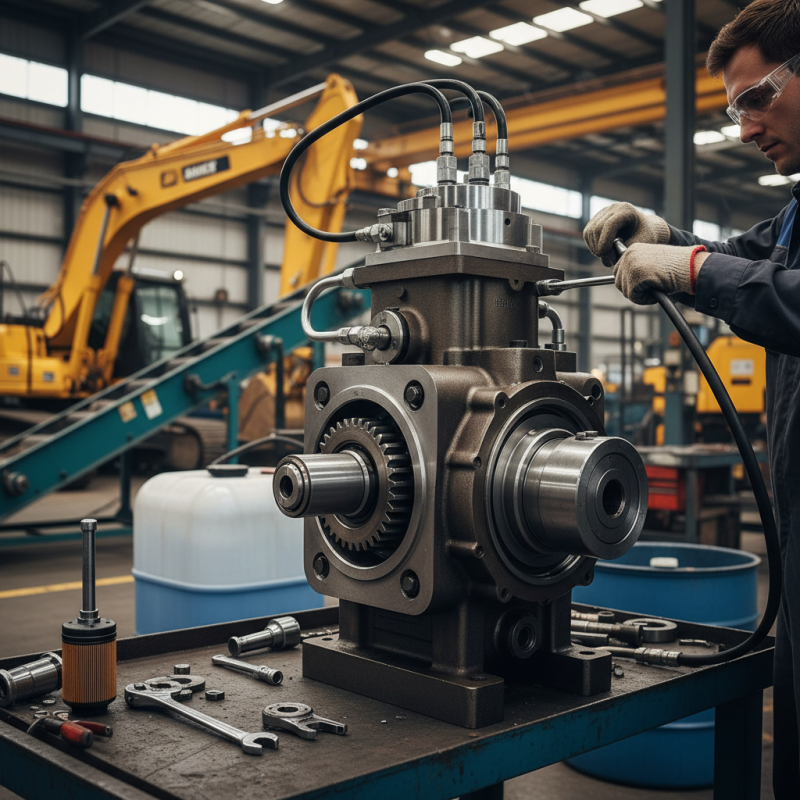
Hydraulic pump service is crucial in maintaining machinery efficiency. These pumps power various applications in construction and manufacturing. Regular service helps prevent unexpected breakdowns, ensuring smooth operations. Neglecting this aspect can lead to costly downtimes and repairs.
Many operators overlook the importance of hydraulic pump service. They may not recognize early signs of wear or damage. This can result in sudden failures. A small leak or noise often signals a larger problem. Ignoring these signs can escalate repair costs over time.
Inadequate maintenance can compromise safety as well. Hydraulic systems operate under high pressure. A malfunction can lead to hazardous situations. Therefore, prioritizing hydraulic pump service is essential for operational reliability and safety in any industrial setting. Observing maintenance schedules can enhance equipment lifespan and performance.
Definition and Functionality of Hydraulic Pumps
Hydraulic pumps play a crucial role in various machinery and systems. They convert mechanical energy into hydraulic energy, creating fluid flow. This process powers numerous applications, from construction equipment to manufacturing machines. By generating high pressure, hydraulic pumps ensure smooth operation in machinery.
One important aspect of hydraulic pumps is their functionality. They use different mechanisms, such as gear or piston designs, to achieve the desired pressure and flow rate. Understanding how these mechanisms work can help users maintain their systems effectively. Regular maintenance is essential to prevent breakdowns and ensure optimal performance.
Tips: Always check for leaks. A small leak can indicate bigger issues ahead. Ensure that filters are replaced regularly. Clean filters can prevent damage to the pump.
Hydraulic pump service is often overlooked but must not be ignored. Many operators underestimate wear and tear, leading to costly repairs later. Regular inspections can identify potential problems early. Don't wait for a complete failure to act. Recognize the importance of maintaining these pumps to ensure continuous operation and productivity.
Common Types of Hydraulic Pumps and Their Applications
Hydraulic pumps are crucial in various industries, facilitating operation in construction, manufacturing, and agriculture. Among the common types of hydraulic pumps, gear pumps are prevalent due to their efficiency in delivering fluid at high pressures. Reports indicate that gear pumps can operate at pressures exceeding 5,000 psi, making them ideal for heavy machinery. They are often chosen for their compact size and ability to handle high viscosity fluids.
Another significant type is the vane pump. These pumps are characterized by their high efficiency and smooth operation. They are widely used in hydraulic systems for automotive applications and can achieve flow rates up to 200 liters per minute. As per industry data, vane pumps are favored for their reliability, yet they can be sensitive to fluid contamination. Attention to maintenance is vital to avoid performance degradation.
Piston pumps represent a different approach. They are known for high-pressure applications exceeding 6,000 psi. These pumps are versatile but also complex. They require careful installation and regular servicing to prevent failure. Data shows that improper maintenance can lead to increased downtime and costly repairs. Users must remain vigilant about their operational condition to ensure longevity.
Key Components of Hydraulic Pump Systems
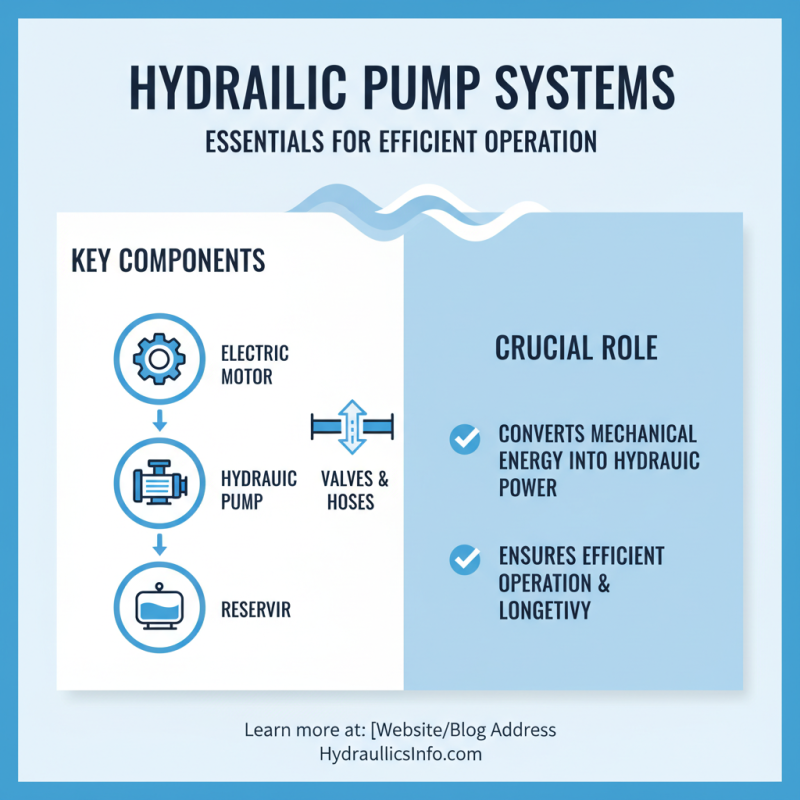
Hydraulic pump systems are essential in various industries. They play a crucial role in converting mechanical energy into hydraulic energy. Understanding their key components can ensure efficient operation and longevity.
A hydraulic pump typically consists of several key components. The motor, which drives the pump, is essential. It converts electrical energy to mechanical energy. Next, the pump casing houses all internal components and helps contain the hydraulic fluid. Don't forget about the valves. They control fluid flow, direction, and pressure, making them crucial for system functionality.
Tips: Regular maintenance can prevent sudden failures. Inspect seals and gaskets often. Wearing components like couplings should be checked too. Keep an eye on fluid levels and quality. Dirty fluid can lead to decreased efficiency or damage.
Moreover, consider system design and placement. A well-placed pump can minimize energy loss. However, poor placement can create stress on components. Analyze the layout and make adjustments as needed. A thoughtful approach to hydraulics can lead to improved performance over time.
Importance of Regular Hydraulic Pump Maintenance
Hydraulic pumps play a vital role in various industrial applications. Regular maintenance of these systems is crucial. According to a study by the International Fluid Power Society, up to 70% of hydraulic failures are attributed to poor maintenance practices. Ignoring routine checks can lead to system breakdowns. This results in costly repairs and production delays.
Regular hydraulic pump maintenance can prevent these issues. Simple actions, like checking oil levels and inspecting seals, can enhance performance. The National Fluid Power Association reports that proper maintenance can extend the service life of hydraulic pumps by up to 50%. However, many facilities overlook these tasks. They may lack staff training or resources, which can impact overall safety and efficiency.
Inconsistent maintenance can be a major flaw in operations. Teams might prioritize production over servicing equipment. Yet, this mindset could backfire, leading to equipment failure. Creating a maintenance schedule can help address this. Regular audits may reveal gaps in service routines, allowing teams to reflect on their practices and improve them.
Signs Indicating a Need for Hydraulic Pump Service
Hydraulic pumps are critical for many industrial applications. However, they can show signs that indicate the need for service. Recognizing these signs early can prevent costly downtime and repairs.
Common indicators include unusual noises. Grinding or squeaking sounds often suggest internal wear. Additionally, fluctuating pressure readings can point to issues with the pump's components. A significant decrease in efficiency is another telling sign. If your machinery requires more power to operate, the pump may need attention.
Tip: Regular maintenance checks can identify issues before they escalate. Monitoring fluid levels and quality is essential. Degraded fluid can lead to pump failure. Therefore, keep an eye on the hydraulic fluid’s condition.
Moreover, visual inspections can reveal leaks or damage. Look for discolored or oily spots under the machinery. These could signal a leak, risking further damage. Don't ignore small issues; they can become major problems if left untreated.
Hydraulic Pump Service Importance and Indicators


 Close
Close