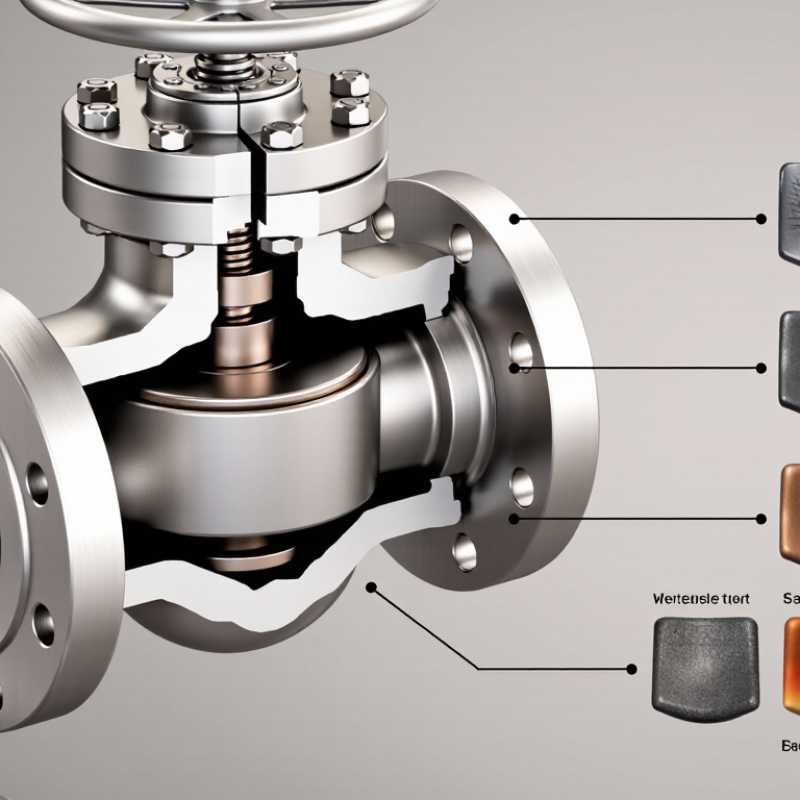
| Sealing interface | When the valve closes, the gate meets the seat surfaces inside the body. Contact between these surfaces restricts flow through the valve. | The condition and alignment of the seat and gate strongly affect shutoff performance. | Wear, corrosion, deposits, or damage can prevent consistent contact and contribute to leakage. |
| Metal-to-metal seats | Machined metal surfaces on the gate and seat come together to form the sealing interface. | They are often selected for services where resistance to heat, pressure, or abrasive conditions is important. | Sealing depends on suitable surface finish, alignment, and condition; metal seats may not provide bubble-tight shutoff in every design or service. |
| Resilient seats | A compliant material, such as an elastomer, deforms against the gate to create a tighter contact seal. | The material can help provide tight shutoff in suitable applications. | Compatibility with the fluid, temperature, pressure, and operating conditions must be checked because resilient materials have service limits. |
| Seat arrangement | Gate valves may use parallel or wedge-style closure arrangements. A wedge gate is driven between the seats as it closes. | The arrangement affects how closing force is applied and how the gate engages the seats. | Valve design determines the appropriate seat and gate geometry; components should be inspected and serviced according to the manufacturer’s instructions. |
| Flow path when open | In a full-bore design, the fully raised gate can leave a relatively unobstructed passage through the valve. | This can reduce obstruction in the open position compared with some throttling valve designs. | Gate valves are generally intended for fully open or fully closed service, not for regulating flow over extended periods. |
| Debris and deposits | Particles or buildup on the seat can interfere with the contact needed when the gate closes. | Even a small obstruction may compromise the seal or damage seating surfaces during operation. | Choose a valve suited to the fluid and service conditions, and follow appropriate cleaning and maintenance practices. |
| Inspection and maintenance | Inspection checks the seat and gate for wear, corrosion, scoring, deposits, and other damage. | Maintaining the sealing surfaces helps support reliable shutoff and can identify problems before they worsen. | Maintenance needs depend on valve design, operating conditions, and service history; isolate and depressurize the system before servicing. |



 Close
Close