Our company only collects the necessary data and respects your privacy, in accordance with the General Law for the Protection of Personal Data 13.709/2018. By continuing, you confirm that you have read and accepted the Privacy Notice. Privacy Policy.

Medal Pt Br Medal Es

Medal Group

What is Industrial Chain Drive and How Does it Work?

An Industrial Chain Drive is a vital component in many machinery systems. It provides power transmission between the power source and working components. This mechanism consists of chains, sprockets, and various other elements that enhance operational efficiency. Understanding its functionality is essential for industries relying on heavy machinery.

The design of an Industrial Chain Drive allows for smooth power transfer. However, it is not without its challenges. Wear and tear, for instance, can lead to performance issues. Regular maintenance is crucial to ensure longevity and reliability. Industry professionals must be aware of these factors.

In real-world applications, the Industrial Chain Drive can be seen across diverse sectors. It is used in factories, automotive systems, and even in food processing. Each application presents unique demands. The importance of proper installation and adjustment cannot be overstated. Over time, these systems require careful monitoring to prevent breakdowns. Reflection on their maintenance practices can lead to more robust operations.

What is Industrial Chain Drive and How Does it Work?

Definition of Industrial Chain Drive and Its Components

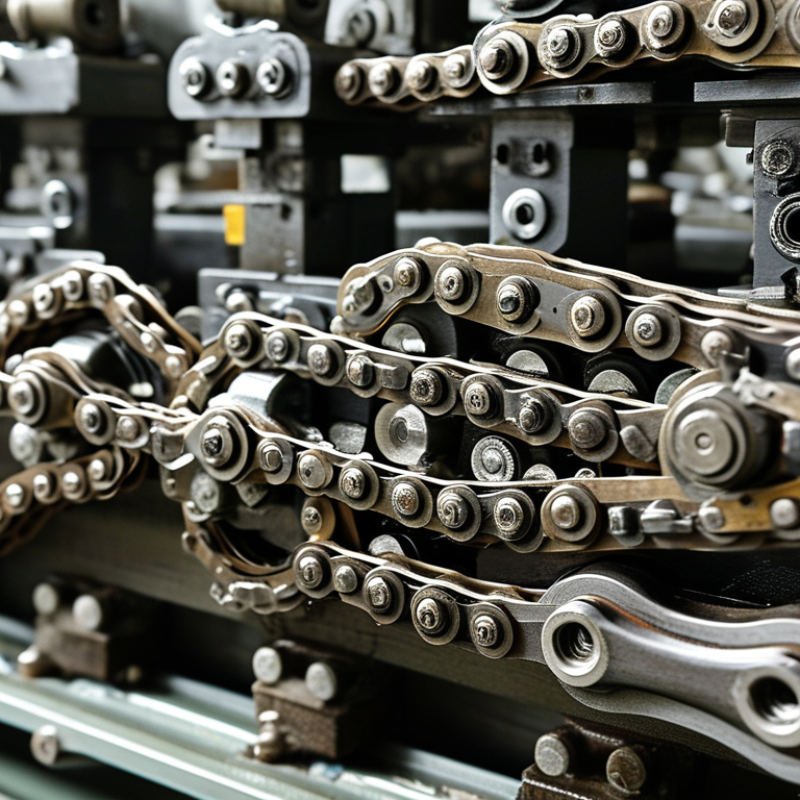
Industrial chain drive systems are crucial in various sectors, including manufacturing and automotive industries. These systems comprise several essential components. The primary parts include the chain itself, sprockets, and an axle. Chains are typically made of metal links, designed to withstand significant stress. Sprockets are toothed wheels that engage with the chain, ensuring proper movement. The axle, meanwhile, supports the entire assembly and provides a stable base for the system’s operations.

The chain's design varies, depending on its application. Roller chains are common in industrial machines, while block chains are often found in elevators. Each type of chain presents unique strengths and weaknesses, requiring careful selection based on operational needs. Maintenance plays a critical role in ensuring reliability. Regular inspections help identify wear and tear, preventing potential failures. Not every system functions perfectly, as misalignment can lead to excessive wear and noise. Understanding these components deeply allows engineers to optimize configurations, improving overall efficiency.


Types of Chain Drives Used in Industrial Applications

Chain drives are essential in various industrial applications, providing reliable power transmission for different machinery. They are commonly used in sectors like manufacturing, mining, and agriculture. Chain drives can handle high loads and maintain efficiency over long distances. Understanding the types of chain drives can help in selecting the right one for specific needs.

There are several types of chain drives, each tailored for unique applications. The roller chain drive is the most widely used, known for its versatility and strength. It consists of links that move freely over sprockets, ensuring smooth operation. On the other hand, silent chains are designed for quieter operation, making them ideal for environments where noise reduction is crucial. They can also transmit power at high speeds with less vibration.

Lastly, block chains offer a robust solution for heavy-duty applications. They feature larger links that can withstand extreme conditions and heavy loads. However, these chains may require more maintenance and careful installation. Each type of chain drive has its own advantages and limitations, making it essential to consider environmental factors and specific use cases before making a choice.

What is Industrial Chain Drive and How Does it Work? - Types of Chain Drives Used in Industrial Applications

Chain Drive Type Application Advantages Disadvantages
Roller Chain Conveyor Systems, Robotics High strength, Durability Requires regular lubrication
Silent Chain Automotive Engines, Timing Drives Reduced noise, Compact design Higher cost
Block Chain Elevators, Heavy Machinery Strong load capacity Heavy weight
Leaf Chain Lifting Equipment, Forklifts Lightweight, Flexibility Limited speed
Sprocket Chain Bicycles, Motorcycles Efficiency, Low wear Slippage at high tension

Principles of Operation for Chain Drives in Machinery

Chain drives are fundamental in machinery, converting rotary motion into linear movement. They operate on a simple principle: a chain transfers power between two sprockets, engaging teeth to create traction. This synchronization results in reliable and efficient power transmission. The ability to handle high loads makes chain drives ideal for heavy-duty applications.

For optimal performance, ensure proper chain tension. A loose chain can slip off, while a tight one may wear prematurely. Regularly lubricate chains to minimize friction. This maintenance enhances lifespan and efficiency.

Inspecting chain links for wear is crucial. Damaged links can compromise the entire system. When replacing chains, ensure they match the sprocket size. Mismatched components lead to inefficient operation and faster wear. Keep an eye out for unusual noises during operation; these often indicate underlying issues.

Advantages and Disadvantages of Industrial Chain Drives

Industrial chain drives are mechanical systems used in various applications. They transfer power between shafts using a series of linked chains. These drives are widely used in manufacturing and heavy machinery due to their unique advantages and disadvantages.

One significant advantage of industrial chain drives is their ability to transmit high torque. This makes them suitable for heavy-duty applications. They are also more durable compared to belts. Chains can withstand extreme conditions, including dirt and high temperatures. Maintenance is relatively straightforward, yet it can be overlooked. Regular lubrication is vital for optimal performance.

On the downside, chain drives can be noisy during operation. This noise can be a concern in environments requiring quiet. They are also susceptible to wear and require periodic replacements. If not maintained properly, they can suffer from stretching, leading to inefficiency.

Tip: Monitor the chain tension regularly and adjust as needed. Proper adjustments can extend the lifespan of the drive. Regular checks can prevent costly replacements down the line. Keep in mind that while chain drives are efficient, they require commitment to maintenance for best performance.

Applications of Industrial Chain Drives Across Different Industries

Industrial chain drives are crucial across various sectors. They provide efficient power transmission, ensuring operational reliability. In manufacturing, for instance, these drives can reduce downtime. According to a report by MarketsandMarkets, the industrial chain drive market is projected to reach $20 billion by 2025. This growth highlights their significance in sectors like automotive and material handling.

In the automotive industry, chain drives are essential for transferring power to vital components. They ensure precise synchronization of engine parts. In material handling, these drives help in transporting goods safely and efficiently. Their adaptability allows them to be tailored for unique applications. Additionally, the mining industry leverages chain drives for reliable equipment operation under extreme conditions.

Tip: Regular maintenance of industrial chain drives is vital. It helps avoid unforeseen breakdowns and increases lifespan. Always monitor tension and lubrication levels.

In the food processing sector, chain drives ensure the efficient transport of products along assembly lines. They withstand harsh conditions, ensuring cleanliness and reliability. However, improper installation can lead to significant operational issues. It's crucial to involve experts during setup to avoid costly mistakes.

Applications of Industrial Chain Drives Across Different Industries