Why Choose Intelligent Forklifts at the 2026 Canton Fair?
The 2026 Canton Fair presents a unique opportunity to explore the benefits of Intelligent Forklift-Chinese technology. This event, scheduled from April 15 to May 5, showcases advances in manufacturing and machinery. The introduction of AI intelligent search and navigation features will enhance the overall experience for buyers.
Intelligent forklifts stand out for their efficiency. They optimize logistics, reducing time spent in moving goods. However, challenges in integration with existing systems remain. Adapting to new technologies can be daunting for many businesses. Despite these challenges, the potential for increased productivity is compelling.
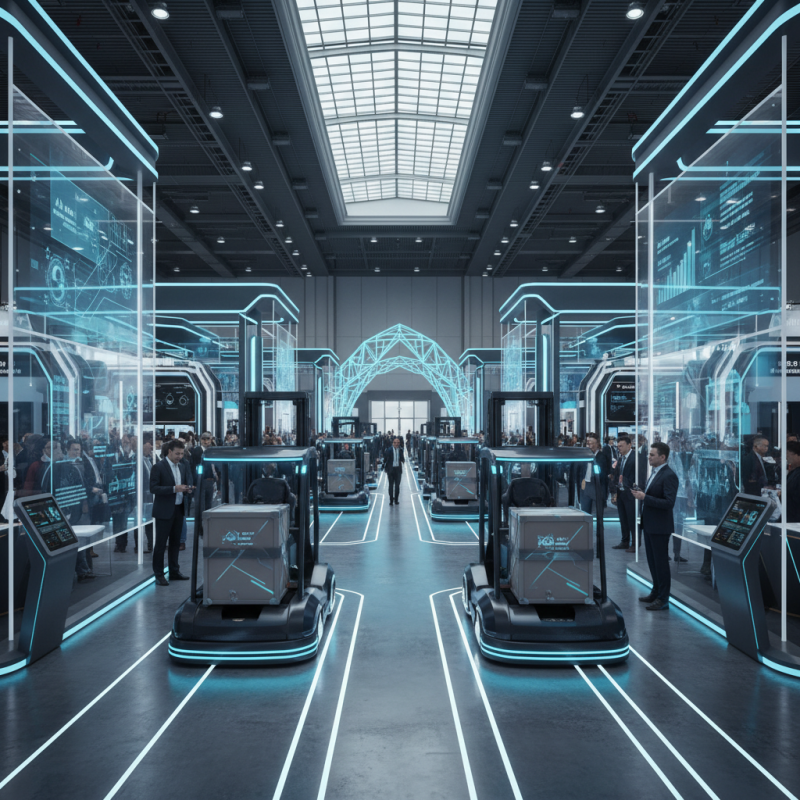
The fair offers insights into the latest innovations in intelligent forklifts. Attendees can witness firsthand their capabilities in a vast exhibition space of 1.55 million square meters. With precise path planning and supplier filtering by AI, the immersive experience promises to redefine operational strategies. Embracing these advancements may lead to more efficient supply chains worldwide.
Benefits of Intelligent Forklifts for Modern Warehousing Needs
Intelligent forklifts are redefining the landscape of modern warehousing. In today's fast-paced environment, these machines offer significant advantages. According to recent industry reports, efficiency in warehousing operations can increase by up to 30% when using intelligent forklifts. These machines leverage advanced technologies, such as AI and automation, to optimize material handling. This leads to reduced labor costs and improved safety.
A survey from the Warehousing Association noted that over 70% of warehouses face productivity challenges. Intelligent forklifts address these issues effectively. They can navigate complex environments and assist in inventory management. This means fewer errors and a streamlined workflow. However, not all facilities are ready to adopt these innovations. Some may face initial resistance or challenges in integration.
Tips: Consider starting with a pilot program. Test intelligent forklifts in a controlled section of your warehouse. Monitor performance closely. It’s also crucial to invest in training your staff. A well-informed team can maximize the benefits of these advanced machines. Remember to weigh the costs against potential long-term gains. Reflection can reveal if your facility truly is ready for this shift.
Why Choose Intelligent Forklifts at the 2026 Canton Fair? - Benefits of Intelligent Forklifts for Modern Warehousing Needs
| Feature | Description | Benefits |
| Automation | Intelligent forklifts can operate autonomously using advanced sensors and AI. | Increased efficiency and reduced labor costs. |
| Real-time Data | Provides live updates on inventory levels and location. | Improved decision-making and inventory management. |
| Safety Features | Includes advanced safety protocols like collision detection. | Reduces workplace accidents and enhances employee safety. |
| Energy Efficiency | Utilizes electric power and regenerative braking techniques. | Lower operational costs and reduced carbon footprint. |
| Scalability | Can be adapted to various warehouse sizes and needs. | Flexible growth as business demands increase. |
Key Features of Intelligent Forklifts to Enhance Efficiency
Intelligent forklifts are revolutionizing the logistics industry. At the 2026 Canton Fair, businesses can explore various advanced features. These innovations boost efficiency and productivity on the warehouse floor.
One standout feature is automation. Intelligent forklifts can navigate through narrow aisles and crowded spaces. They use sensors to detect obstacles, reducing the risk of accidents. However, there are challenges. Training staff to operate these advanced machines is essential. Without proper training, the benefits may not be fully realized.
Data analytics is another key feature. These forklifts collect data on performance metrics. This information can identify inefficiencies and areas for improvement. Yet, relying solely on technology may overlook human intuition. Balancing tech with human oversight ensures optimal operations. As companies explore these intelligent solutions, they must consider both their advantages and limitations.
Comparison of Traditional vs. Intelligent Forklifts in Industry
Intelligent forklifts are revolutionizing the industry. They utilize advanced sensors and automation to enhance productivity. These machines can navigate complex environments with ease. Operators benefit from reduced physical strain. This makes work safer and easier.
In comparison, traditional forklifts rely heavily on human operators. They require rigorous training, increasing the risk of accidents. Maintenance of these machines can be more demanding. Performance may vary based on the operator’s experience. The efficiency of tasks often hinges on individual skill levels.
While intelligent forklifts offer numerous advantages, they are not without challenges. Initial costs can be higher, and technical issues may arise. Companies need to weigh the benefits against potential drawbacks. Transitioning from traditional to intelligent systems requires careful planning. As the industry evolves, adaptability will be key.
Innovative Technologies Driving Intelligent Forklift Development
The development of intelligent forklifts is driven by innovative technologies. These advancements include AI, automation, and IoT integration. According to a recent industry report, the global market for intelligent forklifts is projected to grow at a CAGR of 15% from 2023 to 2030. This acceleration showcases the industry's shift towards smarter operational practices.
AI enhances decision-making. Forklifts equipped with AI can analyze real-time data. For example, they can optimize routes in warehouses, increasing efficiency by up to 30%. Moreover, IoT technology enables remote monitoring. Fleet managers can track performance, prevent downtime, and reduce operational costs. However, this reliance on technology raises concerns about cybersecurity risks. Companies must stay vigilant.
Despite these advancements, the transition isn't without its challenges. Workforce training is crucial. Many operators feel overwhelmed by new systems. A study showed that 45% of companies struggle with employee adaptation to intelligent technologies. Reflection on these barriers is essential for successful implementation. Implementing intelligent forklifts is not just about technology; it’s about people too.
Impact of Intelligent Forklifts on Labor Safety and Productivity
The rise of intelligent forklifts is reshaping workplace dynamics. These advanced machines significantly enhance labor safety. They come equipped with sensors and cameras, reducing risks of accidents. Employees feel safer knowing that intelligent forklifts can spot hazards. This proactive approach helps prevent injuries on the job site.
Moreover, productivity sees a notable boost. Intelligent forklifts can operate in tighter spaces, allowing for more efficient use of warehouse areas. They work faster than traditional models, completing tasks in less time. This increase in speed is impressive, but it requires careful management. Operators must adapt to new protocols and workflows. Training employees effectively becomes crucial to maximize this technology's potential.
However, it's important to acknowledge the challenges. Some workers may resist the change, fearing job loss. Others might struggle with understanding the technology. Addressing these concerns is vital for smooth adoption. Open dialogue and consistent training can help alleviate fears. In the end, embracing intelligent forklifts may lead to a safer, more productive environment.



 Close
Close