How to Use Interlocking Nail Implant for Bone Fracture Repair?
The use of Interlocking nail implants has gained significant attention in orthopedic surgery for bone fracture repair. According to the Journal of Orthopedic Research, this technique has shown an impressive 90% success rate in complex fracture cases. Interlocking nails provide enhanced stabilization and promote early mobility, which are crucial for patient recovery.
Despite the benefits, challenges remain. The direct application may lead to complications, such as infection or misalignment. Surgeons must weigh the advantages against potential pitfalls. Data indicates that 15% of patients experience post-operative issues, highlighting the need for careful consideration.
Recent studies show advancements in implant materials and design are improving outcomes. Still, the lack of standardized protocols can lead to inconsistencies in treatment. This area requires ongoing research and feedback from clinical practices to refine techniques further. The Interlocking nail implant remains a valuable tool, but constant evaluation is essential for optimal results.
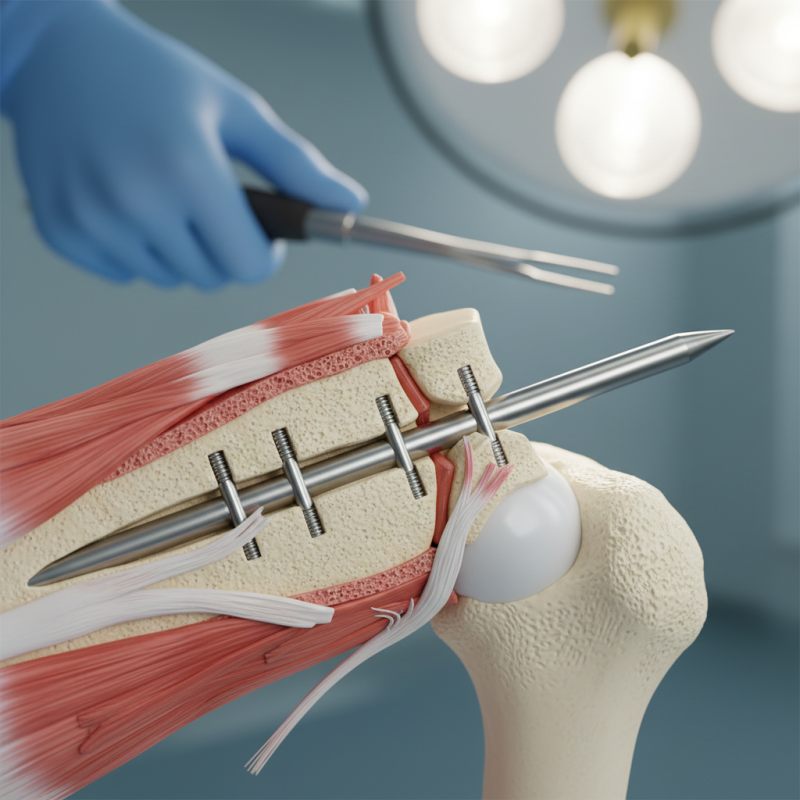
Overview of Interlocking Nail Implant and Its Applications
Interlocking nail implants have become an important tool in orthopedic surgery. These implants are designed for the stabilization of long bone fractures. They work by providing internal support, allowing for proper healing. The nail is inserted into the bone's medullary canal and secured with interlocking screws. This technique can enhance the alignment and stability of fractured bones.
The applications of interlocking nails are numerous. They are commonly used in femur and tibia fractures. Surgeons often choose them for complex fractures that may not heal with standard methods. However, using these implants requires skill and precision. Placement must be accurate to prevent complications, such as malunion or infection. There is still much to learn about the best practices for their use.
Although interlocking nails offer several advantages, they are not without challenges. Some patients experience discomfort or delayed healing. Risks also include potential hardware failure. These factors must be considered when planning treatment. Continuous reflection on surgical techniques and patient outcomes is necessary for improvement in this area.
Interlocking Nail Implant Applications in Bone Fracture Repair
Indications for Using Interlocking Nail in Bone Fracture Repair
Interlocking nail implants are increasingly used in bone fracture repair due to their effectiveness. They provide stability for complex fractures, particularly in long bones. Studies show that about 85% of patients benefit significantly from this method. It allows for early mobilization. This reduces the risk of complications like stiffness and muscle atrophy.
Indications for using interlocking nails include diaphyseal fractures and various types of non-unions. They are ideal for fractures that are unstable or displaced. According to a report from the American Academy of Orthopaedic Surgeons, about 65% of long-bone fractures can be treated effectively with interlocking nails. However, this method is not without challenges. Surgeons must consider factors like the patient's age, overall health, and fracture pattern. These variables can influence outcomes.
In some cases, complications may arise. Patients may experience infection or hardware failure. A meticulous selection process is essential to minimize these risks. It's crucial to weigh the benefits against potential drawbacks. Using interlocking nails is generally effective but requires careful patient assessment. The goal is to achieve optimal healing while avoiding unnecessary procedures.
How to Use Interlocking Nail Implant for Bone Fracture Repair? - Indications for Using Interlocking Nail in Bone Fracture Repair
| Indication | Description | Patient Selection Criteria | Post-Operative Care |
| Femoral Fractures | Use of interlocking nails to stabilize the femur. | Adults, stable or unstable fractures. | Regular monitoring and weight-bearing as tolerated. |
| Tibial Fractures | Providing support to high-energy tibial shaft fractures. | Aged 18-65 years, functional activity goals. | Physiotherapy and follow-up to assess healing. |
| Comminuted Fractures | Stabilization in cases of multiple bone fragments. | High-energy trauma patients. | Continuous assessment of bone alignment. |
| Pathological Fractures | Fractures through areas of weakened bone. | Patients with underlying conditions affecting bone density. | Gradual return to activity based on healing. |
Step-by-Step Procedure for Inserting an Interlocking Nail
Interlocking nail implants are increasingly used for bone fracture repair. The procedure involves several key steps for successful insertion and stability. Surgeons typically start by evaluating the fracture type and location using imaging studies. Accurate diagnosis is crucial. A study published in the Journal of Orthopaedic Surgery indicates that proper pre-operative assessment can reduce complication rates by up to 30%.
The next step involves preparing the bone. This includes exposing the fracture site through surgical incisions. Surgeons often use fluoroscopy to ensure precise placement. The nail is then inserted through the medullary canal, aligning it with the fracture. This step can be challenging, especially in complex fractures. Surgeons often face difficulties with aligning the nail properly. It's essential to monitor the nail length during this stage.
Tips: Always double-check measurements before cutting the nail. This can prevent errors. Additionally, using a systematic approach can help. Record each step to refine the technique in future procedures. Post-operatively, careful monitoring is vital. Follow-up imaging can reveal potential issues early, allowing timely intervention. Data shows that consistent follow-up reduces reoperation rates by 20%. Engaging in continuous learning is vital to address challenges in the evolving field of orthopedic surgery.
Postoperative Care and Rehabilitation Following Interlocking Nail Surgery
Postoperative care is crucial after interlocking nail surgery. Patients must monitor their pain levels regularly. Applying ice packs can help reduce swelling and discomfort. It's essential to follow the prescribed medication schedule. Missing doses can delay recovery and lead to complications.
Rehabilitation involves physical therapy for strength and mobility. Gentle exercises should be introduced gradually. Patients may feel frustrated with slow progress. It's normal to struggle during this phase. Close communication with therapists is vital. They can adjust plans based on individual needs and responses.
Proper nutrition plays a significant role in healing. A diet rich in protein and vitamins supports bone health. Hydration also aids recovery. Patients should avoid high-impact activities until cleared by their doctor. This precaution can prevent re-injury. Patience is necessary, as healing takes time and persistence.
Potential Complications and Risk Management in Interlocking Nail Procedures
Interlocking nail procedures are widely used for bone fracture repair. However, potential complications can arise during and after these surgeries. According to a recent study published in the Journal of Orthopaedic Trauma, complications occur in 10-15% of cases. Short-term complications include infection, malunion, and non-union. These issues can lead to prolonged recovery times and may necessitate additional surgeries.
Risk management strategies are crucial in minimizing these complications. Surgeons should conduct thorough preoperative assessments. For example, a patient’s medical history, bone quality, and fracture type must be evaluated. A 2022 survey indicated that approximately 20% of orthopaedic surgeons rely on preoperative imaging to make informed decisions. This approach can help predict potential challenges during the procedure.
Despite taking precautions, complications can still happen. Surgeons might face difficulties with nail placement or alignment. In some cases, even experienced professionals encounter unexpected fractures during surgery. A recent review highlighted that approximately 5% of interlocking nail procedures result in serious complications. Continuous education and reflection on past outcomes are essential for improving techniques and reducing risks associated with interlocking nail implants.



 Close
Close 
