Top 10 Low Noise Axial Fans for Efficient Cooling Solutions?
In the quest for efficient cooling solutions, the importance of selecting the right equipment cannot be overstated. Low Noise Axial Fans have become a focal point for both industrial and residential applications. These fans provide the necessary airflow while minimizing sound levels, making them ideal for various environments.
When evaluating the best options in the market, factors such as airflow efficiency, durability, and noise level must be considered. Each Low Noise Axial Fan offers unique advantages tailored to specific needs. However, not all fans perform as advertised. Practical experiences reveal that subtle differences in design can significantly impact performance.
Understanding the nuances of Low Noise Axial Fans allows users to make informed decisions. It's essential to balance the desire for quiet operation with the required cooling efficiency. As the technology evolves, staying updated on the latest models can lead to discovering exceptional finds. Over time, continuous research and user feedback shape the best practices in selecting these fans, confirming their vital role in modern cooling solutions.
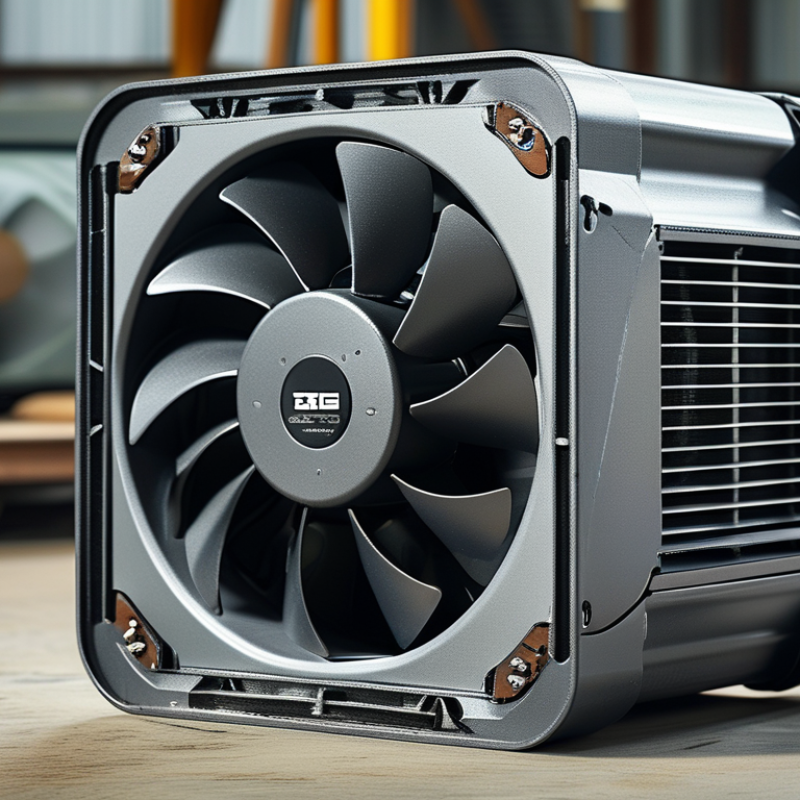
Overview of Low Noise Axial Fans and Their Applications
Low noise axial fans are essential components in various applications, from industrial settings to residential environments. These fans utilize blades that rotate around an axis, creating airflow with minimal sound. This attribute makes them suitable for places where noise reduction is critical, such as offices, libraries, and hospitals. Efficient cooling solutions require low noise levels, particularly in sensitive environments where distractions must be minimized.
In many cases, the materials and design of these fans significantly contribute to their performance. For example, advanced materials can reduce vibrations, which in turn lessens noise. Precision-engineered blades can optimize airflow while maintaining a quiet operation. However, it is crucial to adjust fan speed and orientation for the most effective cooling. Sometimes, users underestimate the importance of proper installation. A fan installed incorrectly may lead to greater noise levels and reduced efficiency.
There is also a gap in understanding the specific needs of different applications. Not all settings require the same type of cooling solution. Users must evaluate their environments to select the right fan effectively. Carefully considering the size, capacity, and noise level can lead to better outcomes. While innovation in fan technology continues, awareness of user requirements remains a challenge. This aspect requires ongoing reflection for efficiency and effectiveness in cooling solutions.
Top 10 Low Noise Axial Fans for Efficient Cooling Solutions
| Model | Airflow (CFM) | Noise Level (dB) | Power Consumption (W) | Application |
| Model A | 250 | 28 | 20 | Computer Cooling |
| Model B | 300 | 30 | 25 | HVAC Systems |
| Model C | 350 | 32 | 22 | Industrial Cooling |
| Model D | 220 | 25 | 18 | Home Applications |
| Model E | 270 | 26 | 21 | Server Rooms |
| Model F | 400 | 34 | 30 | Data Centers |
| Model G | 310 | 29 | 27 | Telecommunications |
| Model H | 240 | 24 | 19 | Medical Equipment |
| Model I | 320 | 33 | 29 | Laboratory Cooling |
| Model J | 280 | 27 | 23 | Commercial Spaces |
Key Features to Consider When Choosing Low Noise Axial Fans
When selecting low noise axial fans, several key features demand attention. Efficiency is paramount. According to recent studies, axial fans can achieve an energy efficiency of up to 78%. This makes them suitable for varied applications. Look for models that provide high airflow rates while maintaining a low noise level. Noise ratings under 30 dBA are considered ideal for quiet environments, such as offices or residential areas.
Another factor to consider is the material and design of the fan blades. Research indicates that composite materials can help reduce vibration and noise, enhancing overall performance. Blade pitch also plays a crucial role; an optimal design can maximize airflow, leading to improved thermal management. Additionally, pay attention to the fan's maintenance requirements. Some designs necessitate regular upkeep, while others are more durable and low maintenance. It's essential to evaluate these factors based on your specific needs and environment.
Top 10 Axial Fans: Performance Comparison and Efficiency Ratings
Axial fans are essential for efficient cooling in various applications. They move air through rotating blades aligned with the airflow direction. This design allows for high airflow and low noise levels. When choosing an axial fan, performance and efficiency are top considerations.
Several models provide varying performance ratings. High-efficiency fans typically have lower energy consumption and longer lifespans. On the other hand, some low-noise options may sacrifice airflow for quieter operation. Finding the right balance can be challenging.
**Tips:** Consider the environment where the fan will be used. For sensitive areas, prioritize quiet operation. Ensure proper sizing to prevent overheating. Regular maintenance is essential; clean blades for improved performance. Over time, small issues can lead to inefficiencies. Always reflect on whether your current fan meets your needs.
Top 10 Low Noise Axial Fans Performance Comparison
Innovative Technologies Behind Low Noise Axial Fan Design
The quiet performance of axial fans hinges on innovative technologies that optimize airflow while reducing noise. Engineers prioritize blade design to enhance efficiency. The shape and angle of blades can minimize turbulence, which directly contributes to noise reduction. A well-designed blade can create a smoother airflow, leading to quieter operation. Additionally, computational fluid dynamics (CFD) simulations allow designers to test fan configurations before physical prototypes.
Noise reduction also comes from motor advancements. Brushless DC motors enhance efficiency and reduce vibration. These motors operate silently compared to traditional designs. Incorporating advanced bearings minimizes friction, leading to both longer life and quieter performance. However, finding the perfect balance between power and silence remains a challenge. Sometimes, fans may produce an unexpected hum at specific speeds, which can be frustrating.
In pursuing low noise, manufacturers face compromises. While focusing on quieter operations, some fans may sacrifice airflow efficiency. Identifying these trade-offs is crucial for consumers. Understanding how technology influences performance helps in making informed choices. It's essential to consider specific cooling needs and noise tolerances when selecting a fan. The journey toward the ideal low-noise axial fan is ongoing, with room for improvement in design and technology.
Maintenance Tips for Prolonging the Life of Axial Fans
Axial fans are essential for efficient cooling in various applications. Regular maintenance can significantly extend their lifespan and enhance performance. According to a report by the International Association of Engineers, proper upkeep can increase fan efficiency by up to 30%. Simple tasks like cleaning dust off blades and ensuring proper lubrication are vital. Dirt buildup can reduce airflow and increase noise levels.
Monitoring fan vibration is crucial. Excessive vibrations can indicate misalignment or wear. Detecting issues early can prevent costly repairs. A study from the American Society of Mechanical Engineers highlights that regular checks can reduce unexpected failures by 50%. Ensure that the fan operates within its recommended temperature range. Overheating can lead to motor failure and subsequent downtime.
Additionally, periodically inspecting electrical connections is critical. Loose connections can cause short circuits, which may lead to accidents. Keeping a maintenance log can help track performance and identify trends. Failing to address minor issues can result in major problems later. Establishing a routine maintenance schedule promotes reliability and efficiency. Neglecting these practices often leads to decreased performance and increased operational costs.



 Close
Close 
