Microinverter Solar Off Grid Systems Benefits and Challenges?
The rise of microinverter solar off grid systems presents both opportunities and challenges. These systems provide energy independence to users, especially in remote areas. With a microinverter, each solar panel operates independently, improving efficiency in varying sunlight conditions. This technology allows for better performance and energy output, even when some panels are shaded.
However, integrating microinverter solar off grid solutions comes with its own set of hurdles. They can be more expensive than traditional inverters, raising concerns for budget-conscious consumers. The installation process can also be complex, requiring skilled labor. Additionally, there is the question of reliability in extreme weather conditions. It's essential for users to weigh these factors carefully.
On one hand, microinverter solar off grid systems enhance energy production. On the other hand, the initial costs and maintenance must be considered. As the technology evolves, finding a balance between benefits and challenges becomes crucial for potential users. Making an informed choice is key in this rapidly changing landscape.
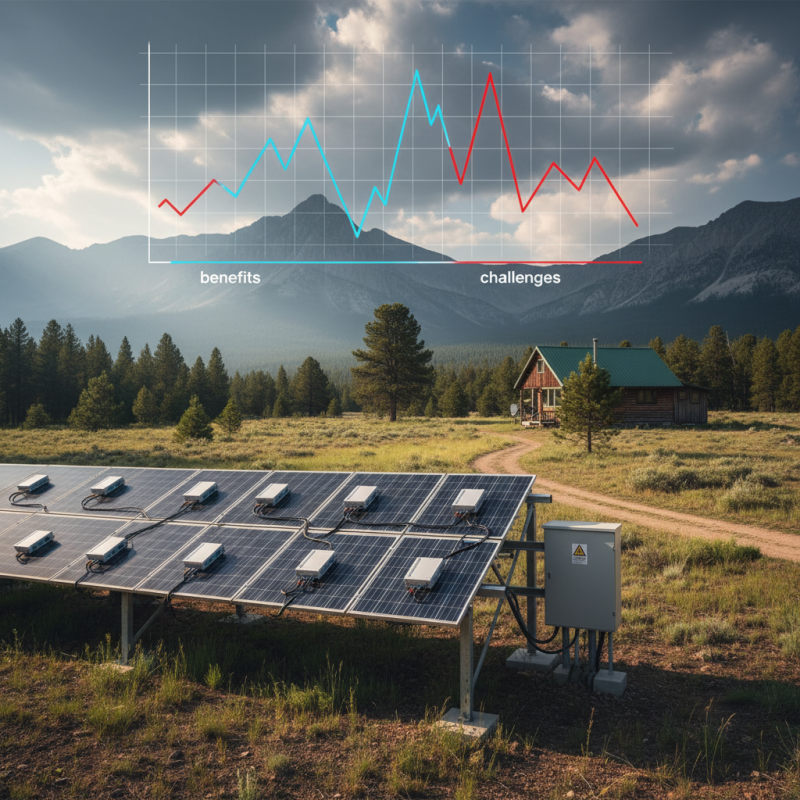
Overview of Microinverter Solar Off Grid Systems
Microinverter solar off-grid systems are gaining popularity. These systems convert the energy generated by solar panels into usable electricity. Unlike traditional inverters, microinverters work on a panel level. This allows for increased efficiency, especially in shaded or partially obstructed areas.
When setting up these systems, consider some key points. Choosing the right size is crucial. Oversizing may lead to wasted energy. Proper placement of solar panels can enhance performance. Sunlight exposure varies throughout the day. Understanding this can aid installation.
Tips: Check local sunlight conditions before installation. This ensures you maximize energy capture. Regular maintenance is also essential. Cleaning the panels keeps them efficient. Pay attention to system performance. Issues may arise that require your attention. Engaging with community forums can provide insights and shared experiences.
Microinverter Solar Off Grid Systems Benefits and Challenges
| Dimension | Details |
| Efficiency | Higher energy conversion rates compared to traditional inverters, maximizing solar output. |
| Installation | Easier and quicker installation as they are mounted directly on each solar panel. |
| System Monitoring | Allows for real-time monitoring of individual panel performance, troubleshooting issues quickly. |
| Scalability | Easily expandable; additional panels can be added without significant redesign. |
| Cost | Higher upfront costs compared to string inverters; overall ROI may vary based on usage. |
| Durability | Designed to withstand harsh environments; longevity can be a concern if not properly rated. |
| Maintenance | Generally low maintenance; remote diagnostics can help in early issue detection. |
| Grid Independence | Ideal for off-grid applications, providing energy independence without reliance on traditional power sources. |
Advantages of Microinverters in Off Grid Solar Applications
Microinverters are gaining popularity in off-grid solar applications. These devices convert DC power from solar panels to AC power. One key advantage is increased energy production. Unlike string inverters, microinverters operate independently. If one panel is shaded, others continue to perform efficiently. According to a report from the National Renewable Energy Laboratory, microinverters can boost energy harvest by 10-25%.
Another benefit is enhanced monitoring capabilities. Users can track the performance of each panel individually. This transparency allows for quicker troubleshooting. Maintenance becomes more straightforward, reducing downtime. A study by the Solar Energy Industries Association showed that homeowners appreciate this feature.
Tips: Regularly check your system. Keep an eye on panel performance. Small issues can lead to significant losses over time.
However, there are challenges to consider. Microinverters may have a higher upfront cost. Their lifespan might be shorter than that of traditional inverters. Users should weigh these factors carefully. Balancing the initial investment with long-term benefits is crucial. Overall, microinverters offer unique advantages that can enhance off-grid solar systems, but they are not without their complexities.
Challenges and Limitations of Microinverter Systems
Microinverter systems have gained popularity in solar energy solutions, especially for off-grid setups. However, they come with challenges. One significant limitation is their higher initial cost compared to traditional inverters. Reports show that microinverter systems can be 20-30% more expensive. While they offer individual panel optimization, this premium might deter budget-conscious consumers.
Another concern is their reliability. Microinverters are more complex, with more components than centralized systems. This complexity can lead to higher failure rates, impacting system performance. A study indicated that failure rates for microinverters could reach 5-10%, necessitating increased maintenance and potential downtime. Additionally, the technology’s long-term durability remains debated, as some installations reported issues within the first few years.
Tip: Consider maintenance costs before deployment. Balancing initial costs with long-term expenses is crucial for proper budgeting.
Environmental factors can also be a challenge. Microinverters must be robust to withstand different weather conditions. They can be more vulnerable to extreme temperatures and moisture. It's vital to analyze regional climates before making a decision. This step helps in preventing premature wear and tear.
Tip: Regularly assess the system's performance. Identifying issues early on can save time and resources later.
Comparative Analysis of Microinverters vs. Traditional Inverters
Microinverters offer distinct advantages over traditional string inverters. They maximize energy production by optimizing each solar panel's output individually. According to a recent report by the National Renewable Energy Laboratory, microinverters can increase energy harvest by up to 20%. This benefit is especially vital in shaded installations, where performance can drop significantly with traditional inverters.
However, some challenges exist. Microinverters are generally more expensive upfront than their traditional counterparts. Installation can also be more complex due to the increased component count. Maintenance might require specialized knowledge, which can deter some homeowners.
Tip: To avoid high costs, consider the project size. Smaller systems might benefit more from microinverters, while larger setups might be better served using traditional options.
As technology evolves, microinverters are gaining traction for future adaptations. They are more compatible with smart grid technology. Yet, consumers should weigh their options. Understanding the specifics of your installation can greatly influence the decision.
Tip: Conduct a site assessment. Evaluate shading, roof orientation, and energy needs. This information helps in making the right choice.
Future Trends in Microinverter Technology for Off Grid Systems
The future of microinverter technology for off-grid systems looks promising yet complex. According to a recent report by the International Renewable Energy Agency (IRENA), microinverters can boost energy efficiency by 20% compared to traditional inverters. This is significant in off-grid applications, where maximizing energy output is crucial. Microinverters allow for module-level monitoring, which enhances overall system performance. This technology can adapt quickly to shading and varying environmental conditions, optimizing energy harvest.
However, there are challenges to consider. The initial investment for microinverter systems can be higher. Data from the Solar Energy Industries Association (SEIA) indicates that while installation costs for systems using microinverters are rising, they lead to lower maintenance costs over time. This shift requires careful budgeting and long-term planning. Also, as the market evolves, interoperability among different manufacturers can cause potential compatibility issues. Thus, ongoing research is critical to address integration problems and improve standardization.
Innovations such as smart grid technology and energy storage are the next steps in microinverter evolution. Reports suggest that integrating smart algorithms can further enhance efficiency. However, reliance on technology brings its own set of uncertainties. Stakeholders must remain vigilant and adaptive as new methods and tools emerge. This proactive approach will ensure that off-grid systems using microinverters can meet future energy demands effectively.


 Close
Close