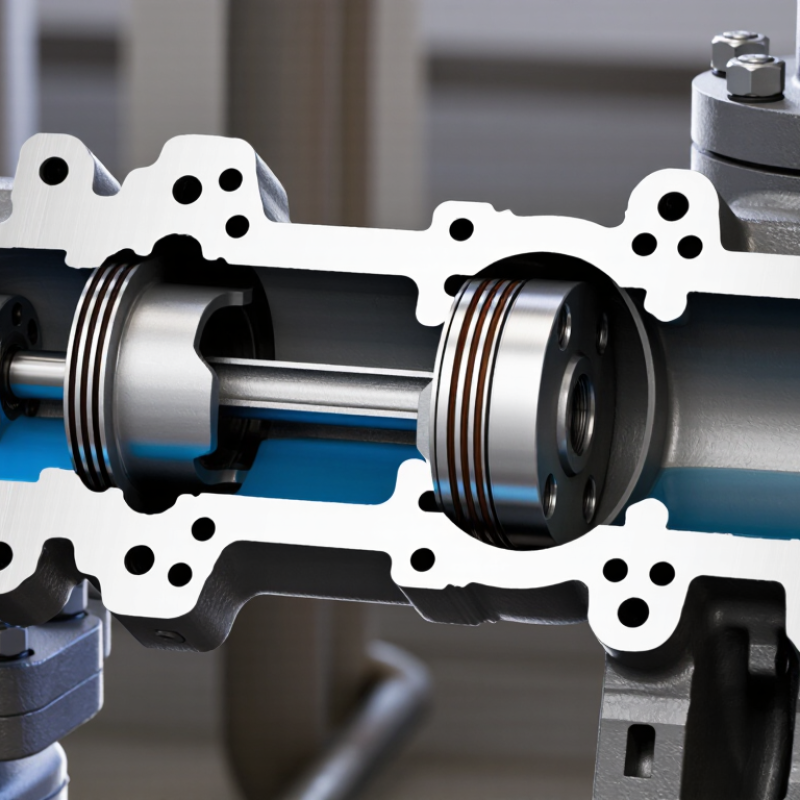
| Purpose | A mud pump piston reciprocates inside the cylinder liner. Its sealing element helps separate the pressure side from the suction side, allowing the pump to move drilling fluid. | Check for leakage, reduced discharge performance, or abnormal pressure fluctuations during operation. |
| Main parts | Depending on the design, an assembly may include a piston body or core, an elastomer sealing element, and retaining or fastening components. | Confirm that parts are correctly assembled and compatible with the pump, liner, and operating fluid. |
| How it works | As the piston moves through the liner, the pump’s suction and discharge valves direct fluid into and out of the cylinder. The piston seal limits fluid bypass along the liner wall. | When performance changes, assess the piston together with the liner, valves, and other fluid-end components. |
| Common wear signs | Cuts, cracks, chunking, swelling, hardening, uneven wear, or a worn sealing surface can reduce sealing effectiveness. Fluid bypass may also appear as abnormal leakage or reduced pump output. | Inspect the full circumference of the sealing element and look for damage, deformation, and uneven contact patterns. |
| Possible causes | Abrasive solids, unsuitable fluid or temperature conditions, poor lubrication or cooling, incorrect assembly, and a worn or damaged liner can contribute to premature wear. | Look for related conditions rather than replacing the piston alone; check fluid properties, liner condition, and installation details. |
| Routine inspection | Inspection frequency depends on operating conditions, fluid abrasiveness, and the pump maintenance plan. | Check during scheduled maintenance and whenever leakage, pressure instability, or a drop in output is observed. Follow the pump and component manufacturer’s inspection limits. |
| Liner inspection | The liner provides the running surface for the piston seal. Scoring, corrosion, cracks, or out-of-tolerance wear can damage a replacement piston. | Inspect and measure the liner using the applicable maintenance procedure. Replace or service it if it fails the specified limits. |
| Replacement decision | A piston should be replaced when its sealing element is damaged, its dimensions or condition exceed applicable limits, or it cannot maintain reliable sealing. | Use the specified piston type and size. Do not rely on a universal wear measurement or service life; allowable limits vary by design and application. |
| Safe replacement | The fluid end can contain hazardous pressure and fluid. Maintenance must be performed by trained personnel using the site’s approved procedure. | Stop and isolate the pump, lock out energy sources, verify zero pressure, and follow the correct disassembly and reassembly procedure before removing the piston. |
| After installation | Incorrect fit, alignment, or fastening can cause rapid wear or leakage. | Verify assembly and clearances against the applicable service instructions. Restart according to site procedures and monitor for leaks, unusual noise, vibration, and stable pump performance. |



 Close