What is Nichrome Flat Wire and Its Applications?
Nichrome Flat Wire is an essential material in various industries, known for its excellent resistance to high temperatures and corrosion. According to industry expert Dr. Linda Harrington, "Nichrome Flat Wire offers unmatched durability in high-temperature applications." This statement highlights its significance in sectors requiring reliability and performance.
In heating elements, Nichrome Flat Wire is widely used, making it a staple in electric heaters and toasters. The ability to withstand heat without degradation ensures long-lasting usage, making it a preferred choice in manufacturing. Moreover, its unique properties enable efficient energy transfer, which is crucial in various technological applications.
Applications extend beyond household items. Nichrome Flat Wire is utilized in scientific equipment and specialized industrial processes. Its versatility makes it an invaluable material for engineers and designers. However, the challenge lies in sourcing high-quality Nichrome Flat Wire consistent in performance. As the demand grows, maintaining strict quality control becomes vital to meet industry standards.
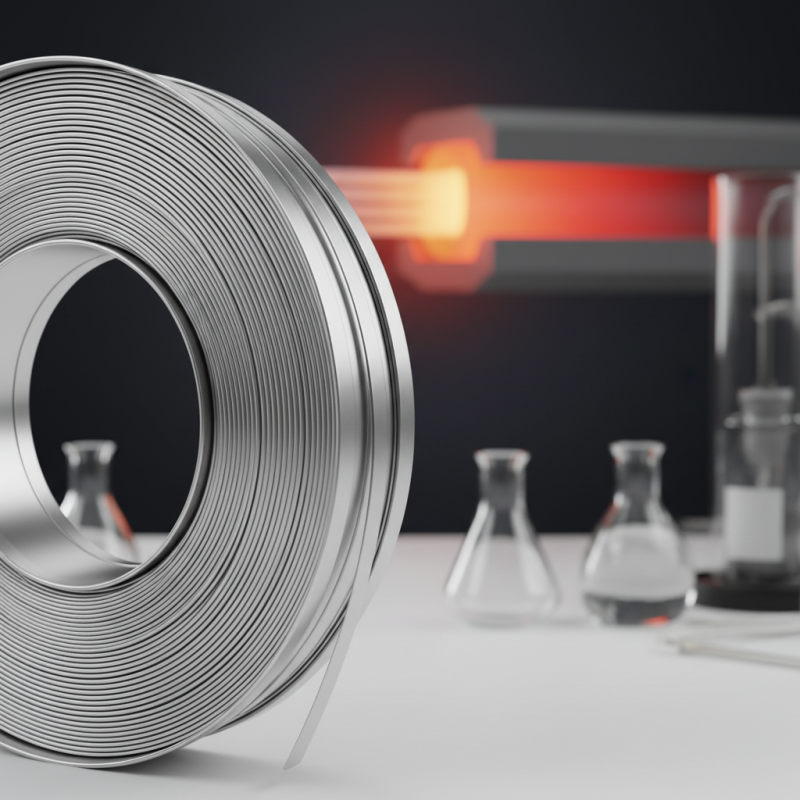
Understanding Nichrome Flat Wire: Composition and Properties
Nichrome flat wire is a unique alloy primarily composed of nickel and chromium. This specific blend offers remarkable resistance to oxidation and heat. Nichrome is often used in high-temperature applications due to its ability to withstand intense conditions.
In addition to its heat resistance, nichrome flat wire displays excellent electrical resistance. This makes it suitable for use in various heating elements, such as toasters and hairdryers. The wire’s flat design allows for even heating across surfaces, which is crucial for many applications.
Despite its advantages, nichrome flat wire can be challenging to work with. Its toughness may require specialized tools for cutting and shaping. Not every technician is familiar with its properties, limiting its use in some fields. Understanding these nuances is key for optimal performance in specific applications. Proper training and knowledge about nichrome can enhance its effectiveness and reliability.
Manufacturing Process of Nichrome Flat Wire
Nichrome flat wire is widely used due to its unique properties. The manufacturing process of this wire is quite intricate, ensuring high-quality output. First, raw materials are carefully selected. Commonly, nickel and chromium are combined in precise proportions. This step is crucial as it sets the foundation for the wire's resistance and durability.
The melting process follows the blending. The materials are heated in a furnace until they liquefy. This stage must be monitored to prevent impurities from forming. After melting, the liquid alloy is cooled and solidified into ingots. Then, these ingots undergo rolling to shape them into flat wire. The rolling process can be challenging. Thickness needs to be consistent across the entire length.
Finally, the wire is annealed to enhance flexibility. This heating process reduces brittleness after the rolling stage. However, achieving the perfect balance of strength and ductility can be tough. Some batches may not meet exact standards, resulting in product variations. Precision is critical, but achieving it isn’t always straightforward in manufacturing.
Common Applications of Nichrome Flat Wire in Industries
Nichrome flat wire is widely used in various industries due to its unique properties. This wire is primarily composed of nickel and chromium, making it an excellent choice for high-temperature applications. One of the key areas where nichrome flat wire excels is in heating elements. In appliances such as toasters and hair dryers, it provides consistent heat. Its ability to withstand extreme temperatures without melting is essential in these devices.
Another significant application is in the field of industrial furnaces. Nichrome flat wire forms the heating elements in kilns and ovens. These environments require materials that can endure prolonged exposure to intense heat. The durability of nichrome ensures that it operates efficiently over time. Additionally, its resistance to oxidation makes it suitable for use in various chemical and manufacturing processes.
In the realm of resistors and heating pads, nichrome flat wire plays a vital role. Its high electrical resistance generates heat, making it effective for applications in laboratories and production lines. However, performance can vary based on wire thickness and composition. It's essential for manufacturers to carefully consider these factors to maximize efficiency. Experimentation and adjustment may be necessary to achieve optimal results.
What is Nichrome Flat Wire and Its Applications?
| Application | Industry | Temperature Resistance (°C) | Typical Use |
| Heating Elements | Electrical | 1000 | Resistive heating in ovens and toasters |
| Thermal Shields | Aerospace | 1200 | Used in rocket engines and spacecraft |
| Welding Wire | Manufacturing | 900 | Used in high-temperature welding applications |
| Resistors | Electronics | 350 | Used in electronic devices for controlling current |
| Heating Wire | Home Appliances | 850 | For electric heaters and cooktops |
Advantages of Using Nichrome Flat Wire over Other Materials
Nichrome flat wire is renowned for its exceptional properties, making it a favored choice in various applications. One of the primary advantages of using nichrome flat wire is its impressive resistance to high temperatures. Unlike many other materials, nichrome can withstand extreme heat without losing its structural integrity. This characteristic is vital for industries that require reliability under thermal stress.
Another significant advantage lies in its conductivity. Nichrome flat wire provides a stable electrical resistance, which is crucial for heating elements. It delivers consistent performance, making it ideal for devices like toasters and heaters. This reliability stems from its ability to maintain its resistance over time, unlike some metals that deteriorate with use.
Moreover, nichrome flat wire has excellent oxidation resistance. This property ensures longevity in harsh environments, especially where exposure to air and moisture is common. Users often report that items made from nichrome last considerably longer compared to alternatives. However, working with nichrome does require specific handling techniques. The wire can be challenging to weld or solder effectively. Understanding these nuances is essential for optimal use in various applications.
Safety Considerations and Maintenance for Nichrome Flat Wire
When working with nichrome flat wire, safety is paramount. This material is often used in heating elements and resistors. Ensuring proper insulation and avoiding excessive exposure to high temperatures can prevent accidents. The heat generated can be intense, so users should always wear appropriate protective gear. Gloves and goggles are essential, especially when handling wire during installation or repairs.
Maintenance of nichrome flat wire is critical for longevity and safety. Regular inspections can identify issues like wear or corrosion. Any signs of damage should prompt immediate replacement. A poorly maintained wire can lead to overheating or breakage. Storing the wire in a dry, cool environment helps prevent deterioration. Keeping records of checks and replacements can enhance reliability and performance. It’s essential to stay vigilant and proactive to ensure safe and effective use.
Applications of Nichrome Flat Wire



 Close
Close