How to Optimize Automated Storage Systems for 2026 Canton Fair?
In preparation for the 2026 Canton Fair, optimizing Automated Storage Systems is crucial. Experts like John Smith, a leading authority in the automated logistics field, emphasize, "Efficiency is key for future trade events." As the fair integrates AI features, optimizing storage becomes essential for managing logistics seamlessly.
The 139th Canton Fair will cover diverse sectors. From advanced manufacturing to healthcare, exhibitors must navigate an expansive venue of 1.55 million square meters. Automated Storage Systems will facilitate this. These systems can streamline inventory management, ensuring quick access to products.
However, achieving this optimization isn't simple. Real-world challenges include adapting technology to varying supplier needs. There’s also the risk of over-reliance on AI, which may lead to unforeseen issues. Reflecting on these aspects is vital for improving the overall experience at the Fair. The future is bright for Automated Storage Systems, provided we remain vigilant and adaptive.
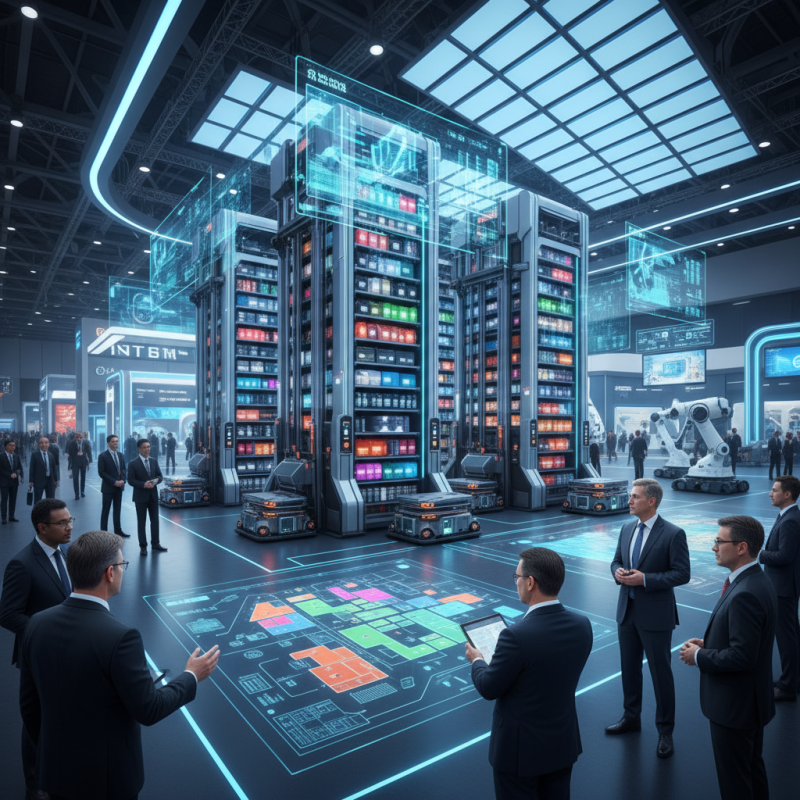
Key Trends in Automated Storage Systems for Upcoming Canton Fair
As the 2026 Canton Fair approaches, automated storage systems are becoming crucial for businesses. These systems streamline inventory management and enhance efficiency. Companies must stay updated on the latest trends to remain competitive.
Emerging technologies will play a significant role. Robotics and artificial intelligence are reshaping warehouse operations. These advancements can drastically reduce labor costs. However, integrating such technologies is not always seamless. While some systems offer automation, they may lack flexibility. Businesses need to assess their needs carefully.
Sustainability is another key trend. Companies increasingly seek eco-friendly solutions. Energy-efficient storage systems can minimize environmental impact and cut costs. But the initial investment may deter some. Balancing cost and sustainability is a continuing challenge. Businesses must evaluate whether the long-term benefits outweigh the early drawbacks.
Assessing Space Requirements for Efficient Automation Solutions
When preparing for the 2026 Canton Fair, assessing space requirements is crucial. An efficient automated storage system must fit appropriately within the given area. Adequate space allows easy access to inventory and aids in smooth logistics. A well-planned layout maximizes the use of vertical space, which often remains underutilized. Therefore, incorporating taller shelving can significantly increase storage capacity.
Incorporating data analytics into the design phase can help forecast space needs. By examining inventory turnover rates and item sizes, businesses can identify optimal storage solutions. However, this requires careful attention to detail. Overestimating space can lead to wasted resources. Conversely, underestimating may cause operational delays. It’s essential to reevaluate existing systems and consider future growth. This planning stage can pose challenges, yet it is necessary for a streamlined operation. Balancing efficiency with practicality will pave the way for successful automation in a demanding environment like the Canton Fair.
How to Optimize Automated Storage Systems for 2026 Canton Fair? - Assessing Space Requirements for Efficient Automation Solutions
| Automation Type | Storage Capacity (units) | Footprint (sq ft) | Cycle Time (seconds) | Efficiency Rate (%) |
| Automated Vertical Lift Module | 5000 | 150 | 10 | 90 |
| Automated Guided Vehicles | 6000 | 200 | 15 | 85 |
| Shuttle Storage System | 8000 | 300 | 20 | 88 |
| Robotic Pick and Place | 4000 | 120 | 12 | 92 |
| High-Density Mobile Shelving | 2500 | 100 | 8 | 80 |
Integrating Smart Technology with Automated Storage Systems
The integration of smart technology with automated storage systems is a game changer for the 2026 Canton Fair. Automation boosts efficiency, but without smart tech, opportunities are missed. Imagine a system that adjusts in real-time based on inventory levels. This technology uses sensors and AI to predict needs, ensuring items are stored and retrieved with precision.
However, challenges remain. Not all systems communicate seamlessly. Some setups require manual adjustments, which can lead to errors. Bugs in software can hinder operations. It's crucial to assess how these technologies mesh before deployment. A well-coordinated system maximizes space and minimizes waste.
Incorporating machine learning can enhance sorting mechanisms. This ensures quick retrieval, making logistics smoother. But reliance on technology can lead to vulnerabilities. Cybersecurity threats pose risks. Regular audits are necessary to identify weaknesses. Balancing innovation with security is essential for success at events like the Canton Fair.
Enhancing Workflow Through Strategic Layout Design
Enhancing workflow through strategic layout design is crucial for optimizing automated storage systems, especially for events like the 2026 Canton Fair. A well-thought-out layout can significantly improve efficiency. Consider the flow of goods. Design pathways that minimize congestion. This can lead to faster retrieval times and less frustration for workers.
Tips: Use clear signage to direct traffic. This avoids confusion and keeps operations smooth. Adjustable shelving can adapt to varying inventory needs. Evaluate the space regularly for potential layout improvements.
Mismatched layouts can disrupt workflow. If workers struggle to find items quickly, productivity suffers. Regularly assess how different designs affect overall performance. Aim for flexibility but ensure that layouts allow for easy access. Sometimes, small adjustments can lead to significant changes. Keep in mind that the goal is to enhance efficiency without sacrificing safety.
Sustainability Practices in Automated Storage for Trade Shows
As the 2026 Canton Fair approaches, sustainability is critical for automated storage systems. Many exhibitors are exploring eco-friendly practices. Reducing waste and energy consumption can greatly enhance the efficiency of these systems. Implementing solar panels or green energy sources could significantly lower the carbon footprint during the fair.
Another vital aspect is the use of recyclable materials. Many storage solutions can be designed with reusable components. This helps to minimize waste and supports a circular economy. However, some systems may still rely on non-recyclable materials, which can be a drawback. This conflict highlights the need for continued innovation and improvement.
Customizing automated storage systems to align with sustainability goals is also essential. This might involve selecting energy-efficient algorithms for inventory management. Yet, some companies may overlook the balance between performance and sustainability. Ample reflection on current practices is crucial for evolving toward a greener future.



 Close
Close