What is a Packing Machine and How Does It Work?
A Packing machine is a crucial device in modern manufacturing. It automates the process of packaging various products. This equipment enhances efficiency and reduces labor costs. In today's fast-paced market, companies rely on packing machines to maintain productivity.
Understanding how a packing machine works requires examining its components and operation. These machines can handle diverse materials, from boxes to shrink wrap. They offer precision in packaging, delivering consistent results. However, not all packing machines are the same. Each type serves specific needs, and choosing the right one can be challenging.
Despite their advantages, packing machines are not perfect. Machinery can malfunction, leading to production delays. Companies must ensure regular maintenance to avoid breakdowns. Adopting new packing technology involves training and adaptation. This process may be slow and requires ongoing evaluation. Understanding these aspects can lead to better decision-making in packaging operations.
What is a Packing Machine?
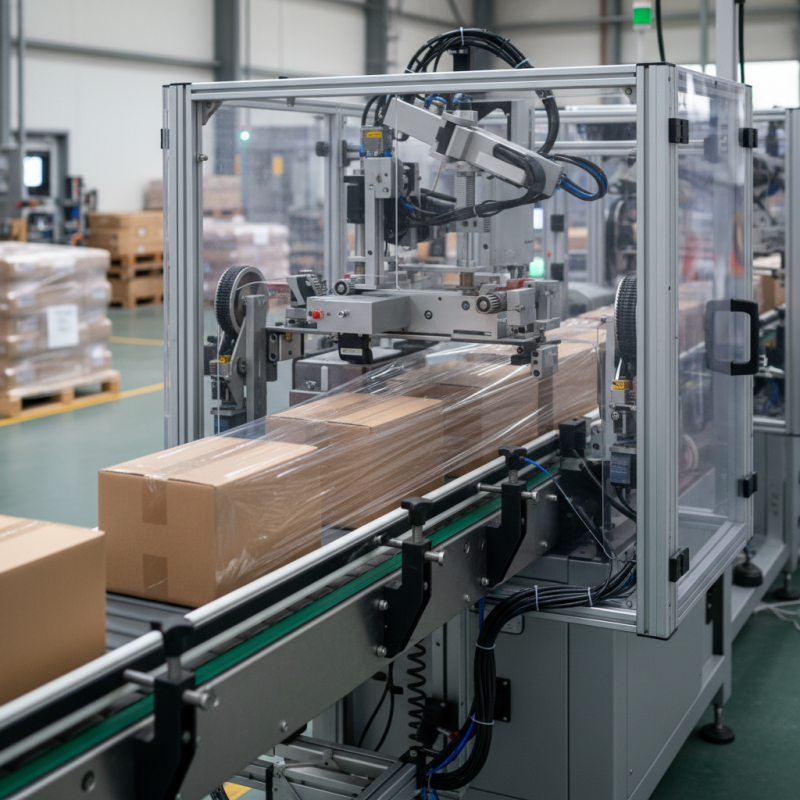
A packing machine is a vital tool in the manufacturing and packaging industry. It automates the process of packing various products. From small items like snacks to larger items such as appliances, these machines ensure products are securely packaged. The efficiency of a packing machine not only saves time but also reduces labor costs. As a result, manufacturers benefit from streamlined operations.
Understanding how a packing machine works can shed light on its importance. Generally, these machines operate by taking products from a conveyor and placing them into boxes or bags. Sensors detect item placement and adjust the packaging process in real time. For instance, a machine might need calibration if it frequently jams or misaligns packages. Such challenges highlight the need for regular maintenance. Operators must develop a keen eye for detail to keep machines running smoothly.
In addition, packing machines have various types, like vertical and horizontal models. Each type serves specific packaging needs. However, this diversity can sometimes lead to confusion when selecting the right machine. It's essential to consider factors like speed and product type. Even experienced operators may overlook these elements, resulting in inefficiencies. Continuous training and adaptation are crucial for optimal performance in packing operations.
Types of Packing Machines and Their Applications
Packing machines play a vital role in various industries. They streamline the packaging process, improving efficiency and reducing costs. There are several types of packing machines, each with distinct applications. For example, vertical form-fill-seal machines are ideal for granulated products like rice and sugar. Horizontal flow wrappers work well for items like snacks and baked goods. According to a recent report by Packaging Machinery Manufacturers Institute (PMMI), the packaging machinery market is projected to reach $50 billion by 2026, reflecting the growing demand for automated solutions.
Another common type is pouch filling machines, widely used in the food and beverage sector. These machines can fill, seal, and package liquid products into durable pouches, enhancing shelf life. A study by Research and Markets indicates significant growth in the flexible packaging segment, driven by increased consumer preference for lightweight and portable solutions. Ultimately, selecting the right packing machine for your needs is crucial for operational success.
Tips: When choosing a packing machine, consider factors like production speed, product type, and space constraints. Regular maintenance is essential for optimizing performance and minimizing downtime. Additionally, assess the machine's adaptability to future product changes. This helps ensure long-term value and efficiency in your packaging operations.
How Packing Machines Operate: A Step-by-Step Guide
Packing machines are essential tools in modern manufacturing. These machines automate the process of packaging products, ensuring efficiency and precision. The operation of packing machines typically involves multiple stages. It starts with product feeding, where items are automatically collected. This stage is crucial; if misaligned, it can cause bottlenecks in the workflow.
Next is the actual packaging process. Packing machines use various materials, such as films, boxes, or bags. According to industry data, around 70% of packaging systems integrate automated processes to enhance speed. However, the setup can be complex. Operators need training to manage adjustments and troubleshoot issues. Even minor errors in calibration can lead to significant material waste.
Finally, the sealing and labeling stages are vital. They ensure that products are securely packaged. A report from the Packaging Machinery Manufacturers Institute notes that poorly sealed products can result in up to 30% higher returns. While packing machines enhance productivity, they require regular maintenance and monitoring. This balance between automation and human oversight is a challenge many manufacturers face today.
Key Components of Packing Machines
Packing machines play a vital role in various industries. They ensure products are securely packaged for transport and sale. Understanding the key components of packing machines helps in appreciating their function.
The filling mechanism is often the heart of these machines. It determines how products are loaded into their respective containers. This can vary from liquids to solids. Each type has specific requirements. The sealing system then secures the packages, ensuring freshness and preventing leaks. Various methods exist, such as heat sealing or adhesive sealing, each with its unique pros and cons.
Tips: Regular maintenance is crucial. It reduces downtime and improves efficiency. Also, choose the right machine for your product type. An improper fit can lead to wasted materials and time. Finally, train staff adequately. A well-trained team can operate machines safely and effectively, enhancing overall productivity.
Benefits of Using Packing Machines in Various Industries
Packing machines are vital in many industries. They enhance efficiency and accuracy in packaging processes. These machines automate tasks, reducing the need for manual labor. Employees can focus on more complex tasks while machines handle repetitive duties. This shift often leads to higher productivity.
In the food and beverage industry, packing machines ensure products remain fresh. They help maintain hygiene standards and reduce contamination risks. The same applies in pharmaceutical sectors, where accurate dosing is crucial. However, not all machines deliver the same quality. Choosing the right packing machine requires research and expertise. Businesses must evaluate their specific needs and the machine's capabilities.
Adopting packing machines can lead to significant cost savings. Companies often notice a decrease in material waste and labor costs. Still, it's essential to monitor performance regularly. Machines may require maintenance to avoid downtime. There’s a learning curve involved, and employees may need training for optimal use. Balancing automation with human oversight is key for success in packing operations.


 Close
Close