What is a Panel Box and How to Choose the Right One?
A panel box is an essential component in electrical systems. It distributes electricity safely throughout a building. Understanding its significance is crucial for homeowners and contractors alike.
Choosing the right panel box involves several factors. You need to consider your electrical needs, capacity, and local code requirements. Many people overlook these details, leading to potential safety hazards.
Panel boxes come in various sizes and types. Selecting the right one may seem overwhelming. However, consulting with professionals can offer valuable insights. With the right knowledge, you can make an informed decision that enhances safety and efficiency in your electrical setup.
Understanding the Basics of a Panel Box
A panel box is an essential component in electrical systems. It serves as a hub for distributing electricity throughout a building. Understanding its role is crucial for safe and efficient electrical management. According to the National Electrical Manufacturers Association (NEMA), over 70% of electrical failures stem from improper installation or maintenance of these boxes.
Choosing the right panel box involves several factors. It must fit the electrical load requirements of the building. A survey by the International Electrotechnical Commission (IEC) shows that many installations are under or over-engineered, which can lead to safety hazards. A well-selected panel box can efficiently manage power distribution, reducing the risk of overloads.
Moreover, panel boxes should comply with local codes and standards. Many users overlook the importance of local regulations, risking fines or safety issues. Additionally, the materials used for the enclosure can affect durability and safety. For instance, metal boxes tend to offer better protection against physical damage compared to plastic ones.
Remember, making a decision without thorough analysis can lead to expensive consequences down the line. It's vital to reflect on your choices carefully.
Key Components and Functions of a Panel Box
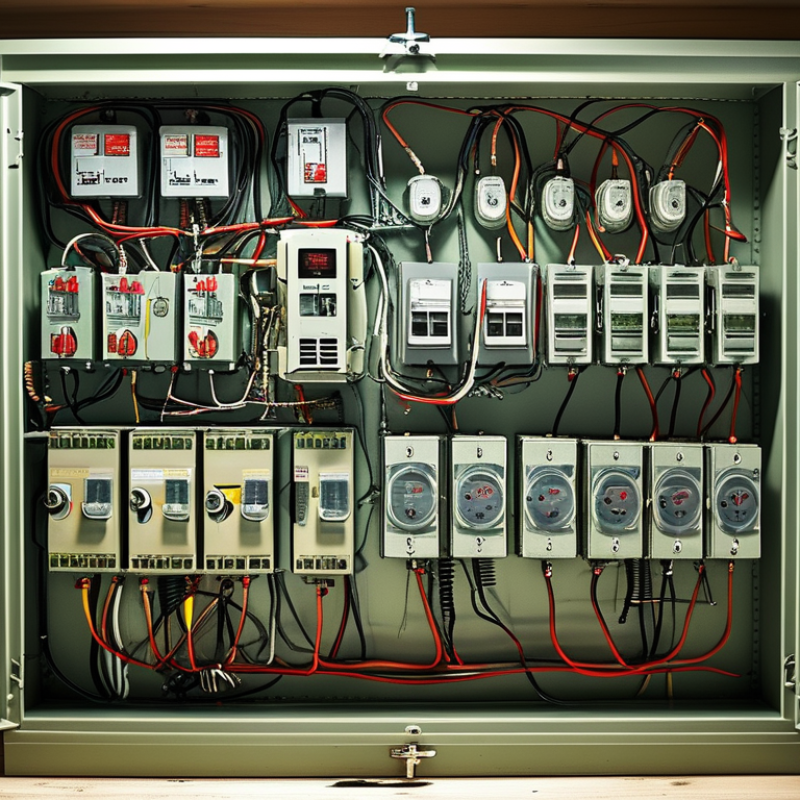
A panel box is crucial for managing electrical systems. Its key components include the main breaker, circuit breakers, and bus bars. The main breaker controls the electrical flow. It protects all circuits. Circuit breakers prevent overloads. Bus bars connect wires, distributing electricity effectively.
When choosing a panel box, consider its capacity. It should match your electrical needs. Assess the number of circuits required. Think about future electrical demands too. This foresight can mitigate risks of overloading.
Installation requires attention. Incorrect wiring can lead to hazards. Regular inspections are essential. Even a minor flaw can cause issues. Panel boxes may seem straightforward, but their complexity warrants professional guidance.
A well-chosen panel box ensures safety and efficiency in your electrical system.
Factors to Consider When Choosing a Panel Box
When selecting a panel box, consider its size and capacity. A panel box must accommodate your electrical needs without being overcrowded. Think about your current usage and any future expansions. It’s not just about current circuits; plan ahead. Too small a box can lead to overheating or failures. A box that is too large may seem wasteful, but it offers room for growth.
Next, the material and construction of the panel box are crucial. Steel boxes offer durability, while plastic boxes are lightweight. Consider the environment where the panel box will be installed. If moisture or dirt is a concern, opt for a weatherproof option. Look for certifications that ensure safety and reliability in your choice. Over time, material can wear down, leading to costly replacements.
Lastly, compatibility with existing systems is vital. Ensure the panel box can integrate with your current circuits seamlessly. This may require consultation with a professional. Without proper integration, you may face disruptions. Choosing a panel box is not straightforward; it demands careful thought. Reflect on your needs and seek knowledge to make the best decision.
Types of Panel Boxes Available on the Market
When selecting a panel box, understanding the various types available is crucial. The market offers several options, each designed for specific applications. Common types include load center panels, subpanels, and transfer switches. A study conducted by the National Electrical Manufacturers Association (NEMA) indicates that load centers account for over 40% of all panel box sales in the U.S. These units manage electrical distribution for residential and commercial buildings.
Another popular option is the subpanel, which expands circuit capacity without overloading the main panel. This is especially beneficial for properties with extensive electrical needs. Furthermore, transfer switches are essential for homes using backup generators. They ensure a smooth transition of power, protecting equipment from voltage surges.
Tips: If you're uncertain, choose a panel box with adjustable amperage. This feature allows for future upgrades. Always consult with a certified electrician to ensure compliance with local codes.
When choosing a panel box, consider the future needs of your property. A common mistake is underestimating the electrical load, which can lead to costly modifications later. Research shows that improper panel selection can increase maintenance costs by up to 30%. Make an informed decision based on your current and potential energy requirements.
Installation and Maintenance Tips for Panel Boxes
When it comes to panel boxes, installation and maintenance are critical for ensuring safety and efficiency. Proper installation starts with assessing the location. Ensure the panel is easily accessible. Choosing the right mounting height is essential, especially for larger setups. Good visibility can help during maintenance checks. Remember to keep the area clear for air circulation. Overheating can lead to failures.
Routine maintenance is equally important. Check the connections periodically. Loose wires can lead to short circuits. Inspect for any signs of wear or corrosion. This can be tricky, as some issues are not immediately visible. Consider using thermal imaging to identify overheating components. It's a worthwhile investment that can save you from larger problems.
However, not every technician may be experienced with panel boxes. It’s crucial to verify qualifications before hiring someone. Research their background and ask for references. Sometimes, hiring a cheap service may lead to regrettable consequences. Take the time to find someone reliable, even if it requires more effort upfront. Balancing cost and quality can be a reflective process for many homeowners.



 Close
Close