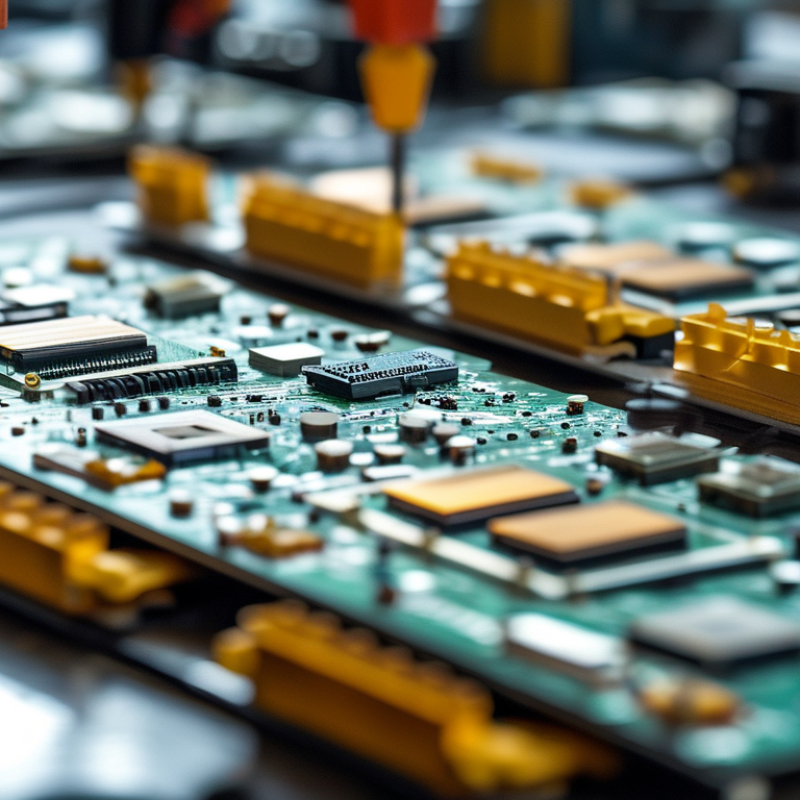
A PCB prototype board is a foundational element in electronics design. It serves as a physical platform for testing circuit designs before mass production. Key components of PCB prototype boards include the substrate, conductive traces, and vias. These components determine the board's electrical performance and structural integrity.
The substrate material, often fiberglass or epoxy resin, significantly influences durability and heat resistance. According to industry reports, around 70% of PCB failures stem from inadequate thermal performance. Conductive traces, made from copper, create pathways for electrical signals. The width and thickness of these traces can impact current-carrying capacity. Studies reveal that improperly sized traces can lead to overheating and component failure.
Vias are crucial for creating connections between different layers of the board. They can introduce complexity, especially if poorly designed. A recent survey indicated that 22% of engineers encounter issues related to vias during testing. These challenges highlight the importance of meticulous design and prototyping. Each component plays a critical role, and even small errors can lead to significant setbacks in a project.



 Close
Close