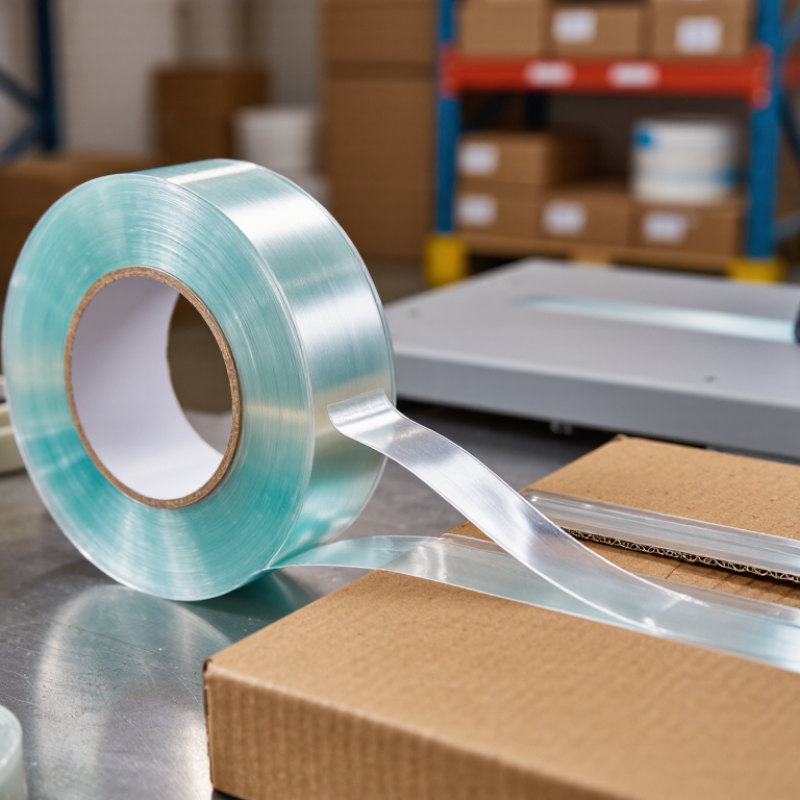
| Bundling and unitizing | Holds grouped items, such as pipes, profiles, or packaged components, together during handling and storage. | The flexible film backing can conform around bundled items and is available in tapes designed for different levels of holding force. | Choose a tape and application method suited to the bundle weight and surface. PE tape is not a substitute for load-rated strapping where heavy loads require it. |
| Surface protection | Temporarily covers or protects finished surfaces, panels, and components from dust, scuffs, or light handling marks. | The polyethylene backing provides a flexible protective layer; some products are formulated for clean removal from specified surfaces. | Adhesion and residue depend on the adhesive, surface, temperature, and time in place. Test on an inconspicuous area and follow the product's removal guidance. |
| Pipe and fitting work | Used in selected pipe-wrapping, marking, or temporary protection tasks, depending on the tape's specification. | A conformable film backing can wrap around curved surfaces and help cover seams or exposed areas. | For corrosion protection, sealing, or buried-pipe systems, use a tape specifically rated for that purpose and install it according to the system requirements. |
| Temporary masking and holding | Secures coverings, liners, or lightweight parts during assembly, transport, or short-term work. | Flexible film can be easy to apply to irregular shapes, while adhesive formulations vary to suit different surfaces and removal needs. | Confirm compatibility with the surface and the process. Heat, sunlight, and prolonged contact can affect adhesion and removability. |
| Packaging and transit protection | Helps secure protective film or keep selected packages and components together during shipment. | The backing is flexible and moisture-resistant, which can be useful when protecting items from incidental splashes or surface contamination. | Moisture resistance does not automatically make a taped joint waterproof. For routine carton sealing, select a tape designed and tested for the carton, load, and shipping conditions. |
| Insulation and HVAC tasks | Certain PE tapes are used to hold insulation facings, cover joints, or support duct-related work when specified for the application. | The film backing can conform to seams, and adhesive options are available for different temperature and substrate requirements. | Use a product rated for the operating temperature, substrate, and applicable building or HVAC requirements; a general-purpose PE tape may not be suitable. |
| Adhesive selection | PE tape may use different adhesive systems, including acrylic- or rubber-based formulations, selected for the intended task. | The adhesive affects initial tack, holding performance, temperature range, aging behavior, and removal characteristics. | Do not assume all PE tapes perform alike. Check the technical data for the specific product and test it under actual application conditions. |



 Close