How to Remove Mold from Disposable Food Containers?
Mold in disposable food containers is a common problem. Many people overlook the necessity of cleaning these items properly. Dr. Emily Hawthorne, a leading expert in food safety, notes, "Mold thrives in warm, moist environments, like leftover food in containers." This statement highlights the importance of keeping containers clean and dry.
Disposable Food Container Mold can pose health risks. Mold spores can spread quickly, contaminating food. It's essential to recognize this issue. Some containers may look clean, but they can harbor unseen mold. Frequent use increases the risk, especially with greasy or moist foods.
Many individuals find it challenging to remove mold effectively. A quick wash often isn't enough. Some may feel overwhelmed by the cleaning process. However, taking the time to ensure your containers are mold-free is vital for food safety. Addressing disposable food container mold requires diligence and careful attention to detail.
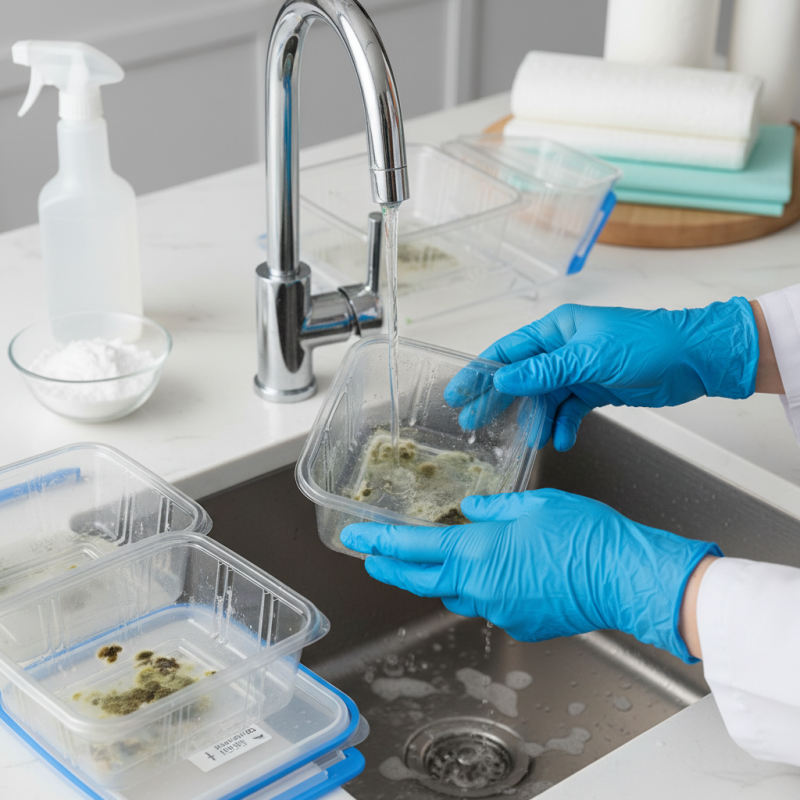
Understanding Mold Growth on Disposable Food Containers
Mold thrives in warm, damp environments. Disposable food containers can become breeding grounds for mold if not used and stored properly. These containers often hold remnants of food, which can easily create moisture. If left uncleaned, mold spores can grow rapidly in just a few days.
Mold spores are microscopic. They can appear as tiny dark spots or fuzzy patches. Invisible to the naked eye, mold can easily spread to other surfaces. Reusing unwashed containers increases the risk of mold contamination. It’s essential to inspect containers regularly, especially those made from plastic. Over time, they can develop scratches that trap food particles and moisture.
Cleaning these containers is crucial. However, mold removal can be tricky. Sometimes, stains remain even after washing. In such cases, it may be worth considering disposal instead of risking health issues. Don't underestimate the power of proper storage. Keeping containers in a dry space can help prevent mold growth. Regular checks can make a big difference.
Identifying Mold Types Commonly Found on Food Containers
Mold can thrive in many environments, including our food containers. Identifying the types of mold commonly found on these containers is crucial for effective removal. A study from the American Journal of Environmental Health indicates that over 40% of disposable food containers can harbor various mold species due to improper storage and moisture.
The most common mold types include Aspergillus and Penicillium. Aspergillus can appear as black or green spots and is often found in damp areas. Penicillium appears green or blue and usually grows on foods like bread and cheese. According to research published by the CDC, exposure to these molds can cause allergic reactions, respiratory issues, and even infections in vulnerable populations.
Yet, detecting these molds can be tricky. Sometimes, they hide in corners or beneath food residues. Users often overlook the importance of promptly cleaning containers after use. Many people assume that once a container looks clean, it’s safe to reuse. This assumption can lead to ongoing mold issues. Regular checks and thorough cleaning protocols are essential to minimize risk.
Step-by-Step Process to Remove Mold from Disposable Containers
Mold in disposable food containers is a common issue. It's crucial to address it efficiently. Follow these steps to remove mold safely. Start by wearing gloves and a mask. This protects you from mold spores. Pour a solution of vinegar and water into the container. Vinegar is known for its antifungal properties.
Soak the container for about 30 minutes. This allows the vinegar to penetrate the mold. After soaking, scrub the container with a sponge. Be sure to reach all corners. Rinse thoroughly with hot water. Dry the container completely before reuse. Leaving moisture can lead to mold returning.
Tips: Always store containers in a dry place. This simple habit can reduce mold growth. Inspect your storage area regularly for any signs of moisture. Remember, not all mold is visible. If containers frequently develop mold, consider alternatives. Mold can enter through tiny cracks. Always remain vigilant in maintaining clean storage.
How to Remove Mold from Disposable Food Containers? - Step-by-Step Process
| Step | Action | Materials Needed | Estimated Time |
| 1 | Remove Excess Mold | Paper towel or plastic bag | 5 minutes |
| 2 | Wash with Soap and Water | Mild dish soap, sponge | 10 minutes |
| 3 | Rinse Thoroughly | Clean water | 5 minutes |
| 4 | Disinfect with Vinegar Solution | White vinegar, water, spray bottle | 10 minutes |
| 5 | Dry Completely | Dry cloth or air dry | 15 minutes |
Preventative Measures to Avoid Mold in Food Storage
When it comes to storing food, proper precautions are essential to prevent mold growth. Research indicates that nearly 40% of food waste is due to spoilage, often caused by improper storage. Disposable containers can trap moisture, creating an ideal environment for mold. To counteract this, ensuring containers are dry before storing food can significantly reduce mold risk.
Regularly inspecting your food storage habits is crucial. Look for signs of mold in your containers, such as discoloration or an off smell. Even if your food appears safe, mold spores can still linger. Keeping your refrigerator at the recommended temperature of 32°F to 40°F can help inhibit mold growth. Furthermore, using airtight containers can also keep moisture at bay, reducing the chances of a mold problem.
Consider the freshness of the food you store as well. Certain foods, like fruits and vegetables, are more prone to mold. Storing them separately or in breathable bags can limit exposure. A study showed that about 5% of food items can harbor mold. Take notice of expiration dates. Outdated food increases the likelihood of mold development. Being vigilant about these details can help you maintain a healthier kitchen environment.
Safe Disposal of Severely Moldy Food Containers
When it comes to disposing of severely moldy food containers, caution is key. Mold can be a serious health risk. If you encounter containers with extensive mold, handling them properly is essential. Always wear gloves and a mask to protect yourself from spores. Place the container in a sealed plastic bag to prevent any spore spread. Then, discard it in the trash. Never compost these containers, as mold can contaminate your compost pile.
Before throwing away the container, remember to check local disposal guidelines. Some areas have specific processes for disposing of contaminated materials. If in doubt, consult your waste management authority to avoid potential issues. Reflect on your food storage practices. Regularly check containers for signs of mold and clean them promptly. Consider using glass or stainless steel options instead, which may reduce mold buildup over time. It’s a small change that can make a big difference in food safety and health.
Comparison of Mold Removal Methods for Disposable Food Containers


 Close
Close