Top 5 Tips for Using Automated Warehouse Systems at 2026 Canton Fair?
The 2026 Canton Fair offers a unique opportunity to explore the latest advancements in Automated Warehouse Systems. As Dr. Emily Chen, an expert in automation technology, states, "Automation is not just about efficiency, but about creating smarter workflows." This quote underscores the significance of integrated systems in enhancing productivity.
With over 1.55 million square meters of exhibition space, the fair showcases innovations like AI-driven navigation. These features allow buyers to locate certified suppliers quickly. Automated Warehouse Systems will be vital in managing logistics efficiently. However, adopting these technologies doesn't come without challenges. Companies must ensure proper implementation and staff training to realize their full potential.
Visitors should consider the implications of integrating these systems into their operations. Innovations can drastically transform warehouse management, but not all solutions fit every business. The fair is a chance to learn, connect, and refine their strategies. Emphasizing the right balance between automation and human oversight is crucial for sustainable success.
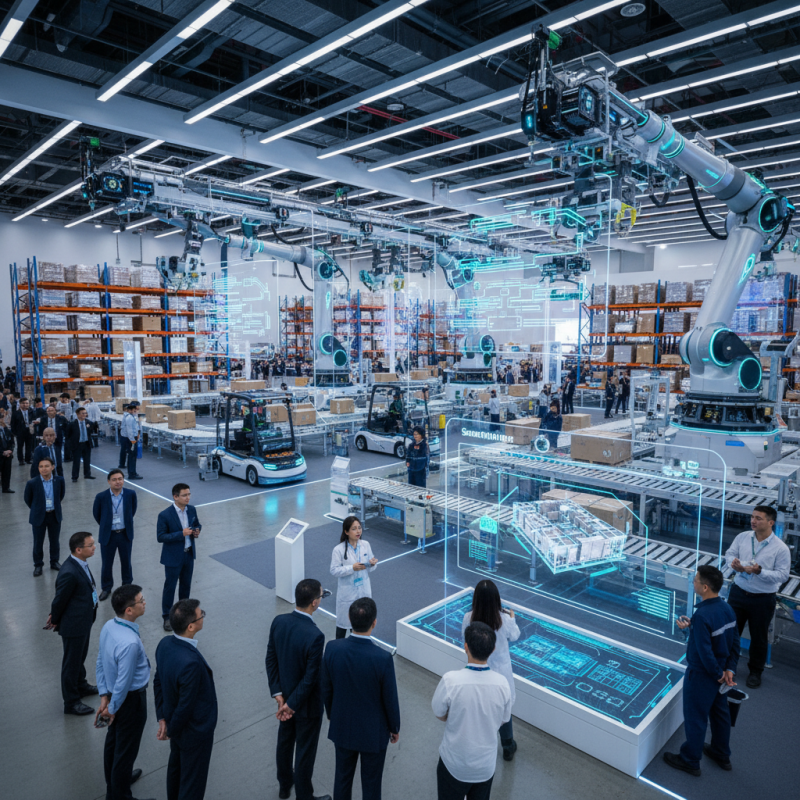
Understanding Automated Warehouse Systems and Their Importance
Automated warehouse systems have transformed logistics. They streamline processes and enhance efficiency, crucial for modern supply chains. At the 2026 Canton Fair, understanding these systems is vital. These technologies reduce manual labor and increase accuracy. Manual errors can lead to significant losses. Automated systems help mitigate these risks.
Moreover, embracing automation can be challenging. Staff may resist transitioning from traditional methods. Training and patience are essential here. Not every solution fits every warehouse. Some may need more customization. Look for systems that adapt easily to your specific needs. Facilities should prioritize flexibility in choosing technology.
Finally, monitoring performance is key. Automated systems deliver data insights. Yet, analyzing this data requires skill. Businesses must be ready to adapt based on findings. An iterative approach can lead to improvements. This is an ongoing journey, not a one-time fix. Warehouse automation is about refinement and evolution.
Key Features to Look For in Automated Warehouse Solutions
Automated warehouse systems can revolutionize logistics. At the 2026 Canton Fair, focusing on key features will help you choose the right solution. Look for systems that offer real-time tracking. This feature enables you to monitor inventory at all times. It helps in managing stock levels efficiently.
Another essential aspect is scalability. Your operations may grow or change. Choose a solution that can adapt. Not all systems are flexible. Some may require complete overhauls. This can lead to downtime and lost revenue.
When engaging with vendors, ask about integration capabilities. A warehouse system should work with existing software. Smooth integration saves time and reduces errors. Keep an eye on user-friendliness as well. If a system is too complicated, training new staff can be challenging. Balancing advanced features with simplicity is critical.
Best Practices for Implementing Automation at the Canton Fair
Automated warehouse systems are vital for enhancing efficiency at trade shows like the Canton Fair. Implementing automation is not merely a trend; it's a necessity. A recent report from the International Warehouse Logistics Association states that automation can lead to a 30% increase in productivity. This figure highlights the potential benefits, but it also raises questions about readiness and adaptability.
Integrating automation requires precise planning. Staff must be trained to operate new systems effectively. A survey indicated that nearly 40% of users felt unprepared before their automation rollout. Poor preparation can lead to disruptions and inefficiencies. Addressing these gaps is crucial for smooth operation. Consider investing in training programs tailored to specific automation tools.
Furthermore, maintaining the system is a continuous process. Automated warehouses can experience technical issues that hinder operations. Research shows that 25% of automated systems face such challenges within their first year. A proactive maintenance strategy is essential to minimize these issues. Keeping communication open among staff can also help identify potential problems early. Emphasizing these best practices will prepare exhibitors for a successful experience at the Canton Fair.
Strategies for Efficiently Training Staff on New Technologies
Training staff on new automated warehouse systems is crucial. At the 2026 Canton Fair, effective strategies can enhance your training process.
Start by creating a hands-on training environment. Use realistic warehouse scenarios. This allows staff to engage with the systems directly. Encourage questions during training sessions. Sometimes, staff might feel shy about asking for help. Addressing this can lead to a more open learning atmosphere.
Incorporate small group activities. Team learning fosters cooperation. Let employees share their insights. This can spark creative solutions to unexpected challenges. Automation can be intimidating for some. Keeping training sessions interactive reduces anxiety.
Consider utilizing digital resources as supplementary material. Short videos or interactive tutorials can reinforce learning. These tools are handy when distractions occur in the training room. Sometimes, complex concepts may require a different approach for clarity. Consistent follow-up is key; check in with employees after training. It’s important to address lingering uncertainties.
Evaluating ROI and Performance Metrics for Warehouse Automation
Automated warehouse systems are transforming logistics, but evaluating ROI and performance metrics is crucial. According to industry data by McKinsey, automation can boost warehouse productivity by up to 30%. This increase does not come without challenges. Maintaining system integration can be complex.
Performance metrics for automated systems should include throughput rates. This measures how many items are processed over time. A survey from Gartner indicates that 70% of logistics firms struggle with insufficient metrics. Many operations focus on volume, overlooking accuracy and order fulfillment.
ROI analysis is vital for success. Investing in automation requires a careful breakdown of costs versus expected benefits. For instance, reducing labor costs can take years to offset equipment investments. Companies should reflect on their specific needs. What works in one setting may fail in another. The path to effective warehouse automation is filled with potential pitfalls, but careful evaluation can lead to better outcomes.



 Close
Close