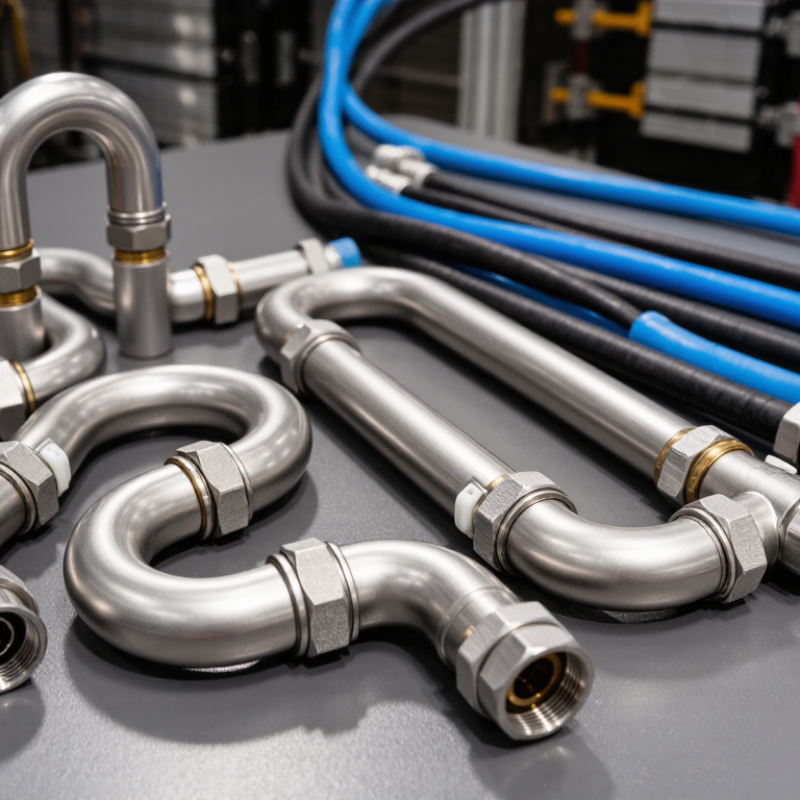
Choosing among China’s top battery liquid cooling pipe manufacturers requires more than comparing prices. A capable supplier should understand battery pack geometry, coolant pressure, vibration, and thermal cycling. Ask for material specifications, dimensional tolerances, burst-pressure results, and temperature-range data. Ask for evidence.
During supplier audits, inspect how pipes are formed, cleaned, and tested. Look for controlled bending, stable wall thickness, and sealed connection points. A sample may appear excellent but fail after repeated heating and cooling. Request test reports from production batches, not only laboratory samples. Measure twice.
Check whether the supplier can adapt pipe length, connector position, and mounting features to your battery design. Clear engineering communication matters when drawings change quickly. Confirm the coolant compatibility, corrosion resistance, and expected service life under real operating conditions. Also review traceability, inspection records, packaging, and replacement support.
A useful qualification process includes prototype approval, pilot production, and process audits before large orders. I have seen buyers focus too heavily on unit cost and overlook tooling charges, leak-test limits, or minimum order quantities. That mistake becomes expensive later. A reliable Chinese supplier should explain weaknesses openly, maintain consistent inspection standards, and provide corrective-action records when failures occur. Certification can support trust, but it should not replace practical verification. Test the pipe in an assembled cooling circuit whenever possible.

 Close
Close