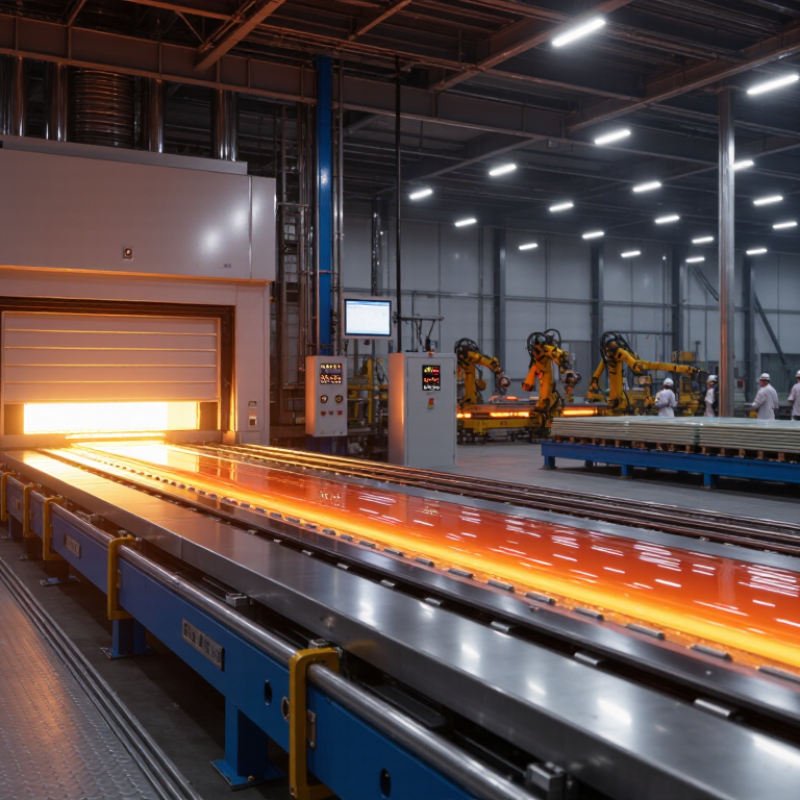
China’s float-glass equipment makers serve a large production base. The National Bureau of Statistics reported 969.01 million weight cases of flat-glass output in 2023. That figure indicates scale, but it does not measure machine quality or supplier performance. The ten manufacturer profiles are more useful when read as capability snapshots, not a strict ranking.
Their strengths can be compared across ten practical areas: batch preparation, furnace design, tin-bath control, annealing lehrs, cutting lines, inspection systems, automation, heat recovery, commissioning, and retrofit support. On site, details matter: stable ribbon temperature, clean edges, and fewer unplanned stops. Small details matter. A supplier’s engineering drawings and commissioning records can reveal more than broad capacity claims.
The figures need context. National output data is not a direct measure of equipment orders, efficiency, or service quality. A factory visit can clarify these points, though one visit cannot represent every operating condition. Buyers should examine energy use per tonne, line availability, spare-part lead times, and the precision of temperature controls. The comparison may still be imperfect. Publicly available information rarely supports identical, side-by-side checks across all ten profiles.



 Close