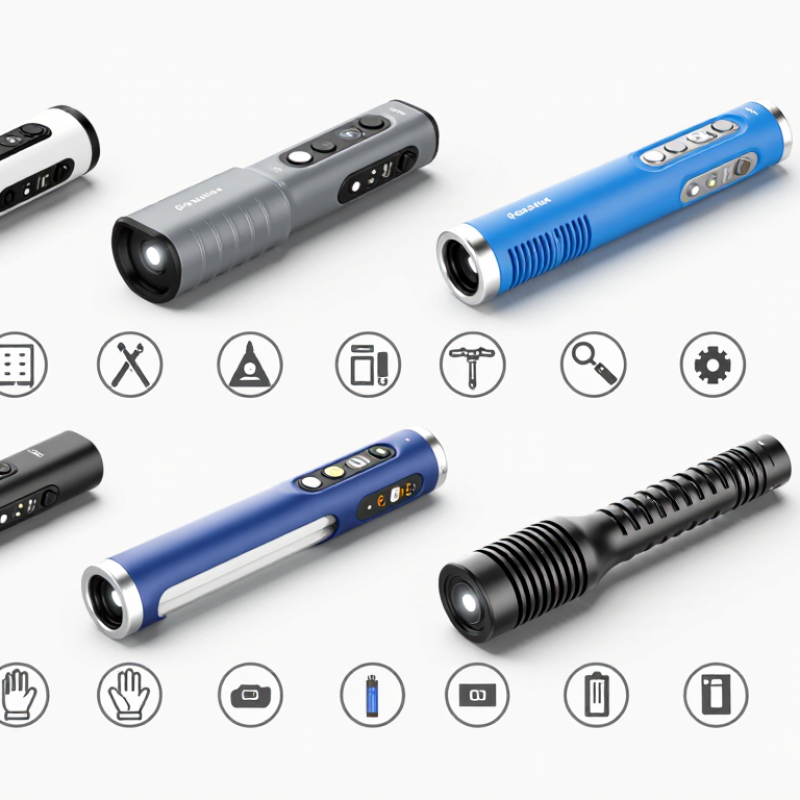
A useful comparison of ten handheld portable UV lamps looks beyond peak output.
Check whether irradiance is reported at a stated distance, such as five centimeters, and whether testing conditions are consistent. Distance changes everything. A higher reading at the lamp face may not mean stronger exposure across a wider surface. Coverage matters: a narrow beam can require slow, overlapping passes over a tabletop or handle. Look for measured coverage, not just a broad marketing description.
Dose depends on irradiance and exposure time, so compare figures only when their units and measurement methods match. Small print matters. Treat stated dose as a specification, not proof that every surface receives equal exposure; texture, angle, shadows, and movement can change results.
Battery runtime also needs context. A lamp rated for several hours may last less when operated at maximum output, while repeated charging can affect long-term capacity. Check whether runtime reflects continuous use or intermittent sessions.
UV can injure eyes and skin, so choose models with clear operating guidance and never direct an operating lamp toward people or animals.
Some product figures remain hard to compare, and that uncertainty deserves attention rather than a confident guess.



 Close