Our company only collects the necessary data and respects your privacy, in accordance with the General Law for the Protection of Personal Data 13.709/2018. By continuing, you confirm that you have read and accepted the Privacy Notice. Privacy Policy.

Medal Pt Br Medal Es

Medal Group

Top 10 Mahjong Table Covers for Every Buyer

A Mahjong Table Cover can make a game feel more comfortable while helping protect the playing surface. The right choice depends on your table, playing style, and how often you host. A cover that fits snugly can reduce sliding when tiles move across the surface. A soft fabric can also soften the sound of clacking tiles. Small details matter.

This guide compares ten options for different buyers, from casual players to regular hosts. It considers dimensions, material, grip, cleaning needs, portability, and storage. Some covers use padded fabric for a quieter, cushioned feel. Others prioritize a smooth surface or easy folding. Check your table measurements before choosing; a cover that is too small may shift during play, while excess fabric can bunch near the edges.

Spilled tea happens. So do crumbs. Care instructions are worth checking, especially for covers used every week. Product specifications can help narrow the options, but feel and fit may vary by table and personal preference. No single cover suits everyone. The best pick balances practical protection with the way you actually play. Use this list to compare features, notice trade-offs, and choose a Mahjong Table Cover that fits your space and routine. A minor drawback may matter more than a stylish finish. That part is easy to overlook.

Top 10 Mahjong Table Covers for Every Buyer

What a Mahjong Table Cover Is and How It Supports Gameplay

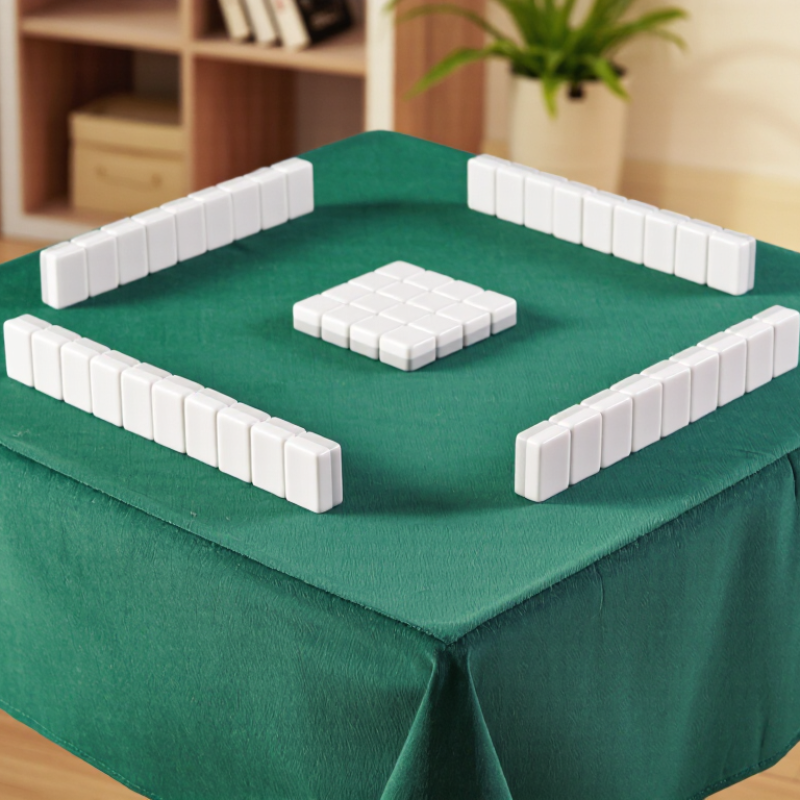
A mahjong table cover is a fitted or draped textile layer placed over the playing surface. It helps tiles slide predictably, softens their clatter, and shields the table from scratches and spills. The surface matters: fabric that grips too much can make tile walls awkward to adjust, while very slick material may let tiles drift. A practical check is to push one tile across the cover and listen for a steady, quiet glide.

Material choices are broad, but fiber statistics do not prove how any particular cover will perform. Textile Exchange’s Materials Market Report 2024 estimates that global fiber production reached 124 million metric tonnes in 2023. That figure describes the wider textile supply, not mahjong-cover quality. Small distinction. For gameplay, examine the weave, backing, edge finish, and fit instead. A loose corner can catch a tile; a thick seam can interrupt a row. If the cover is washable, check care instructions before buying, since shrinkage can spoil an otherwise useful fit. I would not assume “non-slip” always means better: too much friction can make tile movement tiring.

Top 10 Mahjong Table Covers for Every Buyer - What a Mahjong Table Cover Is and How It Supports Gameplay

Cover Type Best For How It Supports Gameplay What to Check Before Buying Care and Trade-Offs
Neoprene mat Players seeking a cushioned, grippy playing surface. Its flexible surface can help keep tiles from sliding too freely and softens the sound of tile placement. Measure the usable tabletop and check the mat’s thickness, edge finish, and whether it lies flat. Usually needs gentle cleaning and thorough drying. It may take up more storage space than a thin cover.
Rubber-backed fabric cover Players who want a cloth top with added grip underneath. The fabric gives tiles a softer contact surface, while the backing can help limit movement on the table. Check that the backing suits the tabletop and that the cover dimensions leave enough room around the playing area. Follow the care label; some backings can be damaged by heat or harsh cleaners.
Felt cover Players who prefer a traditional, soft textile surface. Felt provides a smooth, quiet surface for handling and arranging tiles. Look for a close fit or a nonslip underside, since plain felt may shift on a smooth table. Can attract lint and may be harder to spot-clean than wipeable materials.
Polyester speed-cloth cover Players who want a smooth, low-friction fabric surface. Tiles can move easily across the surface, which may suit quick dealing and rearranging. Check the fabric finish and backing; a very smooth cover may move unless secured. Often lightweight and easy to fold, but care instructions vary by fabric and finish.
Vinyl or PVC cover Players prioritizing easy wipe-down after spills or frequent use. A nonporous surface can make routine cleanup straightforward and protects the tabletop beneath. Confirm the cover is intended for tabletop use and check whether its surface is too slick for your preference. Wipe clean with a suitable mild cleaner. It may feel less soft and can crease if stored folded for long periods.
Silicone mat Players who want a flexible, washable, grippy cover. Its naturally tacky surface can help limit cover movement and keep tiles from sliding as easily. Check the mat’s dimensions, thickness, and whether it can be rolled or stored flat. Clean according to the maker’s instructions; lint and dust may be noticeable on some silicone surfaces.
Padded quilted cover Players wanting extra cushioning or tabletop protection between sessions. The padded layer can soften tile noise and provide a forgiving surface for play. Check the finished size and padding thickness, especially if table edges or accessories need to remain accessible. Bulkier to store and may need careful washing to preserve its shape and padding.
Elastic-edge fitted cover Players who want a cover that stays in place over a compatible table. A secure fit can reduce bunching and shifting during tile handling. Measure both tabletop length and width, and check table thickness and corner shape against the fit details. Convenient to put on and remove, but a fitted design may not suit tables outside its stated size range.
Foldable travel cover Players who carry a cover to classes, clubs, or shared venues. Creates a portable, defined playing surface on a suitable table away from home. Compare its open dimensions with your usual playing setup, and check how it secures or packs for transport. Easy to transport, though fold lines may need time to relax before play.
Disposable paper cover Occasional events or situations where quick cleanup is the main priority. Provides a temporary surface layer and can be replaced after use. Check that it covers the intended area and can be held in place; paper is not suited to repeated use. Simple to discard after play, but less durable and less resistant to spills than reusable covers.

Buyer note: A Mahjong table cover is a removable layer placed over a tabletop to provide a playing surface and help protect the table. Table and cover dimensions are not universal, so measure your playing area and check the fit before purchasing.

Materials, Construction, and Features Found in Mahjong Table Covers

A Mahjong cover’s surface affects tile movement, sound, and cleanup. Smooth polyester lets tiles glide, while a lightly brushed fabric offers more grip. The choice is personal. Textile Exchange’s Materials Market Report 2024 estimates polyester made up 57% of global fiber production in 2023. That scale helps explain its availability, but it does not prove every polyester cover will last. Check the weave, backing, and care instructions, not just the fiber label.

Construction matters under real play. A thin foam or rubber backing can soften tile clicks and help the cover stay put; too much padding may make tiles wobble. Bound edges resist fraying, especially where players rest their wrists. Look for flat seams and corners that fit without pulling. Feel the edge. A cover that is washable may still shrink or curl if dried with heat, so follow its care guidance. I would not assume a heavier cover is automatically better; weight can improve stability but make storage awkward. Measure the table with its playing surface, then compare the cover’s dimensions and allowance for edge overhang. A small mismatch can become annoying every game.

Types of Mahjong Table Covers by Size, Fit, and Playing Style

Mahjong table covers vary by size, fit, and the way a group plays. A compact cover suits a small folding table, while larger mats need enough room for tiles, racks, and hands without hanging over the edge. Measure the actual playing surface, not just the table’s outer frame. Rails and rounded corners can change the fit. A fitted cover with elastic stays in place during lively games, but may be awkward to remove. Flat covers are easier to fold and store. They can shift, though. Check that the underside grips the table and that the surface lies smooth before play.

Playing style matters, too. A lightly padded fabric can soften the clatter of tiles during casual home games. Very thick padding may make tiles feel less stable or harder to slide. That trade-off is real. For travel, a thin, rollable cover takes little space and can protect a table from scratches. It may wrinkle after being packed. For frequent sessions, choose a washable surface that dries fully between uses; damp fabric can feel unpleasant and collect dust. Some buyers focus on color first. It is easy to do. But a muted, low-glare surface may be kinder to the eyes under bright ceiling lights, while a non-slip backing helps keep the mat steady when players reach across it.

Ten Mahjong Table Cover Options for Different Buyer Needs

Choosing among ten Mahjong table cover options starts with how and where the table is used. Washable vinyl suits frequent spills and quick cleanup. Quilted cotton adds a softer feel, while neoprene offers a smooth, cushioned surface. Felt gives tiles a quieter landing, though it can hold dust. A thicker padded cover may help protect a table during storage.

Small detail. It matters.

For a snug fit, consider an elastic-edge cover; check your table’s measurements before buying. Reversible covers offer two looks, but both sides should feel suitable for play. A water-resistant-backed option can help guard against minor spills, though seams may still let moisture through. Lightweight foldable covers are easier to carry to game nights.

Made-to-measure covers can suit unusual table sizes, but confirm the finished dimensions and return terms. A cover that looks ideal online may feel too slippery or bulky in person. I would weigh texture and fit above appearance alone, and accept that one option may not meet every need.

How to Compare, Choose, and Care for a Mahjong Table Cover

A good mahjong table cover should fit the table, stay put, and feel comfortable beneath the tiles. Measure the playing surface, including rounded corners, rather than relying on a table’s advertised size. Compare the cover’s thickness and backing: a grippy underside helps prevent shifting, while a padded top can soften tile noise. Small details matter. Check whether stitched edges sit flat and whether the material resists spills without feeling sticky. Not always an easy trade-off. A slick surface may wipe clean quickly but make tiles slide more than you prefer.

Care starts with the fabric label. For routine dust, use a soft, dry cloth; for spills, blot gently instead of rubbing liquid deeper into the weave. Avoid hot water or harsh cleaners unless the maker’s care instructions allow them.

The U.S. Environmental Protection Agency’s 2018 materials report estimated that 17 million tons of textiles entered the U.S. waste stream, while about 2.5 million tons were recycled. That broader textile figure is not specific to game covers, but it supports choosing a cover you can maintain and use for years.

Let a washable cover air-dry fully before storing it, and keep it rolled rather than sharply folded to reduce creases. Even careful storage may not remove every mark.