Top 30 Butterfly Valves for Global Buyers Guide?
In the world of fluid control systems, selecting the right component is crucial. The "30 Butterfly Valve" is among the most reliable and versatile options available. As industry expert John Smith notes, "Choosing the right butterfly valve can significantly enhance system performance."
This guide serves as a comprehensive reference for global buyers interested in these essential components. From industrial applications to residential uses, butterfly valves are vital for regulating flow. However, buyers often face challenges in determining the best options. The variations in design, materials, and operation can be overwhelming.
Understanding the nuances is essential. While many manufacturers offer numerous styles, not all meet the same standards of quality. Some valves may fail in extreme conditions or under high pressure. Therefore, careful evaluation is key. Buyers should prioritize durability and functionality to ensure optimal performance. This guide aims to clarify these complexities, providing insights into the top 30 butterfly valves available today.
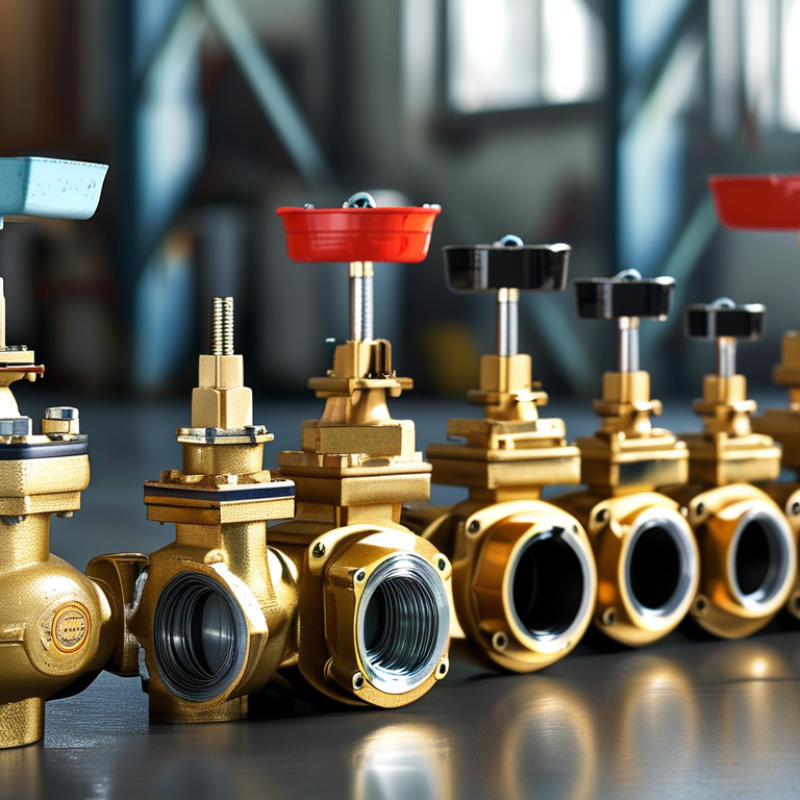
Overview of Butterfly Valves: Definition and Applications
Butterfly valves are crucial components in various industries, especially in fluid control systems. These devices operate by rotating a disc to regulate flow. Their simple design allows for quick operation and minimal pressure drop. According to a report by MarketsandMarkets, the global butterfly valve market is expected to grow from 4 billion USD in 2021 to over 5 billion USD by 2026, highlighting their rising importance in industrial applications.
These valves find applications in water supply, wastewater treatment, and HVAC systems. Their lightweight construction simplifies installation and maintenance. However, not all butterfly valves perform equally under high-pressure conditions. Real-world issues can arise, such as improper sealing that may lead to leaks. Industry data suggests that nearly 15% of valve failures stem from incorrect installation and maintenance.
Despite their advantages, there are situations where butterfly valves may fall short. In high-viscosity fluids, their effectiveness diminishes. Users must consider the specific needs of their application to avoid potential pitfalls. Understanding these intricate details is essential for making informed purchasing decisions in today's competitive market.
Top 30 Butterfly Valves: Global Market Overview
Types of Butterfly Valves: Wafer, Lug, and Double-Flanged Designs
When selecting butterfly valves, understanding the different designs is essential. The three main types are wafer, lug, and double-flanged designs. Each type serves a specific purpose in various applications. Wafer valves are slim and lightweight, perfect for tight spaces. They fit between two flanges and are often more cost-effective.
Lug butterfly valves feature threaded inserts. This design allows for easy installation and maintenance. They can be removed without affecting the piping system. This is beneficial in certain operational scenarios. Double-flanged designs are robust and constructed for high-pressure environments. They secure tightly to both sides of the pipeline, providing excellent sealing performance.
**Tip:** Consider your application’s pressure and space limitations when choosing a valve type. Understanding your needs will guide your decision.
It’s important to assess quality and dimensions carefully. Not all valves are created equal. Research specifications and materials used. **Tip:** Consult with industry experts or review technical manuals for insights on choosing the right butterfly valve for your project. Taking the time to evaluate different options can save costs and ensure long-term reliability.
Top 30 Butterfly Valves for Global Buyers Guide
| Type | Size (inches) | Pressure Rating (PSI) | Material | Temperature Range (°F) | Connection Type |
| Wafer | 2 | 150 | Cast Iron | -20 to 250 | Flanged |
| Lug | 4 | 200 | Aluminum | -20 to 180 | Lugged |
| Double-Flanged | 6 | 300 | Stainless Steel | -20 to 350 | Welded |
| Wafer | 8 | 150 | PVC | -10 to 140 | Flanged |
| Lug | 10 | 200 | Ductile Iron | -20 to 200 | Lugged |
| Double-Flanged | 12 | 300 | Carbon Steel | -20 to 400 | Welded |
Key Features to Consider When Choosing Butterfly Valves
Choosing the right butterfly valve is crucial for efficient fluid control. Several key features can guide buyers in selecting the best option. Start with the valve material. Options like cast iron, stainless steel, and plastic each play a role in durability and resistance to corrosion. The choice should depend on the working environment and fluid types.
Next, consider the valve size and connection type. Proper sizing affects flow rates and pressure drops significantly. Different connection standards, such as flange or threaded ends, can simplify installation. Ensure compatibility with existing systems. Actuation method is another important aspect. Manual, electric, and pneumatic actuators offer varying levels of control and automation.
Lastly, evaluate the performance characteristics. Features like temperature and pressure ratings determine operational limits. Leakage standards also matter, as they directly impact system efficiency. Reflect on these details to avoid mistakes. A well-considered selection process leads to improved reliability and performance in fluid systems.
Top Brands in the Butterfly Valve Market: A Comparative Analysis
In the global butterfly valve market, several leading brands offer diverse solutions for various industries. A recent report estimates this market's value will reach USD 8.7 billion by 2026, growing at a CAGR of 4.3%. Such growth emphasizes the importance of understanding the landscape of manufacturers and their product offerings.
Market analysis shows that manufacturers focus on materials and designs that enhance durability and efficiency. Common materials include stainless steel, PVC, and cast iron, which cater to different applications. Notably, butterfly valves operate effectively in high-flow environments. It's crucial for buyers to consider specifications like pressure rating and temperature tolerance. These details impact performance in mining, water treatment, and oil & gas.
While many brands claim advancements, some designs haven't been updated for years, leading to potential inefficiencies. Buyers must critically assess the reliability of these brands. Moreover, cost-effectiveness should not come at the expense of quality. Evaluating performance based on industry standards can be a challenge. However, reputable market research often provides insights into the best options available. For informed decisions, thorough comparative analyses are essential.
Global Trends in Butterfly Valve Manufacturing and Supply Chain
The butterfly valve industry is experiencing significant transformation due to global trends in manufacturing and supply. A pressing focus is on sustainability. Manufacturers are increasingly adopting eco-friendly materials and production techniques. This shift aims to reduce the environmental impact while maintaining valve performance and longevity. Companies are exploring innovative methods to ensure their processes align with global sustainability initiatives.
Supply chain dynamics have also evolved. Disruptions from global events highlighted the vulnerabilities in sourcing and logistics. Many manufacturers are now diversifying their suppliers and exploring local production options. This helps mitigate risks while promoting faster turnaround times. Collaborations between manufacturers and suppliers have grown in importance. Stronger partnerships enable better forecasting, inventory management, and responsiveness to market changes.
Quality control remains a challenge within this sector. While many firms strive for excellence, inconsistencies can arise in product standards. Regular audits and enhanced training programs are vital to maintaining high quality. Transparency in the supply chain is necessary for building trust with clients. Addressing these issues is crucial for ensuring the long-term health of the butterfly valve market.



 Close
Close