Top 5 Roll Lamination Machines for Your Business Needs?
In the competitive world of printing and packaging, a reliable Roll Lamination Machine is crucial for enhancing product durability and appeal. Industry expert Mark Thompson, a leading figure in lamination technology, states, "The right machine elevates product quality significantly." His insights resonate with businesses looking to invest wisely in equipment.
Selecting the best machine requires careful consideration. Different models cater to various needs. Whether you prioritize speed, versatility, or cost-effectiveness, each choice holds unique advantages. For example, one machine may excel in high-volume production but may lack in delivering intricate finishes.
Reflecting on these options helps clarify your priorities. Investing in a Roll Lamination Machine should align with both current and future business goals. This approach ensures you choose a machine that meets your needs today and adapts to tomorrow's demands. The right equipment can make a substantial difference, but it is essential to assess your requirements thoroughly.
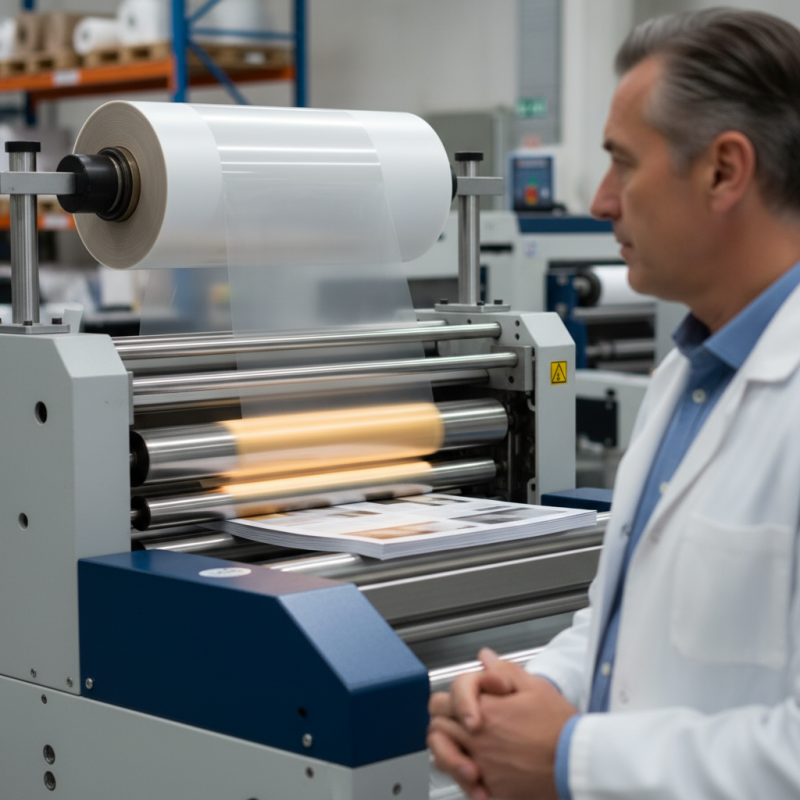
Top Features to Consider When Selecting Roll Lamination Machines
When choosing a roll lamination machine, consider the purpose. Different machines serve various needs. Thickness matters too. Some machines handle thicker materials better. Check the specifications carefully.
Speed is another crucial feature. Higher speed improves productivity. Yet, faster doesn’t always mean better. Reliability can suffer at high speeds. A balance is essential for quality work.
Tips: Always test a machine before buying. If possible, ask for a demonstration. This helps ensure it meets your expectations. Also, consider the size. Space can be a limitation. Make sure it fits in your workspace without causing clutter. Remember, the right machine should enhance your workflow, not complicate it.
Market Trends in Roll Lamination Technology and Their Impact on Business
The market for roll lamination machines is evolving rapidly. New technologies are reshaping how businesses approach document protection and presentation. With the rise of digital printing, the demand for efficient lamination is increasing. Companies are seeking faster and more cost-effective solutions.
Lamination technology now includes features like automatic feed systems and versatile film options. These advancements simplify the lamination process. However, some machines struggle with consistency in output quality. Businesses must weigh their options carefully. A machine might save time but may not always deliver perfect results.
Awareness of environmental impact is becoming crucial. Many companies aim for sustainable practices. Some lamination films are recyclable, but not all machines support eco-friendly materials. Businesses face a dilemma—balancing performance with sustainability. This evolving landscape challenges manufacturers to innovate while addressing both efficiency and eco-responsibility.
Top 5 Roll Lamination Machines - Performance Comparison
Comparative Analysis of Leading Roll Lamination Machines in 2023
When considering roll lamination machines in 2023, businesses face a myriad of choices. An analysis indicates that the demand for these machines has surged by over 15% in the last year. This increase is driven by the need for enhanced document durability. Many sectors, like education and retail, rely on these machines for waterproofing and protecting vital documents.
While evaluating options, focus on specific features. Pay attention to the machine's speed, heating time, and ease of operation. Some models may not heat evenly, leading to poor lamination quality. A survey revealed that 30% of users encountered issues with inconsistent results.
Tips: Always verify the warranty and customer support before purchase. Invest in user training to avoid maintenance issues. This can lead to better performance and longer machine life. Also, consider energy efficiency. Models that use less energy may have higher upfront costs but save money in the long run. Balancing performance and costs can be challenging. Remember to read user reviews and case studies to get a clearer picture. This may save you from making a hasty decision.
Top 5 Roll Lamination Machines for Your Business Needs
| Machine Model | Lamination Width (inches) | Max Speed (ft/min) | Max Thickness (mil) | Features |
| Model A | 25 | 30 | 10 | Auto shut-off, Adjustable temperature |
| Model B | 30 | 40 | 5 | User-friendly interface, Quick warm-up |
| Model C | 24 | 20 | 8 | Compact design, Silent operation |
| Model D | 36 | 50 | 12 | Heavy-duty, Multi-speed settings |
| Model E | 28 | 35 | 15 | Double-sided lamination, Diagnostics display |
Cost-Benefit Analysis of Investing in Roll Lamination Equipment
Investing in roll lamination equipment can greatly enhance your business operations. The initial cost may seem high, but the long-term benefits often outweigh the expenses. These machines offer durability and reliability, allowing for efficient production. They protect documents, making them ideal for educational and marketing materials.
However, purchasing such equipment is not a simple decision. Businesses must assess their specific needs and production volume. High-quality roll lamination machines can boost productivity, but the maintenance costs must also be considered. Neglecting this aspect can lead to unexpected expenses and downtime. Moreover, some companies may find that outsourcing lamination is more cost-effective for their situation.
Determining the right machine requires thorough research. Different models offer various features, impacting both performance and cost. It can be overwhelming to choose the best option. Ensuring that the machine meets your production demands is crucial, or it may result in inefficiencies. Balancing quality, price, and functionality is key to making a wise investment in roll lamination equipment.
Maintenance and Operational Tips for Maximizing Lamination Efficiency
Maintaining roll lamination machines is crucial for optimal performance. Regular inspections can prevent downtime. Studies show that preventative maintenance increases efficiency by about 30%. Ensure that your machine is regularly cleaned and lubricated. Dust and debris can cause wear and tear.
Operators should be trained on best practices. Incorrect operation can lead to material waste. According to industry reports, poor training can increase operation costs by 15%. Implementing a checklist for daily operations can help. This checklist should cover starting procedures, safety checks, and material inventory.
Monitoring temperature and pressure settings is essential. Overheating can damage the laminating film. Unexpected issues often arise from neglecting these elements. A small oversight can lead to significant delays. Regular performance reviews can help identify areas of improvement. Strive for continuous training and adaptation in techniques.


 Close
Close