| Flat spacer washer | Short, flat ring with a central hole | Bolted joints, machinery assemblies, brackets, and general equipment | Separates adjoining parts and distributes clamping load around a fastener. | Choose the inside diameter, outside diameter, and thickness to suit the fastener and joint. Check that the aluminum is suitable for the load and environment. |
| Round tubular spacer | Hollow cylindrical sleeve, usually cut to length | Electronics enclosures, panels, mounting assemblies, and light mechanical structures | Maintains a fixed gap while allowing a bolt or screw to pass through the center. | Specify the bore, outside diameter, length, and end squareness. Thin walls can deform under excessive tightening force. |
| Hex spacer | Six-sided body with a threaded or clearance hole | Electrical panels, control cabinets, circuit-board assemblies, and equipment mounting | The hexagonal exterior can be held with a wrench, making installation and removal easier. | Available configurations include internally threaded and externally threaded ends. Match the thread size and length to the assembly. |
| Threaded standoff | Short cylindrical or hexagonal post with internal threads, external threads, or both | Printed circuit boards, instrument panels, display assemblies, and enclosure mounting | Supports a component at a defined height and provides a fastening point. | Confirm thread type, engagement depth, and required electrical isolation. Aluminum is conductive, so insulating hardware may be needed in some assemblies. |
| Shoulder or stepped spacer | Machined part with a larger shoulder and a smaller-diameter section | Hinges, pivots, linkages, precision fixtures, and rotating assemblies | The shoulder locates the part while the reduced section can guide or support another component. | Dimensions and tolerances are application-specific. Consider wear, fit, and the possibility of using a separate bearing or bushing. |
| Shim spacer | Thin flat sheet, strip, or ring supplied in a selected thickness | Machine alignment, equipment leveling, gap adjustment, and precision assembly | Allows small changes in spacing or alignment without redesigning the surrounding parts. | Use a thickness that can be measured and controlled reliably. Protect thin shims from bending, burrs, and corrosion during handling. |
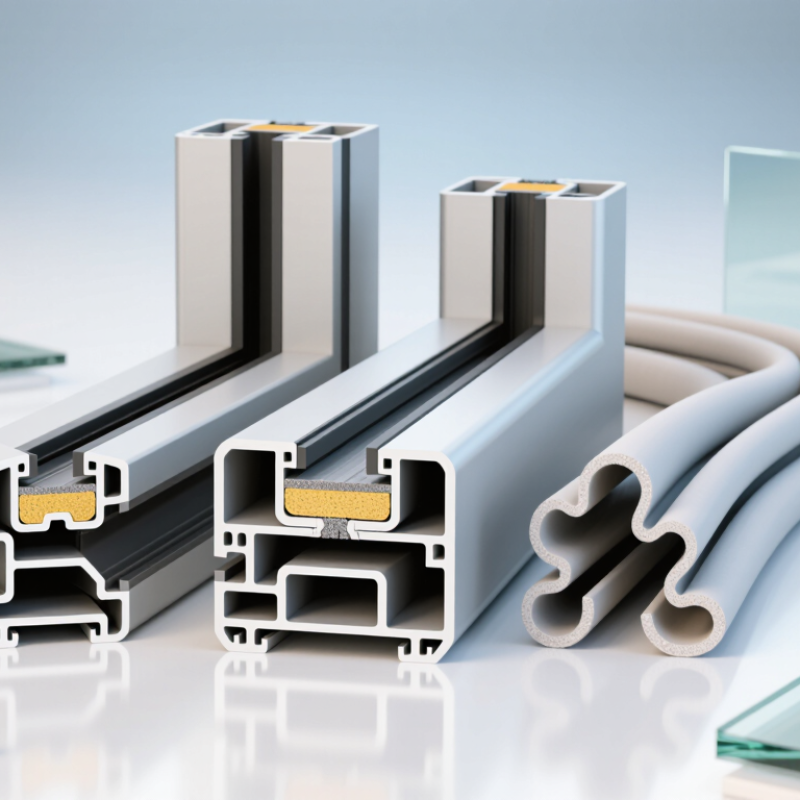
| Aluminum insulating-glass spacer bar | Hollow formed profile positioned between panes in an insulating glass unit | Double- and triple-glazed windows and doors | Separates glass panes and helps define the sealed cavity; some systems accommodate desiccant to help manage moisture within the unit. | This is a glazing component rather than a fastener spacer. Thermal performance depends on the complete insulating-glass design, including the edge seal and spacer system. |



 Close