Top 10 Benefits of Tandem Cold Rolling Mill Technology?
The tandem cold rolling mill technology has significantly transformed the metal processing industry. This innovative solution allows manufacturers to achieve thinner, stronger materials with enhanced surface quality. According to a recent report by ResearchAndMarkets, the global cold rolling market is projected to reach $288 billion by 2025. Such growth highlights the rising importance of tandem cold rolling mills in modern manufacturing.
tandem cold rolling mills are designed to improve efficiency and reduce energy consumption. For example, they can achieve production speeds up to 80% faster than traditional methods. These mills utilize multiple rolling stands, maximizing output and minimizing waste. However, the complexity of managing these systems can introduce challenges, particularly in maintenance and operational standards.
Despite the advantages, it is crucial to reflect on the limitations of tandem cold rolling technology. Not all materials are suitable for this process, and the initial investment is high. Moreover, the market demands continuous innovation, putting pressure on manufacturers to adapt rapidly. In this dynamic environment, understanding the benefits of tandem cold rolling mills is essential for industry players aiming for sustainable growth.
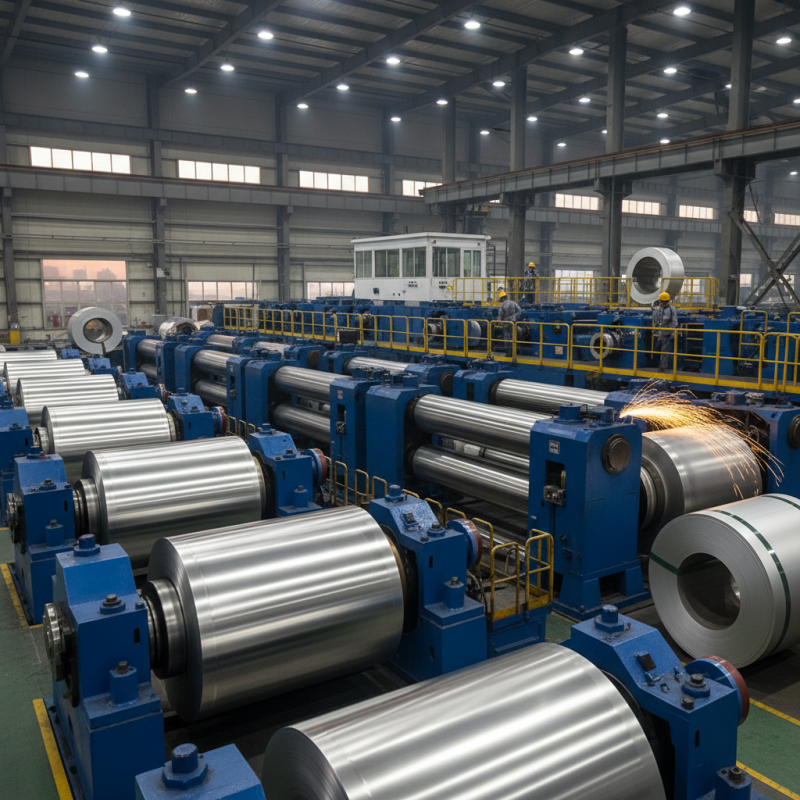
Advantages of Increased Production Efficiency in Tandem Cold Rolling Mills
Tandem cold rolling mills are transforming the steel production landscape. They significantly boost production efficiency, which is essential in today’s competitive market. According to industry reports, these mills can improve output by up to 50% compared to traditional methods. This increase is largely due to the simultaneous processing of multiple steel strips, reducing idle time and enhancing overall productivity.
Implementing tandem technology also affects energy consumption. It consumes about 20% less energy per ton of steel produced. This is vital, especially with rising energy costs. Nevertheless, the conversion process is not without challenges. Operators must extensively train staff to manage advanced technologies. Without proper training, errors can occur, leading to waste.
Tip: Regular maintenance is key. Keeping machinery in check ensures consistent quality. Another advantage is the flexibility in producing various steel grades. However, this requires precise control. Capacity for a diverse product lineup can sometimes lead to quality inconsistencies if not properly managed. Achieving a perfect balance is an ongoing effort that keeps engineers and managers busy.
Reduction of Material Waste through Tandem Cold Rolling Processes
Tandem cold rolling technology significantly reduces material waste during production. This innovative process allows for continuous rolling, which minimizes offcuts. As sheets pass through multiple rollers, any excess material is reduced substantially. Less waste means more efficient resource use, which is crucial in today's manufacturing landscape.
The integration of tandem cold rolling mills can also lead to cost savings. Reducing waste lowers expenditure on raw materials. However, perfecting this process is not straightforward. Issues like misalignment or equipment wear can still occur. Such challenges necessitate ongoing adjustments and reflections on operational practices.
Moreover, the environmental impact can be profound. The decrease in waste not only conserves resources but also reduces landfill use. Still, companies must remain vigilant in monitoring their processes. Striving for optimal performance can be a complex task, requiring commitment and innovation. Balancing efficiency with sustainability remains an ongoing challenge.
Enhanced Product Quality: Surface Finish and Thickness Control Benefits
Tandem cold rolling mill technology brings significant advantages in product quality. One of the most notable benefits is the superior surface finish of the final product. Achieving a consistent, smooth texture is vital in many applications. This technique minimizes imperfections, such as scratches and pits, which can impact performance. A smoother surface enhances aesthetic appeal and provides better adhesion for coatings.
Thickness control is another key benefit. The tandem system allows for precise adjustments during the rolling process. This ensures uniform thickness across the entire width of the material. Variations in thickness can lead to waste and rework, increasing production costs. However, the tandem cold rolling mill minimizes these discrepancies. It can accommodate various materials, producing thinner and more consistent sheets. The ability to maintain thickness within tight tolerances is essential for industries like automotive and aerospace.
Despite these advantages, challenges remain. Operators must be highly skilled to manage the complexities of the system. Any miscalculation can lead to defects. Continual monitoring is necessary for optimal performance. There’s also the need for regular maintenance to avoid downtime. These aspects require investment in training and resources. Reflecting on these factors can help improve practice and ensure quality outcomes in production.
Top 10 Benefits of Tandem Cold Rolling Mill Technology
This chart illustrates the key benefits of Tandem Cold Rolling Mill Technology, focusing on enhanced product quality in terms of surface finish and thickness control.
Energy Savings and Environmental Impact of Tandem Technology Adoption
Tandem cold rolling mill technology offers significant energy savings and reduces environmental impact. By rolling coils successively, it minimizes energy use. This method improves throughput and requires less equipment space. The streamlined process leads to lower carbon emissions, making it an eco-friendlier choice.
Energy savings can be substantial. Compared to traditional methods, tandem mills consume less electricity. This efficiency translates to cost savings for manufacturers. Utilizing advanced automation also enhances energy management. Many plants report reduced energy costs after adopting this technology.
Tips: Monitor your energy consumption. Consider investing in energy-efficient machinery. Regular maintenance helps optimize performance. Evaluate your processes frequently, identifying areas for improvement. Embracing tandem technology can lead to lasting benefits, but it's crucial to measure its impact regularly. The transition may present challenges, but the long-term rewards can be significant.
Top 10 Benefits of Tandem Cold Rolling Mill Technology
| Benefit | Description | Impact |
| Energy Efficiency | Reduced energy consumption compared to conventional methods. | High |
| Material Utilization | Maximized use of raw materials with minimal scrap production. | Medium |
| Reduced Carbon Footprint | Lower greenhouse gas emissions through improved efficiencies. | High |
| Lower Operating Costs | Decreased maintenance and labor costs associated with operation. | Medium |
| Improved Product Quality | Higher precision and better surface finish on rolled products. | High |
| Flexible Production | Ability to produce a variety of products in different thicknesses. | Medium |
| Shorter Lead Times | Faster production cycles leading to quicker delivery times. | High |
| Enhanced Safety | Automation and improved processes reduce risks associated with manual operations. | Medium |
| Sustainability | Favorable environmental policies promoting the use of green technology. | High |
| Competitive Advantage | Stay ahead in the market by adopting advanced technologies. | High |
Improved Flexibility and Versatility in Steel Processing with Tandem Mills
Tandem cold rolling mills enhance flexibility and versatility in steel processing. This technology allows for continuous thickness reduction, adjusting to varying steel grades efficiently. According to a market analysis report, tandem mills can achieve up to a 30% increase in production efficiency compared to traditional methods.
The ability to quickly switch between different product specifications is a significant advantage. For instance, plants can produce thin sheets for automotive applications and thicker plates for construction. This adaptability means manufacturers can respond faster to market demands. However, resources must be allocated for maintenance and training. A lack of skilled operators can undermine the benefits.
Operational flexibility comes with challenges. Not all mills can handle diverse steel grades seamlessly. Some may struggle with product consistency. Overcoming these issues requires ongoing investment in technology and workforce development. This reflects a need for continuous improvement in the industry.



 Close
Close 
