Top Billing Cash Counter Solutions for Global Buyers?
The global market for Billing Cash Counters is witnessing impressive growth, driven by the rising demand for efficient financial transactions. According to a recent industry report by MarketsandMarkets, the market is projected to reach USD 1.2 billion by 2026, with a compound annual growth rate (CAGR) of 8.5%. As businesses seek to streamline their cash management processes, advanced solutions are becoming essential.
Renowned expert in cash management technology, Dr. Emily Foster, states, "Implementing a reliable Billing Cash Counter can significantly reduce human error and increase operational efficiency." Her insights highlight the importance of investing in cutting-edge technology. Today's cash counting machines offer a range of features, including counterfeit detection and fast processing speeds, which are crucial for businesses handling large volumes of cash.
However, while advancements are remarkable, potential users must also consider evolving challenges. For instance, not all solutions are compatible with existing systems. Businesses may face integration issues or ongoing maintenance costs. Evaluating the true value of a Billing Cash Counter requires careful analysis. Understanding your business's unique needs and how these machines fit into your operations is essential for making the right choice.
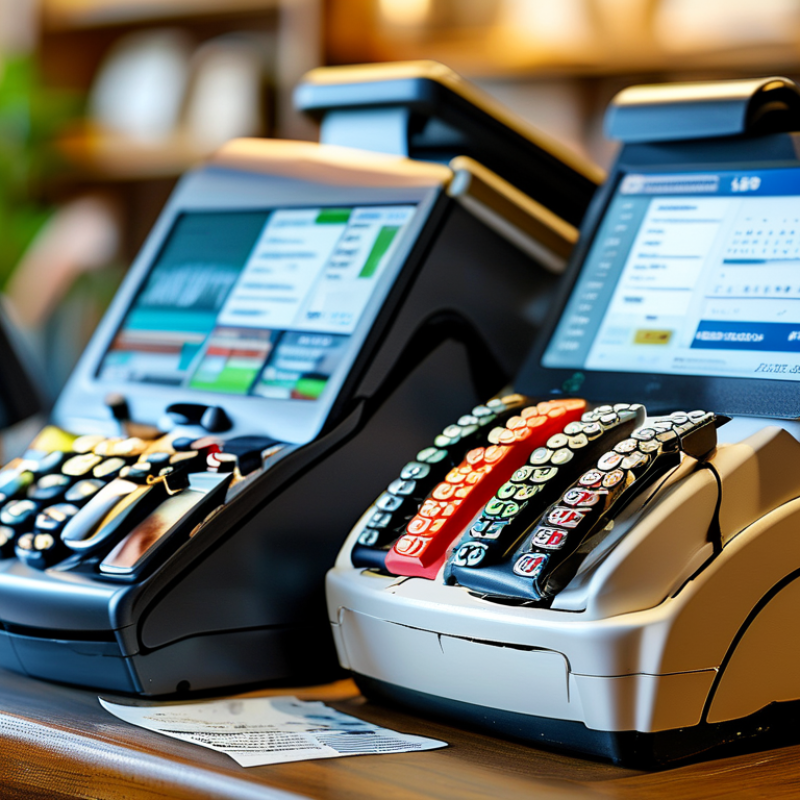
Key Features of Cash Counter Solutions for Global Customers
When considering cash counter solutions, global buyers should focus on key features. Key attributes include speed, accuracy, and ease of use. A reliable cash counter should handle various currencies effectively. Buyers should opt for machines that offer quick batch processing. This can significantly reduce transaction times.
Tips: Look for models with customizable settings to accommodate different currencies. It’s essential to check user reviews to ensure reliability. Buyers should also consider after-sales support and warranty options.
Another critical aspect is the security features. Advanced technology helps detect counterfeit notes. Look for solutions with built-in counterfeit detection systems. This ensures that your business remains secure. Yet, sometimes these features can be too sensitive. They might misidentify legitimate notes as counterfeit. Regular calibration can help resolve these issues.
Tips: Regular training for staff on operational protocols is crucial. This can help minimize user errors. Monitoring the performance of cash counters regularly is essential for continuous improvement. Consider user feedback for future upgrades.
Top Billing Cash Counter Solutions for Global Buyers
| Feature | Description | Importance | Price Range |
| Counting Speed | Ability to count coins and notes quickly | High | $100 - $500 |
| Anti-Fraud Detection | Features to detect counterfeit bills | Critical | $200 - $700 |
| User Interface | Ease of use with clear display | Moderate | $150 - $600 |
| Multi-Currency Support | Ability to recognize various currencies | High | $300 - $800 |
| Portable Design | Compact and easy to carry | Moderate | $100 - $400 |
Market Trends: Growth of Cash Transaction Automation in Retail
The shift towards cash transaction automation in retail is more than just a trend; it reflects profound market changes. Many retailers are investing in advanced cash handling solutions to enhance efficiency. This investment aims to streamline operations and reduce human error. Cash counters now incorporate sophisticated technology, allowing for quick transactions and improved accuracy.
As retailers automate cash management, they face challenges. Integration with existing systems can be complex. Many employees need training to adapt to new technologies. These issues highlight the importance of thoughtful implementation. Retailers must evaluate their specific needs carefully. Every solution isn't suitable for every store. It’s crucial to consider the unique environment and customer base.
Industry experts emphasize the growing consumer preference for speed and reliability. In an era where convenience is paramount, customers favor systems that enhance their shopping experience. While automation brings benefits, businesses must remain vigilant. They should continuously assess both the technology and their employees' readiness. This reflection ensures that automation proves a true asset in the evolving retail landscape.
Comparative Analysis of Leading Cash Counter Technologies
In the world of cash handling, choosing the right counter technology can make a significant difference. Various solutions exist to meet different needs. Some counters excel at speed, while others focus on accuracy and security. Understanding the distinct features of each can help businesses streamline operations.
Tips: Look for counters with multi-denomination sorting. This feature enhances efficiency and accuracy during cash handling.
Additionally, consider durability and ease of use. Some models may appear advanced but can be complicated for staff. Simplicity often leads to better performance in a busy environment. Frequent training may be necessary to keep teams updated. Regular assessments of your cash counter's performance can highlight areas for improvement.
Tips: Regularly review user feedback. This can reveal unseen challenges and give insights into future needs.
Choosing the right cash counter is an investment in your operational efficiency. Take the time to analyze which technology aligns with your specific requirements. All options should undergo critical evaluation based on your unique business context. Prioritize selecting a counter that can adapt as your needs evolve.
Cost-Benefit Analysis: Investing in Cash Counters for Businesses
Investing in cash counters can significantly enhance operational efficiency for businesses. A recent industry report indicates that 70% of businesses experience improved cash handling accuracy after adopting automated cash counter solutions. This means fewer human errors and increased trust in financial transactions. Additionally, automated systems can streamline the cash management process, reducing time spent on manual counting.
While the initial investment may seem high, the long-term benefits are substantial. A cost-benefit analysis by a leading financial consultancy showed that companies can recoup their investment within the first two years. These savings are linked to decreased labor costs and error-related losses. With cash theft and discrepancies often resulting in heavy losses, implementing robust cash counter solutions can mitigate these risks.
However, businesses should carefully evaluate their specific needs before purchasing. Factors like transaction volume and existing cash management practices play critical roles. Some businesses have invested without thoroughly assessing their requirements, leading to underutilized systems. Addressing these gaps can ensure that the investment is both effective and justifiable in a competitive market.
Future Innovations in Cash Counter Solutions for Enhanced Efficiency
The cash counter solutions of the future are bringing exciting innovations to enhance efficiency. With the rise of digital transactions, traditional cash handling is evolving rapidly. Advanced sensors and AI technologies are being integrated into cash counters. This allows for faster, more accurate coin and bill recognition. Such developments can reduce human error, which is often costly in retail environments.
However, while automation is beneficial, there are challenges to consider. Not all cash counter systems are user-friendly. Employees may require additional training to adapt to new technologies. Additionally, issues with software and hardware can lead to downtime. It's essential for businesses to evaluate the total cost of ownership. Investing in high-tech solutions must also consider maintenance and support.
Another noteworthy trend is the development of data analytics capabilities. Modern cash counters can gather insights on cash flow trends. This can aid businesses in managing inventory and predicting customer behavior. Yet, the reliance on data brings risks. Data security concerns are paramount, as breaches can damage trust. Thus, companies need to balance innovation with the necessary safeguards to protect sensitive information.



 Close
Close