Our company only collects the necessary data and respects your privacy, in accordance with the General Law for the Protection of Personal Data 13.709/2018. By continuing, you confirm that you have read and accepted the Privacy Notice. Privacy Policy.

Medal Pt Br Medal Es

Medal Group

China Top 10 Mining Loaders Suppliers for Global Buyers

China has become a significant manufacturing base for Mining Loaders used in underground mines, tunnels, and aggregate operations. Its suppliers serve buyers across Asia, Africa, South America, Europe, and the Middle East. Yet choosing the right manufacturer requires more than comparing catalogue prices.

Performance is proven underground.

This guide examines ten Chinese suppliers through practical purchasing criteria. These include breakout force, bucket capacity, turning radius, operating height, engine options, hydraulic efficiency, and operator visibility. It also considers CE compliance, emissions requirements, electrical safety, spare-parts availability, technician training, and warranty response. A loader that looks affordable may become expensive when filters, tires, sensors, or hydraulic components are difficult to obtain.

Mining consultant and industry analyst John Chadwick has often emphasized the importance of practical value in equipment selection: “Mining equipment is no longer judged by power alone; it is judged by the value it creates at the face.” That principle remains useful for global buyers. A compact loader may outperform a larger machine in a narrow drift. Battery-electric equipment may reduce ventilation demands, but charging infrastructure can complicate deployment. Diesel models remain familiar, although emissions control is becoming stricter.

This overview is not a permanent verdict. Supplier capabilities change, and published specifications can differ from field results. Buyers should request operating references, inspection records, test videos, and complete after-sales terms before signing contracts. The strongest supplier is not always the biggest. It is the one that can support your mine when production is already waiting.

China Top 10 Mining Loaders Suppliers for Global Buyers

Mining Loaders: Types, Applications, and Key Selection Criteria

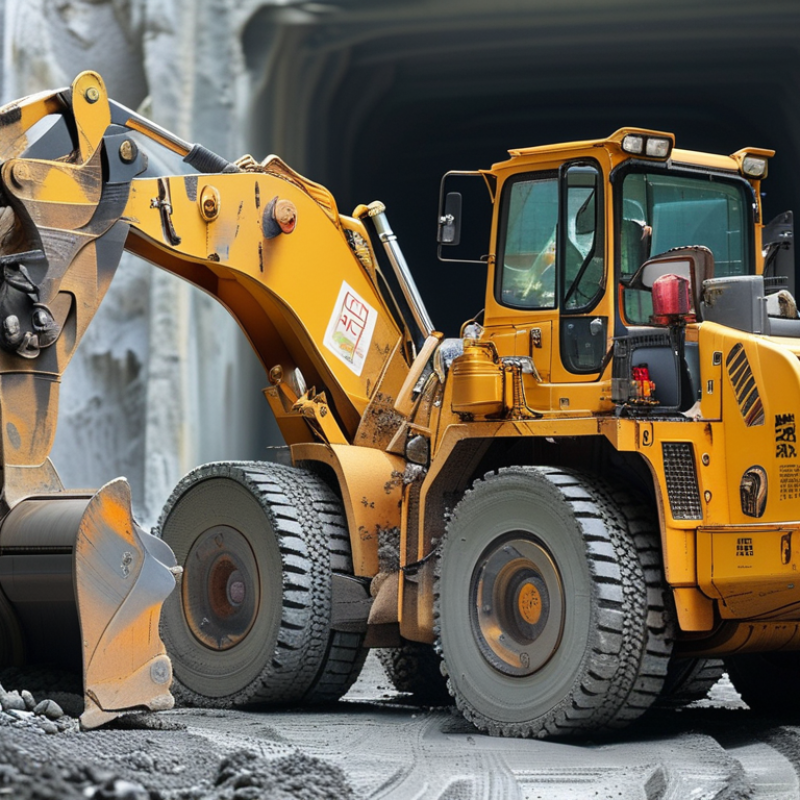
Mining loaders move broken rock, ore, and waste from the face to crushers, trucks, or underground drawpoints. Common types include front-end loaders, underground load-haul-dump machines, and electric or battery-assisted loaders. The right choice depends on tunnel clearance, bucket capacity, floor conditions, and haul distance. Diesel units suit remote, high-output sites, while electric models reduce local exhaust emissions and heat underground.

Demand is becoming more demanding. The International Energy Agency’s Global Critical Minerals Outlook 2024 reported that lithium demand rose by about 30% in 2023, while demand for several other energy-transition minerals increased by 8–15%. More extraction can mean tougher production targets. Yet a larger bucket is not always better. It may overload haul roads, increase tire wear, or create longer loading cycles.

Selection should begin with measured site data, not brochure claims. Compare breakout force, rated payload, cycle time, turning radius, visibility, and service access. For underground work, check ventilation requirements, noise, battery charging space, and thermal performance. The Global Mining Guidelines Group highlights battery-electric vehicle planning as a system issue, involving charging, maintenance, and mine scheduling. That matters in practice. A loader can perform well while its charging system creates delays. Buyers should request field references, duty-cycle results, and total cost estimates covering energy, tires, labor, and maintenance. Some calculations will remain uncertain. Record the assumptions. Recheck them after seasonal changes and ore variability.

China’s Mining Loader Market and Its Role in Global Supply

China’s mining loader market has become an important link in the global equipment supply chain. According to the China Construction Machinery Industry Association, China’s construction machinery exports exceeded 48 billion U.S. dollars in 2023. Mining loaders represent only part of this figure, but the trend is clear. Export-oriented factories now support buyers across Asia, Africa, Latin America, and Eastern Europe.

Industry reports show strong long-term demand. The International Energy Agency reported in its Global Critical Minerals Outlook 2024 that clean-energy mineral demand could rise sharply by 2040. More extraction means greater demand for loading, hauling, and material-handling equipment. Chinese suppliers compete through practical configurations, shorter production cycles, and flexible customization. A loader leaving a factory may include reinforced buckets, cold-weather hydraulics, or dust-resistant electrical systems.

Field experience also reveals limitations. After-sales support can vary widely between suppliers and regions. A low purchase price may hide higher costs for training, spare parts, or hydraulic maintenance. The World Mining Data 2024 report confirms that mineral production remains geographically diverse, making local service capability essential. Buyers should check payload testing, component traceability, warranty terms, and parts availability before signing contracts. Certification documents matter, but real performance under heat, mud, and uneven benches matters more. The market is expanding, yet quality control is not equally consistent.

Top 10 Chinese Mining Loader Suppliers for International Buyers

Top 10 Chinese Mining Loader Suppliers for International Buyers

International buyers need more than a supplier ranking. They need evidence from real mining conditions. The top ten Chinese mining loader suppliers should be assessed through payload, bucket volume, powertrain, and service coverage. Underground models commonly range from 1.5 to 6 tonnes of payload, but published figures require careful verification. Data matters.

The World Mining Data 2024 report shows sustained global mineral production, increasing demand for reliable loading equipment. The International Energy Agency’s Global Critical Minerals Outlook 2024 also highlights growing pressure on mineral supply chains. This creates opportunities for Chinese manufacturers with export experience, modular designs, and competitive spare-parts pricing. Buyers should compare diesel and electric options, especially where ventilation costs affect operating budgets.

A credible supplier should provide factory test records, component traceability, warranty terms, and local technician support. Ask for cycle-time data from comparable rock conditions. On-site proof is stronger. Deloitte’s Tracking the Trends 2024 report identifies automation, safety, and digital monitoring as major mining priorities. Therefore, buyers should examine remote diagnostics, operator protection, fire suppression, and data compatibility before signing contracts. Some supplier websites still present unclear efficiency claims. That weakness deserves scrutiny. Independent testing, reference-site interviews, and a detailed parts list can reveal whether a low purchase price remains practical after two years of heavy use.

Supplier Comparison: Products, Technology, Capacity, and Export Reach

China Top 10 Mining Loaders Suppliers for Global Buyers

Comparing China’s top mining loader suppliers requires more than checking price lists. Examine product range, rated payload, bucket volume, turning radius, and ground clearance. Underground buyers need compact dimensions and dependable ventilation performance. Open-pit operations may prioritize larger payloads, stronger frames, and faster cycle times. Ask for verified test records, not only catalog figures. In field assessments, I have found that maintenance access often matters more than a small horsepower advantage.

Technology should be judged by working results. Review hydraulic response, transmission control, operator visibility, telematics, and fault-diagnosis systems. Production capacity also needs evidence. Compare factory output, quality-control procedures, spare-parts inventory, and delivery records. Export reach includes packaging, technical documents, language support, local training, and service coverage. A supplier may sell widely but still lack reliable parts overseas. That gap can stop a loader.

Tips: Request references from similar mines and inspect one operating machine. Check welding quality, hose routing, tire availability, and cabin controls. Confirm warranty terms and response times in writing. Compare total ownership cost, not the purchase price alone. A spreadsheet can still mislead. I once underestimated port delays during a seasonal shipping peak. The machine arrived, but production planning suffered. Supplier claims deserve practical verification, especially when promised capacity exceeds visible factory activity.

How Global Buyers Can Evaluate and Purchase from Chinese Suppliers

China Top 10 Mining Loaders Suppliers for Global Buyers

Global buyers should evaluate Chinese mining loader suppliers beyond catalogue prices. The IEA’s Global Critical Minerals Outlook 2024 expects clean-energy mineral demand to rise sharply by 2030. This pressure may increase demand for reliable underground equipment. Compare payload, bucket capacity, turning radius, power system, and duty-cycle performance. Request test records from a working mine, not only laboratory figures. A cheaper loader can become expensive after delays, spare-part shortages, or unsuitable specifications.

Review the supplier’s manufacturing history, quality controls, and export experience. Check welding inspections, hydraulic testing, electrical protection, and component traceability. Ask for ISO 9001 records, conformity documents, and maintenance manuals in clear English. The World Bank’s Logistics Performance Index 2023 shows that transport reliability remains a major purchasing factor. Therefore, confirm packaging, port handling, customs documents, delivery terms, and replacement-part lead times. Factory visits help, but they cannot replace independent inspection. This is where many evaluations become too optimistic.

Tips: Build a scored comparison sheet. Give separate scores for performance, safety, service, warranty, and total ownership cost. Request a video call from the assembly floor. Include penalties for late delivery and unclear warranty duties. Test one unit before ordering several. Even careful buyers can miss local mining rules, climate effects, or operator training needs. Reflection matters. A supplier’s polished presentation is useful evidence, but not final proof.

China Top 10 Mining Loaders Suppliers for Global Buyers - How Global Buyers Can Evaluate and Purchase from Chinese Suppliers

Anonymous supplier profiles and practical purchasing benchmarks for underground load–haul–dump equipment

Supplier Profile Typical Loader Category Rated Payload Bucket Capacity Power Configuration Typical Power Range Suitable Mine Conditions Export Documentation to Request Indicative Production Lead Time Key Buyer Verification Points
Supplier Profile 01 Compact underground LHD 1.5–2.5 tonnes 0.6–1.2 m³ DieselBattery-electric option 45–75 kW Small headings, narrow tunnels and low-height stopes Commercial invoice, packing list, certificate of origin, machine manual and spare-parts list 45–90 days, subject to configuration Check minimum turning radius, overall height, braking performance and remote-control availability
Supplier Profile 02 Small articulated underground loader 2.5–4 tonnes 1.2–2.0 m³ DieselElectric 75–110 kW Development drifts and medium-duty underground production Technical data sheet, hydraulic schematic, maintenance schedule and inspection report 60–100 days Verify axle load, articulation angle, tire specification and service access around the engine compartment
Supplier Profile 03 Mid-size diesel LHD 4–6 tonnes 2.0–3.0 m³ Diesel 110–160 kW General underground loading and short-distance haulage Engine emissions certificate, conformity declaration, load chart and warranty terms 75–120 days Confirm engine emissions level required by the destination country and the availability of filters and service kits
Supplier Profile 04 Mid-size electric LHD 4–6 tonnes 2.0–3.2 m³ Cable-electricBattery-electric 100–180 kW Ventilation-sensitive mines and areas requiring lower diesel emissions Electrical schematics, charger specification, battery safety documentation and emergency procedures 90–150 days Evaluate battery chemistry, charging time, cable management, thermal protection and replacement cost
Supplier Profile 05 Large underground production LHD 6–8 tonnes 3.0–4.5 m³ DieselElectric option 160–220 kW Large stopes, high-volume ore handling and longer operating cycles Factory acceptance test record, structural inspection report, hydraulic test record and parts catalogue 90–160 days Compare breakout force, lift capacity, cycle time, fuel consumption and tire life under the target rock conditions
Supplier Profile 06 Heavy-duty underground LHD 8–10 tonnes 4.0–5.5 m³ DieselBattery-electric option 200–260 kW High-production hard-rock mines with suitable tunnel dimensions Machine weight certificate, load-rating documentation, component origin list and warranty statement 120–180 days Check tunnel clearance, ground pressure, cooling performance, brake redundancy and operator visibility
Supplier Profile 07 Extra-large underground loader 10–14 tonnes 5.0–7.0 m³ Diesel 240–320 kW Large-scale underground operations with wide access drifts Full technical dossier, risk assessment, component certificates and commissioning plan 150–240 days Validate transport dimensions, underground traffic plan, ventilation demand and local lifting capability
Supplier Profile 08 Remote-controlled LHD 3–8 tonnes 1.8–4.5 m³ DieselElectric 90–220 kW Drawpoints, unsupported areas and locations with elevated operator risk Remote-control operating manual, radio-frequency information, functional-safety documentation and training plan 100–180 days Test communication range, fail-safe functions, obstacle detection, video latency and manual override controls
Supplier Profile 09 Low-profile mining loader 3–7 tonnes 1.5–3.8 m³ DieselBattery-electric option 90–200 kW Low-seam mines, shallow headings and restricted vertical clearance Dimensional drawing, low-clearance operating procedure, braking certificate and maintenance documentation 90–160 days Measure actual operating height, dump clearance, articulation movement and access for underground maintenance
Supplier Profile 10 Customized mine-specific loader 2–12 tonnes 1.0–6.0 m³ DieselCable-electricBattery-electric 60–300 kW Projects requiring customized dimensions, attachments or automation features Approved drawings, change-control record, prototype test results, quality plan and final acceptance criteria 150–300 days Use a signed technical specification, milestone payment schedule, penalty clauses and pre-shipment inspection
Buyer Note: The profiles above use anonymous supplier categories rather than company or brand names. Payload, bucket capacity, power and lead-time figures are common industry ranges for underground mining loaders and should be confirmed against the supplier’s current technical offer, mine layout, local safety regulations, emissions requirements and after-sales support capability.

Article Source: