China Top Pyro Gasket Manufacturers for Global Buyers
Choosing a reliable Pyro Gasket manufacturer requires more than comparing prices, product photos, or delivery promises. Global buyers need evidence of material quality, dimensional accuracy, fire resistance, and production consistency. A gasket may look simple on a workbench. Inside a flange, however, it faces heat, pressure, vibration, chemicals, and repeated maintenance cycles.
Dr. Elena Morris, a sealing engineer with experience in industrial gasket development, says, “A gasket is small, but its failure can interrupt an entire operation.” This practical view matters when evaluating China’s leading Pyro Gasket manufacturers. Strong suppliers should explain their graphite, mica, ceramic, metal, or composite materials clearly. They should also provide inspection records, traceability details, pressure ratings, and realistic temperature limits. Laboratory reports help, but they do not replace factory experience.
This guide introduces manufacturers serving international buyers across energy, chemical processing, power generation, marine equipment, and industrial machinery. It considers engineering support, customization, export experience, packaging, communication, and after-sales service. Small details matter. Clean sealing surfaces matter. Correct bolt loading matters. Storage conditions matter too.
No supplier is perfect. Some companies advertise broad capabilities but offer limited technical documentation. Others produce excellent parts but respond slowly to drawings or specification changes. That gap deserves attention. The right partner combines dependable production with honest technical advice, especially when a Pyro Gasket must fit unusual dimensions or demanding operating conditions. This overview aims to make that comparison clearer, more practical, and easier to verify.
Pyro Gasket Basics and Their Industrial Applications
Pyro Gasket Basics and Their Industrial Applications
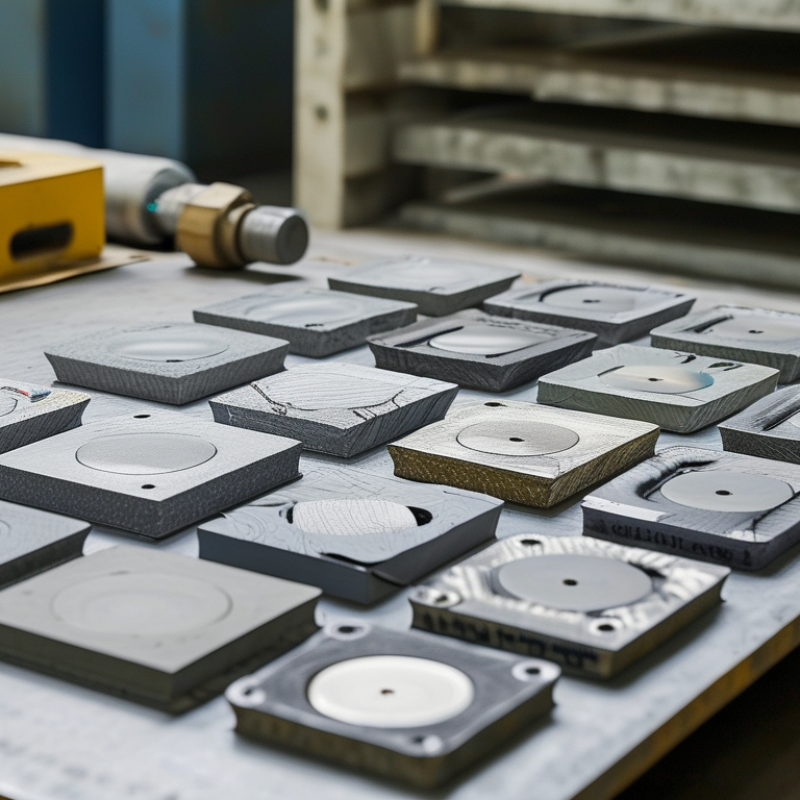
A pyro gasket is a sealing component built for intense heat, pressure, vibration, or thermal cycling. Its exact meaning can vary between suppliers. Confirm the construction before comparing prices. Common materials include graphite, mica, ceramic fiber, stainless steel, and layered metal composites. Each material handles heat differently. Some resist oxidation well, while others maintain strength under compression.
In industrial settings, pyro gaskets support furnace doors, exhaust manifolds, boilers, heat exchangers, and high-temperature pipe flanges. They also appear in power generation and selected chemical processing equipment. During installation, technicians should inspect flange surfaces, bolt condition, compression limits, and gasket alignment. A clean sealing face matters. Even a premium gasket can fail against a warped flange or uneven tightening.
Global buyers often request dimensional drawings, temperature ratings, pressure data, material certificates, and batch traceability from Chinese manufacturers. Practical testing should match the real service environment, not only laboratory figures. Thermal expansion can loosen fasteners over time. This detail is sometimes overlooked. In my experience, gasket selection becomes more reliable when buyers share operating temperature, media, pressure, flange type, and maintenance conditions. No gasket is perfect. A slightly higher material cost may prevent repeated shutdowns, but only when the specification reflects actual use.
China’s Pyro Gasket Manufacturing Landscape
China’s pyro gasket manufacturing landscape is broad, practical, and uneven. Suppliers range from small machining workshops to export-focused plants with dedicated sealing laboratories. Most serve high-temperature equipment, thermal processing lines, engines, and industrial exhaust systems. Materials may include graphite, mica, ceramic fiber, metal, or layered composites. Selection depends on temperature, pressure, flange movement, and chemical exposure. A gasket suited to a furnace may fail on a vibrating exhaust joint. Fit matters greatly.
Experienced buyers examine more than product catalogs. They request material certificates, dimensional reports, compression data, recovery results, and leakage records. Factory visits can reveal important details: clean cutting tables, controlled storage, calibrated presses, and traceable batch labels. Some manufacturers offer custom dies and small trial orders, helping when flange drawings change. Others rely heavily on subcontracted cutting, which may create uneven edges or thickness. That risk is easy to miss.
Reliable sourcing requires clear drawings and service conditions. State peak temperature, bolt loads, media, surface finish, and expected service hours before requesting quotations. Ask how samples are tested and how rejected batches are handled. Export experience helps, but it cannot replace technical verification. A polished report may still hide weak compression control. Even a careful sourcing plan can overlook a small dimensional error. A few millimeters may decide whether a hot joint remains stable.
Key Criteria for Evaluating Chinese Manufacturers
Selecting top pyro gasket manufacturers in China requires more than comparing unit prices. Buyers should verify material control, engineering competence, and evidence from production. Request certificates for graphite, mica, ceramic fiber, stainless steel, or other specified materials. Check batch numbers, density, temperature limits, pressure ratings, and chemical compatibility. A useful supplier should provide dimensional reports and test records for each production lot.
The 2022 ISO Survey recorded more than 1.2 million ISO 9001 certificates worldwide. Yet certification alone proves little about gasket performance. Audit the actual factory, not only the document package. Observe cutting, winding, compression, heat treatment, cleanliness, and final inspection. Ask whether operators follow controlled work instructions. Request a sample before approving mass production. Small details matter.
China ranked 19th in the World Bank Logistics Performance Index 2023, with a score of 3.7 out of 5. This supports strong export capability, but delivery reliability still varies between factories. Evaluate packaging, moisture protection, spare tooling, and response time for nonconforming parts. Traceability should reach the raw-material heat number. It should not stop at the carton.
I would also compare prototype results against the final drawing. This step is often missed. A perfect sample may hide unstable process control. Buyers should review corrective-action records, inspection equipment calibration, and independent test data. Some suppliers may resist these questions. That resistance is useful evidence.
Leading China Pyro Gasket Manufacturers for Global Buyers
Leading China pyro gasket manufacturers serve global buyers with high-temperature sealing solutions for industrial equipment, exhaust systems, furnaces, and thermal processing lines. Experienced manufacturers typically work with graphite, mica, ceramic fiber, metal, and composite materials. The right structure depends on temperature, pressure, media, flange design, and installation conditions.
Material selection comes first. A reliable factory should explain why one gasket suits a specific application. It should also provide dimensional tolerances, temperature guidance, compression data, and inspection records. Ask for sample testing. Ask for traceability. Production controls may include CNC cutting, die forming, surface inspection, and batch verification. Details matter.
Leading suppliers also understand export requirements. They can prepare clear drawings, protective packaging, technical documents, and stable production schedules. Communication is important when measurements change across equipment models. A polished catalog is not proof of technical ability. Some manufacturers may overstate temperature resistance or service life. Buyers should compare test evidence, not promises. No factory gets every project right. Even a capable supplier may need feedback after the first installation. Careful evaluation, practical samples, and transparent discussions help global buyers reduce sealing failures and select a China-based manufacturer with dependable engineering support.
Quality Control, Customization, and Export Capabilities
China’s leading pyro gasket manufacturers serve demanding buyers in heat, pressure, and vibration-sensitive applications. Quality control starts with traceable raw materials, not final inspection. Suppliers should record rubber or graphite batches, metal thickness, curing temperature, and compression results. ISO 9001 certification supports process discipline, while ASTM F37 testing measures gasket compressibility and recovery. These details matter.
According to the International Organization for Standardization’s 2023 ISO Survey, more than one million ISO 9001 certificates were reported worldwide. Certification alone proves little. Buyers should request calibration records, inspection plans, material certificates, and sample test results. A 2024 MarketsandMarkets report also identifies rising demand for sealing solutions in energy, transportation, and process industries. The market is expanding.
Customization separates capable exporters from simple traders. Experienced factories can adjust inner diameter, bolt-hole patterns, thickness, coating, and reinforcement. They should provide drawings before production. Small changes matter. Poor flange alignment can cause early leakage. I have seen specifications copied incorrectly, so drawing approval needs human review, not only software checks. Export reliability also depends on moisture-safe packaging, clear labeling, stable lead times, and complete commercial documents. Global buyers should audit communication quality as carefully as production quality.
China Top Pyro Gasket Manufacturers for Global Buyers
Quality Control, Customization, and Export Capabilities
This indicative buyer-evaluation model highlights the main factors used when assessing pyro gasket manufacturers for international sourcing. Quality control receives the highest weighting, followed by customization and export readiness. The figures represent evaluation priorities rather than data from any specific company or brand.



 Close
Close