Top 10 CO2 Sensors for Accurate Air Quality Monitoring?
Air quality is essential for health and well-being. Monitoring carbon dioxide levels plays a vital role in ensuring safe environments. The right Co2 Sensor is crucial for accurate readings. With increasing indoor air pollution, selecting a reliable sensor becomes more urgent.
Many people overlook the significance of CO2 sensors. They may assume that fresh air is always present. However, high CO2 levels can lead to discomfort and cognitive decline. Identifying the best CO2 sensor can help prevent these issues. A quality device offers precise measurements and timely alerts. Technologies vary, but understanding these differences is key for effective monitoring.
In this article, we explore the top 10 CO2 sensors available today. Each option is reviewed based on accuracy, reliability, and user feedback. We recognize that not every sensor is perfect. Some may require calibration or have limitations in specific environments. However, being informed allows for better choices, enhancing air quality for everyone. Ultimately, investing in a good CO2 sensor is a step toward safer indoor spaces.
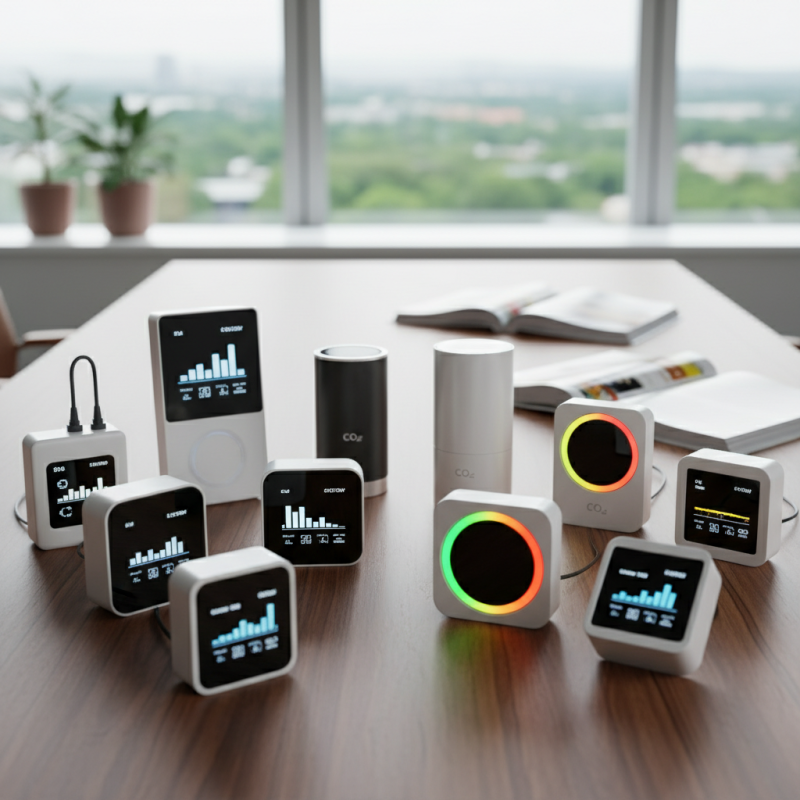
Importance of CO2 Sensors in Air Quality Monitoring
Monitoring air quality is crucial for health and well-being. CO2 sensors play a significant role in this process. Elevated CO2 levels can indicate poor ventilation and unhealthy indoor environments. When people breathe in high concentrations, they face risks, including fatigue and diminished cognitive function.
Accurate readings from CO2 sensors allow us to make informed decisions. They help regulate ventilation in spaces like schools or offices. Yet, not all sensors deliver the same accuracy. Some may struggle with calibration over time. Regular maintenance is essential to ensure reliable data.
Using CO2 sensors also raises questions about data interpretation. Understanding how to act on the readings can be challenging. For example, high levels might require immediate action, such as increasing airflow. Alternatively, small fluctuations may not warrant concern. Users must consider context and trends to make practical adjustments. Balancing technology use with adequate understanding is vital for effective air quality management.
Key Features to Look for in CO2 Sensors
When selecting a CO2 sensor, key features play a critical role in ensuring accurate air quality monitoring. Look for devices that offer real-time data. Instant feedback allows users to respond quickly to fluctuating CO2 levels. Some sensors utilize advanced infrared technology. This method boosts accuracy by measuring the absorption of light in different gases.
Consider the sensor's range and calibration options. A broad measurement range ensures it can detect both low and high CO2 concentrations. Calibration is important. Sensors that require manual calibration can lead to inaccuracies. Automatic calibration features simplify this process, enhancing reliability.
Portability is another factor to keep in mind. If you plan to move the sensor frequently, opt for a lightweight model. Battery life is crucial too. A short battery span can be distracting. Lastly, pay attention to the user interface. A clear display makes it easier to interpret the readings. These features can significantly impact your air quality management efforts.
Top 10 CO2 Sensors for Accurate Air Quality Monitoring
| Sensor Model | Measurement Range (ppm) | Accuracy (%) | Response Time (s) | Connectivity | Power Supply |
| Model A | 0-5000 | ±3% | 15 | Wi-Fi, Bluetooth | USB Rechargeable |
| Model B | 0-3000 | ±5% | 20 | Wi-Fi | Battery Operated |
| Model C | 0-2000 | ±4% | 10 | Bluetooth | AC Power |
| Model D | 0-5000 | ±2% | 30 | Wi-Fi, Ethernet | USB Rechargeable |
| Model E | 0-5000 | ±1.5% | 25 | Bluetooth, Mobile App | Battery Operated |
| Model F | 0-4000 | ±3% | 18 | Wi-Fi | AC Power |
| Model G | 0-6000 | ±2% | 22 | Ethernet | USB Rechargeable |
| Model H | 0-3000 | ±4% | 17 | Bluetooth | Battery Operated |
| Model I | 0-5000 | ±3% | 20 | Wi-Fi, Mobile App | AC Power |
| Model J | 0-6000 | ±2.5% | 22 | Ethernet, Bluetooth | USB Rechargeable |
Top CO2 Sensors in the Market: A Data-Driven Review
In recent years, the importance of air quality monitoring has become increasingly evident. CO2 sensors are essential tools for measuring indoor air quality. Accurate readings can help us understand environmental conditions. High CO2 levels can lead to discomfort and health risks. Thus, choosing the right sensor is vital for both personal and public health.
When evaluating CO2 sensors, several factors come into play. Reliability is paramount. The sensor should provide consistent readings over time. Calibration is another key aspect. A well-calibrated device ensures accurate data, enabling effective decision-making. Additionally, user-friendly interfaces enhance the overall experience. Sensors that are easy to operate can lead to better engagement with air quality monitoring.
It's essential to reflect on the limitations of these devices. Not all sensors are created equal. Some may struggle in specific environments, leading to misleading data. Users should always consider external factors like humidity and temperature. Awareness of these variables can sharpen the accuracy of readings. Investing in high-quality CO2 sensors can ultimately improve indoor air quality and contribute to healthier living spaces.
Comparison of CO2 Sensor Accuracy and Calibration Methods
When it comes to monitoring air quality, the accuracy of CO2 sensors plays a vital role. Proper calibration methods ensure that these sensors provide reliable data. According to a report by the National Institute of Standards and Technology (NIST), even a minor error in calibration can lead to significant discrepancies in measurement.
Most CO2 sensors use two primary calibration methods: single-point and multi-point calibration. Single-point calibration is simpler, relying on a single known reference point. This method may not account for temperature and humidity variations effectively. Alternatively, multi-point calibration adjusts readings at multiple concentrations. It tends to deliver better accuracy but requires more detailed setup.
Tip: Regularly check your device to maintain accuracy. Environmental factors can change sensor sensitivity over time.
Many sensors struggle to maintain consistent accuracy over long periods. This inconsistency points to the need for regular recalibrations. In practical terms, a sensor that drifts could report air as clean when it is not. This underscores the importance of routine maintenance and comprehensive calibration practices.
Tip: Document your calibration processes. Keep records of adjustments and findings. This can help detect patterns in sensor performance over time.
Future Trends in CO2 Sensor Technology and Air Quality Solutions
As air quality concerns rise, CO2 sensors are at the forefront of technological advancement. Recent reports indicate that indoor air quality affects productivity and health. Elevated CO2 levels can lead to decreased cognitive function. A study published in the "Environmental Health Perspectives" journal shows that high CO2 concentrations correlate with reduced decision-making performance.
Innovative sensor technologies are evolving. Manufacturers are developing smaller, more sensitive devices that offer real-time data. These advancements cater to smarter building systems and promote healthier environments. The air quality monitoring market is expected to reach $5.18 billion by 2025, according to a report by "MarketsandMarkets." This reflects a growing awareness and demand for reliable air quality solutions.
However, challenges persist. Calibration of sensors often requires expertise, and their accuracy can vary. Not all devices respond equally to changes in CO2 levels. Users must remain critical of sensor performance and ensure proper maintenance. Transparency and standards in sensor technology will play essential roles in future developments.



 Close
Close