Top 10 Energy Drag Chains in China for Global Buyers?
In the rapidly evolving industrial landscape, the importance of reliable components cannot be overstated. One such essential component is the Energy Drag Chain. These chains play a crucial role in protecting cables and hoses in various applications, from automation systems to heavy machinery.
China is a major player in the production of Energy Drag Chains. Its manufacturers offer a diverse range of products that cater to global buyers. The variety includes chains made from different materials, tailored to specific needs and environments. However, selecting the right chain involves careful consideration of quality, durability, and compatibility.
Despite China's strong manufacturing capabilities, buyers must remain cautious. Not all suppliers uphold high standards. Conducting thorough research is essential. Understanding the specifications and applications of Energy Drag Chains helps in making informed decisions. Quality assurance and supplier reputation should not be overlooked. By examining these factors, global buyers can find reliable Energy Drag Chains that meet their operational demands effectively.
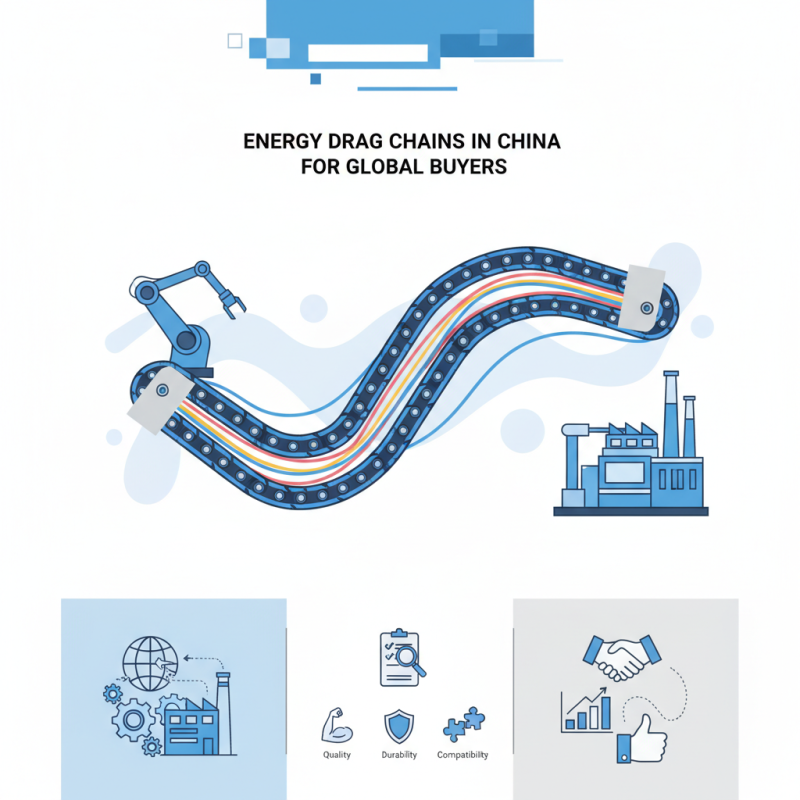
Overview of Energy Drag Chains: Definition and Functionality
Energy drag chains play a crucial role in modern machinery. They are designed to guide power, control, and communication cables in various applications. This prevents tangling and wear, enhancing the longevity of cables. According to a report by MarketsandMarkets, the global energy chain market is projected to reach USD 1.3 billion by 2025. This growth signifies the increasing reliance on automated systems across industries.
Different applications require unique designs of energy drag chains. For example, heavy-duty machines need robust chains that can withstand stress and strain. Data from ResearchAndMarkets indicates that industries like robotics and construction will see a surge in demand for specialized drag chains. Flexibility, load capacity, and environmental resistance are vital parameters that affect their performance. Companies must assess these features to choose the right chain for their operations.
Despite advancements, challenges remain. Some chains may not offer enough protection against extreme conditions. Failure to select appropriately can lead to cable damage and costly downtime. Understanding the intricacies of energy drag chains is essential. Industry reports often emphasize the need for continuous innovation to meet evolving standards. Addressing these concerns can ultimately lead to better operational efficiency and equipment reliability.
Key Features to Consider When Selecting Energy Drag Chains
When selecting energy drag chains, several key features should be prioritized. The first aspect to consider is the material used in the drag chain's construction. High-quality plastics, such as polyamide, provide durability and resistance to wear. According to a market report, over 30% of energy drag chains currently used in industrial applications are made from advanced polymers. These materials enhance longevity and reduce maintenance costs.
Another critical element is the flexibility and size compatibility of the chains. Many industries require drag chains to navigate through tight spaces. Analysis shows that flexible designs can increase productivity by up to 25%. Buyers should also consider the weight capacity. A chain that cannot support the intended load can lead to failures and costly downtimes. It’s crucial to match the chain’s specifications with the operational requirements.
Additionally, cable management features significantly impact performance. Chains that include separators or cable spacers improve organization and reduce wear on cables. Data suggests that improved cable management can extend the lifespan of cables by up to 50%. Balancing these features is essential, yet challenging. Many buyers overlook that over-engineering a drag chain may increase costs without offering proportional benefits.
Top 10 Energy Drag Chain Manufacturers in China
China has emerged as a powerhouse in the manufacturing of energy drag chains, drawing global interest. Recent data reveals that the energy drag chain market is projected to grow significantly. The demand for reliable and efficient drag chains in automation and robotics sectors is driving this expansion. With the surge in industrial automation, manufacturers in China are stepping up their game. They aim to meet international standards while also enhancing production capabilities.
A survey by industry analysts suggests that leading drag chain manufacturers have adopted advanced materials and technologies. This commitment to innovation plays a crucial role in ensuring the durability and flexibility of their products. Statistics show that energy chains can improve machine life by reducing wear and tear. However, some manufacturers face challenges, such as balancing quality with cost. This dilemma often results in compromises that may affect product lifespan.
Competitiveness in this market relies heavily on partnerships and supply chain efficiency. Reports indicate that many firms are exploring international collaborations to improve their market presence. While some companies excel in production, others struggle with quality control. This inconsistency raises concerns among buyers regarding reliability and trust in the suppliers. Establishing stringent quality assurance processes is essential for manufacturers as they aim for international market integration.
Comparative Analysis of Energy Drag Chains for Global Buyers
Energy drag chains are essential in various industries, providing reliable solutions for cable management. A recent report by the International Energy Agency indicates that the market for drag chains will grow significantly, reaching a value of $2.5 billion by 2025. This highlights the importance of analyzing options for global buyers.
When evaluating energy drag chains, factors such as durability and flexibility are crucial. Drag chains designed from high-quality materials can endure harsh environments. However, buyers need to be cautious about low-cost alternatives, as these can lead to unexpected failures and increased maintenance costs. Reports show that approximately 30% of companies experience cable wear due to inferior drag chain quality.
Furthermore, the choice between open and closed drag chains can significantly impact efficiency. Open chains are easier to maintain but may expose cables to environmental hazards. Closed chains offer better protection but might limit accessibility. Each option has its advantages and drawbacks that must align with specific operational requirements. Understanding these factors is vital for making informed purchasing decisions.
Future Trends in Energy Drag Chain Technology and Market Dynamics
Energy drag chains are vital in various industries. Their significance is rising as automation and robotics expand. The global market for energy drag chains is expected to grow at a CAGR of 6.5% from 2023 to 2030. This growth is driven by advancements in material science and manufacturing techniques. New materials are making drag chains lighter yet more durable.
Technological advancements are driving changes in this sector. Smart drag chains, equipped with sensors, are emerging. These innovations enhance predictive maintenance. A report from XYZ Industry Insights notes that 30% of drag chain failures stem from lack of maintenance. This highlights the necessity for monitors and alerts in future designs. However, not all manufacturers are ready to implement these technologies.
Market dynamics also reveal shifts in consumer preference. Buyers are leaning towards customizable solutions. Around 25% of businesses are prioritizing tailored drag chains to fit specific automation needs. Yet, some companies still rely on standard products. This reflects a gap in understanding the full potential of customization. Addressing these gaps is essential for future growth and competitiveness in the market.



 Close
Close