Top 10 Flow Controller Throttle Options for Global Buyers?
In the realm of industrial automation, the importance of selecting the right Flow Controller Throttle cannot be overstated. These devices play a crucial role in regulating fluid flow, ensuring efficiency and performance in various applications. With a plethora of options available globally, buyers face a daunting task in making informed decisions.
Each Flow Controller Throttle comes with distinct features and specifications. Understanding the differences can significantly impact operations. Some controllers offer advanced technology for precision, while others focus on cost-effectiveness. Therefore, it’s essential to assess the unique requirements of your system.
However, navigating through these choices can be challenging. There are many factors to consider, including compatibility, installation, and maintenance. Investing time in research and carefully evaluating each option is vital. This effort can lead to better performance and long-term reliability in your operations.
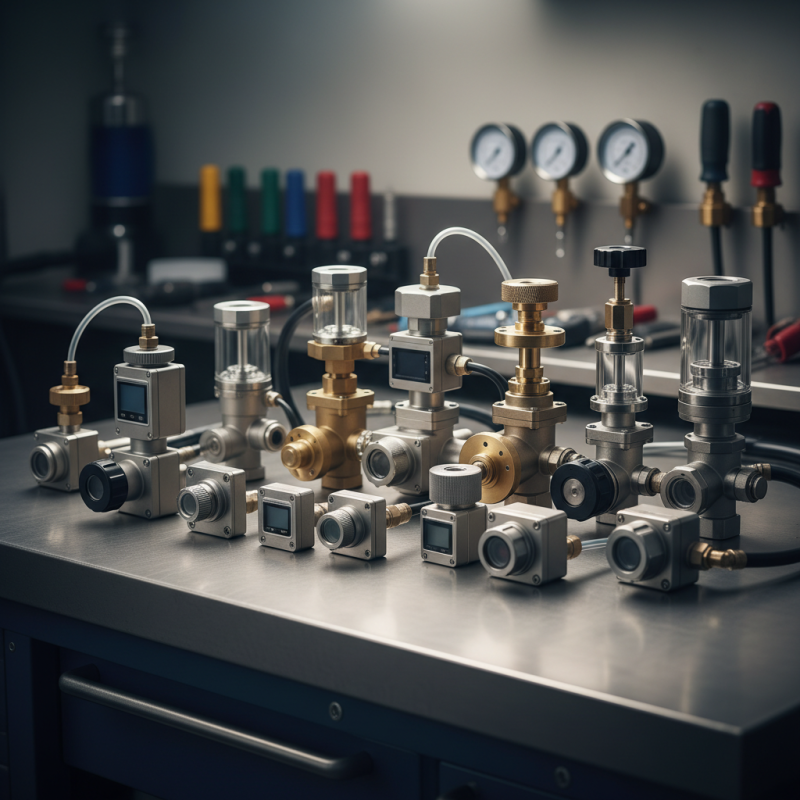
Top 10 Flow Controller Throttle Options for Global Buyers
In recent years, flow control technology has gained importance across various industries. The growth of the global flow control market is propelled by rising demand in sectors like oil and gas, water treatment, and pharmaceuticals. According to a report by MarketsandMarkets, the flow control market is expected to reach $29.3 billion by 2025, growing at a CAGR of 5.6%. This growth signals an urgent need for efficient flow controller throttle options that can cater to diverse applications.
An essential consideration in selecting flow throttle options is the compatibility with various media. Various industries require specific materials to prevent corrosion and ensure longevity. This specificity can complicate the decision-making process. A recent study highlighted that around 30% of organizations struggle with tool compatibility, which may affect operational efficiency. Ensuring the right fit can significantly improve process reliability and reduce maintenance costs over time.
Shifting focus towards digital solutions is also crucial. Industry players are increasingly adopting smart technologies to enhance flow control. These innovations promise real-time monitoring and adjustments, yet many organizations feel overwhelmed by the complexity of implementation. Research indicates that nearly 40% of interviews mentioned hesitancy toward adapting these technologies. Reflections on these challenges reveal a clear need for targeted training and support, ensuring smoother transitions to modern flow control systems.
Understanding Flow Controllers: Definition and Functionality
Flow controllers play a crucial role in managing fluid flow in various systems. They regulate the pressure and ensure a consistent flow rate. Understanding their functionality helps users select the perfect model for their needs. A flow controller can be mechanical or electronic, each offering unique advantages. A mechanical regulator is often simpler but less precise than its electronic counterpart.
Tips: Consider the environment where the flow controller will operate. Factors like temperature and pressure fluctuations can affect performance.
Incorporating flow controllers into a system requires careful planning. It’s essential to assess the specific requirements. Not all flow controllers are created equal. Variations in design, size, and functionality may lead to inefficiencies if not aligned with system needs. An unsuitable choice can lead to over-pressurization or unpredictable flow rates.
Tips: Check compatibility with existing systems. A mismatch can result in significant operational issues. Always conduct thorough research before making a decision.
Market Analysis: Global Demand Trends for Flow Control Solutions
The global demand for flow control solutions is witnessing a remarkable surge. Markets are increasingly relying on efficient flow management systems to enhance operational efficiency. According to a recent report by MarketsandMarkets, the flow control market is expected to reach USD 38.73 billion by 2026, growing at a CAGR of 5.4%. This upward trend indicates a pressing need for innovative throttle options among various industries.
The major drivers behind this demand include industrial automation and the need for precise control mechanisms. Manufacturing and chemical processing sectors are particularly keen on optimizing their fluid and gas flow processes. Furthermore, the environmental regulations are pushing companies to adopt better flow control solutions to minimize waste and energy consumption. As industries pivot towards sustainability, the need for reliable and advanced throttle options has never been more critical.
While industries are eager to adopt new technologies, challenges remain. Many organizations struggle with integrating these solutions into existing systems. Additionally, there’s a gap in real-time monitoring capabilities, limiting operational transparency. Investing in appropriate training for personnel can help bridge this gap. As demand for effective flow controllers continues to rise, companies must navigate these hurdles to fully realize the benefits.
Top 10 Flow Controller Throttle Options for Global Buyers
| No | Product Type | Material | Flow Rate (m³/h) | Operating Pressure (bar) | Temperature Range (°C) | Application |
| 1 | Ball Valve | Stainless Steel | 100 | 20 | -10 to 80 | Water Supply |
| 2 | Butterfly Valve | PVC | 80 | 10 | 0 to 60 | Chemical Processing |
| 3 | Gate Valve | Bronze | 150 | 15 | -20 to 90 | Oil and Gas |
| 4 | Check Valve | Cast Iron | 120 | 25 | -5 to 70 | Wastewater Management |
| 5 | Solenoid Valve | Brass | 50 | 8 | 0 to 80 | Irrigation Systems |
| 6 | Pressure Relief Valve | Stainless Steel | 30 | 40 | -10 to 100 | Power Generation |
| 7 | Float Valve | Plastic | 70 | 5 | 0 to 50 | Water Tanks |
| 8 | Diaphragm Valve | EPDM | 60 | 12 | -10 to 80 | Pharmaceuticals |
| 9 | Angle Valve | Brass | 20 | 7 | 0 to 60 | HVAC Systems |
| 10 | Control Valve | Stainless Steel | 110 | 15 | -20 to 90 | Process Automation |
Top Attributes to Consider When Selecting Throttle Options
When selecting flow controller throttle options, several key attributes must be considered. First, the material quality plays a crucial role. Many professionals recommend stainless steel and high-grade plastics for durability and corrosion resistance. Data from technical industry reports indicate that materials used can significantly affect product longevity, especially in harsh environments.
Another important factor is the control mechanism. Manual vs. automated controls can change the user experience. Research indicates that automated systems improve efficiency by up to 30% compared to manual adjustments. However, they may come with higher upfront costs and require more maintenance. Keep in mind that ease of installation also matters. Complicated setups can lead to operational delays.
Understanding the compatibility of throttle options with existing systems is critical. Mismatched components can lead to inefficiencies or failures. Industry studies have shown that 15% of flow-related issues stem from poor compatibility. While purchasing decisions might prioritize cost, investing in quality options can prevent future complications and costs. Reflecting on these attributes is vital for making informed decisions in the competitive flow control market.
Performance Metrics: Evaluating Efficiency and Reliability of Flow Controllers
When choosing flow controllers, efficiency and reliability are critical. Performance metrics help buyers assess how well a controller can manage fluid dynamics. A precise throttle option engages with varying flow rates. This adaptability is key for many industrial processes. It allows for smooth operation under changing conditions, enhancing overall productivity.
Evaluating a flow controller's performance involves several factors. Response times are essential. A slow reaction can lead to inefficient processes. Another factor is durability. Controllers must withstand harsh environments without failure. Reliability adds significant value. Buyers should consider the controller's material and design. Quality assurance measures impact long-term functionality.
Despite advancements, some products may fall short. Users report inconsistent performance in specific applications. This inconsistency fuels ongoing innovation in flow control technology. Buyers should remain vigilant and open to feedback. Regularly updating knowledge on market trends is beneficial. The landscape of flow controllers constantly evolves, challenging buyers to stay informed.
Conclusion
This article explores the "Top 10 Flow Controller Throttle Options for Global Buyers," providing insights into the definition and functionality of flow controllers. With an increasing global demand for effective flow control solutions, understanding the market trends becomes essential for buyers. The article highlights the crucial attributes to consider when selecting throttle options, emphasizing performance metrics that evaluate the efficiency and reliability of flow controllers.
Additionally, a comparative review of leading brands in flow control technologies assists buyers in making informed decisions. By focusing on the key features and performance standards of various flow controller throttle options, the article serves as a comprehensive guide for professionals seeking optimal flow management solutions across diverse industries.



 Close
Close