Top 10 Frame Making Machines for Global Buyers in 2026?
In the ever-evolving world of frame making, the demand for high-quality and efficient Frame Making Machine technology is increasing. Industry expert David Liu states, "The right machine can significantly impact production efficiency and output quality." As we approach 2026, global buyers must stay informed about advancements in this sector.
The Frame Making Machine industry is filled with various options, each offering unique features. Buyers often face challenges in choosing the right equipment. While some machines promise speed, others focus on precision. Evaluating these differences can be daunting.
As we present the top 10 Frame Making Machines for 2026, it's essential to consider both innovation and reliability. The right choice should balance cost-effectiveness with performance. This selection reflects current trends and addresses potential shortcomings in existing machines. Ultimately, understanding these machines can enhance your frame production processes.
Top Trends Influencing Frame Making Machine Technologies by 2026
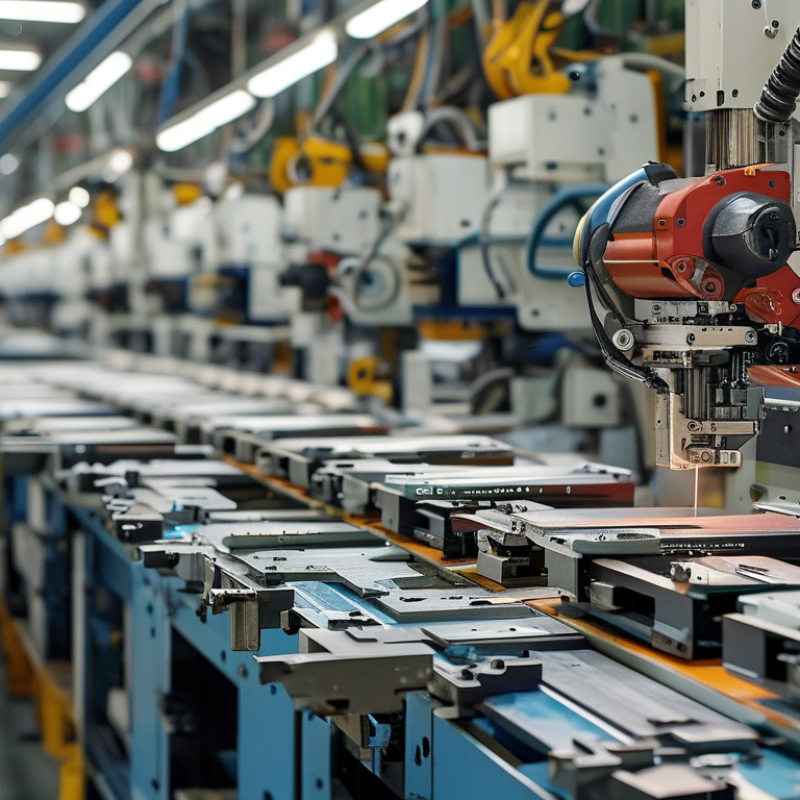
The frame making industry is evolving rapidly, driven by cutting-edge technologies and changing consumer demands. In 2026, several trends will significantly impact frame making machines. The rise of automation is a major shift. Advanced robotics will enhance precision in production. These machines will reduce human error and boost productivity. Collaboration between humans and machines will become more common.
Sustainability is another key factor. Manufacturers are increasingly prioritizing eco-friendly materials and processes. This shift reflects consumer preferences for green products. Using recycled materials in frame making will likely gain traction. Energy-efficient machines will become essential to meet regulatory standards. However, this transition may require investment and adaptation from manufacturers.
Customization is a growing demand in the frame making sector. Consumers seek personalized products that reflect their unique tastes. Frame making machines will need to adapt to small-batch production. This flexibility can challenge traditional manufacturing methods. The balance between mass production and customization will be crucial. Companies may struggle with this as they navigate costs and consumer expectations.
Market Analysis: Leading Frame Making Machine Manufacturers and Their Innovations
The frame making machine industry is evolving swiftly. Manufacturers are focusing on automation and advanced technology. Innovations in efficiency and precision define the competitive landscape. New designs are emerging, emphasizing user-friendliness. This enhances productivity and minimizes downtime.
One key trend is the integration of smart technology. This allows for real-time monitoring and adjustments during production. Cost efficiency is another priority. Manufacturers explore options to reduce energy consumption during operation. Yet, some machines struggle with consistency in quality. It’s an area that requires ongoing improvement and analysis.
Sustainability is also critical in innovation discussions. Many companies are exploring eco-friendly materials. A few are committed to reducing waste in production processes. However, aligning sustainability with performance metrics is challenging. Continuous feedback from users can help refine these machines further. Industry leaders recognize the need for a balance between innovation and practical usability.
Key Features and Specifications to Consider in Frame Making Machines
When choosing frame making machines, understanding key features is vital. Operational speed is crucial; many top machines achieve between 50 to 120 frames per hour. This directly influences productivity and cost-effectiveness. Precision is another critical aspect. High-quality machines offer tolerances as low as ±0.1mm, ensuring that each frame meets exact specifications.
Also, consider material compatibility. Machines should handle various materials like wood, metal, and plastic without compromising quality. An adjustable cutting angle is beneficial, allowing flexibility for different frame designs. Energy efficiency is paramount as well; investing in machines with a lower energy consumption can significantly reduce operational costs over time.
Tips: Always check for user reviews and industry certifications. These indicators highlight a machine's reliability. Regular maintenance is essential. This not only prolongs machine life but also ensures consistent performance. Lastly, invest in training for staff; even the best machines require proper handling to maximize output. Make informed decisions to achieve sustainable growth in your frame production endeavors.
Top 10 Frame Making Machines - Key Features Comparison for Buyers in 2026
This chart compares the production speeds of the top 10 frame making machines anticipated for 2026. The data shows the output capability (in units per hour) of each machine, helping potential buyers make informed purchasing decisions.
Sustainability Practices in Frame Making Machine Production and Use
Sustainability is becoming crucial in frame making machine production. Manufacturers are now exploring eco-friendly materials. This shift gets attention from global buyers. The focus has moved towards reducing waste and emissions in production processes. Many machines now use energy-efficient designs. This helps lower electricity consumption during operation.
However, challenges remain in sourcing sustainable materials. Some components still rely on traditional, non-renewable resources. This disparity raises questions about long-term impacts. Recycling practices are improving, but not all manufacturers have adopted them. This inconsistency creates a gap in true sustainability.
Understanding these practices can help buyers make informed choices. Investing in machines that prioritize sustainability can lead to a healthier planet. Buyers should look closely at production methods. Transparency from manufacturers will be key to fostering trust. The journey towards sustainability in frame making is ongoing and complex.
Emerging Markets for Frame Making Machines: Opportunities and Challenges
Emerging markets for frame making machines present both significant opportunities and formidable challenges. A recent industry report indicates that the global frame making machine market is expected to grow at a compound annual growth rate (CAGR) of over 7% by 2026. This growth stems from rising demand in developing regions, particularly in Asia-Pacific and Latin America. These areas are witnessing rapid urbanization and increased construction activities, driving up the need for sophisticated framing solutions.
However, entering these markets is not without its hurdles. Infrastructure limitations often pose a challenge to implementing advanced manufacturing technologies. Additionally, local regulations can complicate market entry for foreign manufacturers. A 2023 study highlighted that 30% of new entrants face compliance issues in emerging markets. Quality standards also vary significantly, leading to potential inconsistencies in product performance. As businesses navigate these complexities, they must prioritize understanding local market dynamics and consumer preferences.
Sustainability is another key concern. Emerging markets are increasingly sensitive to environmental impact. Many consumers prioritize eco-friendly practices. Companies that fail to adapt may find themselves at a disadvantage. Adopting sustainable manufacturing processes may be an investment, but it is crucial for long-term success. The landscape is evolving, and companies must be prepared to adapt to these changes to thrive.


 Close
Close