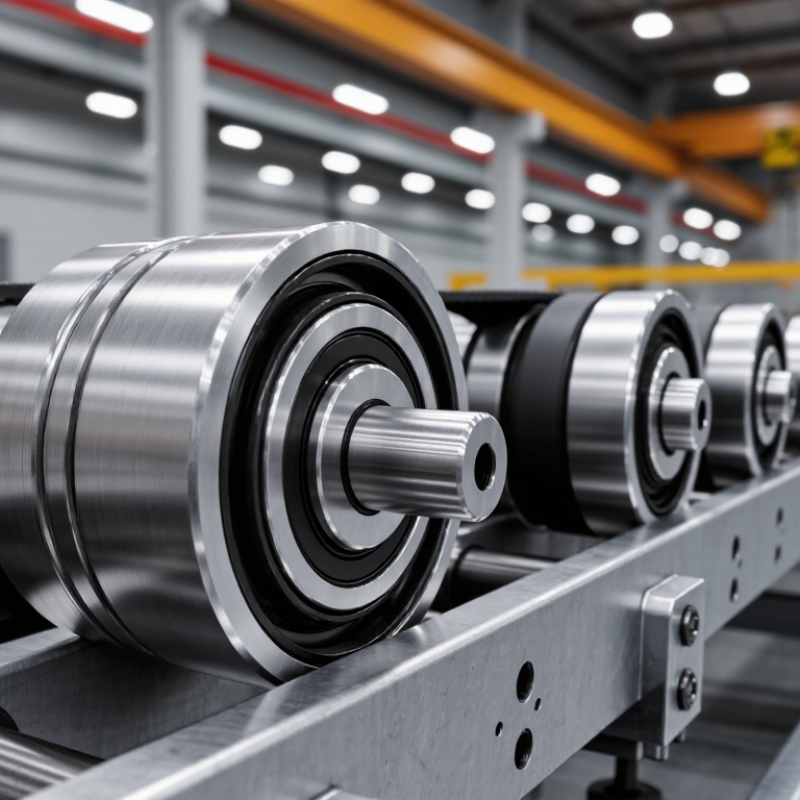
When comparing belt conveyor roller manufacturers, request more than a catalogue and a quoted load rating. Match roller diameter, shell thickness, bearing capacity, and spacing to belt speed, material size, impact zones, and operating hours. CEMA’s Belt Conveyors for Bulk Materials explains how idler selection depends on these operating conditions. Ask for measured shell runout, balance results, seal design, and test procedures.
Numbers matter.
Bearing life claims need context. ISO 281:2007 defines basic rating life at 90% reliability under stated conditions; contamination and poor lubrication can shorten service life. Ask whether the calculation reflects your actual load and environment, not just ideal test conditions.
The IEA’s 2011 report, Energy-Efficiency Policy Opportunities for Electric Motor-Driven Systems, estimates these systems use about 46% of global electricity. That figure is not specific to conveyors, but it makes rolling resistance worth checking.
Request evidence of consistent dimensions, material traceability, and inspection records. A polished datasheet can still hide weak field performance. I would also verify sample rollers in person; paperwork alone is not enough.



 Close