Top 10 Grounding Accessories for Global Buyers
When comparing grounding accessories, material selection should match soil, current, and installation conditions. Copper grounding rods offer excellent conductivity, while galvanized steel can reduce costs in less corrosive environments. Stainless steel performs better near saltwater, but its price is higher. Check galvanic compatibility before joining different metals.
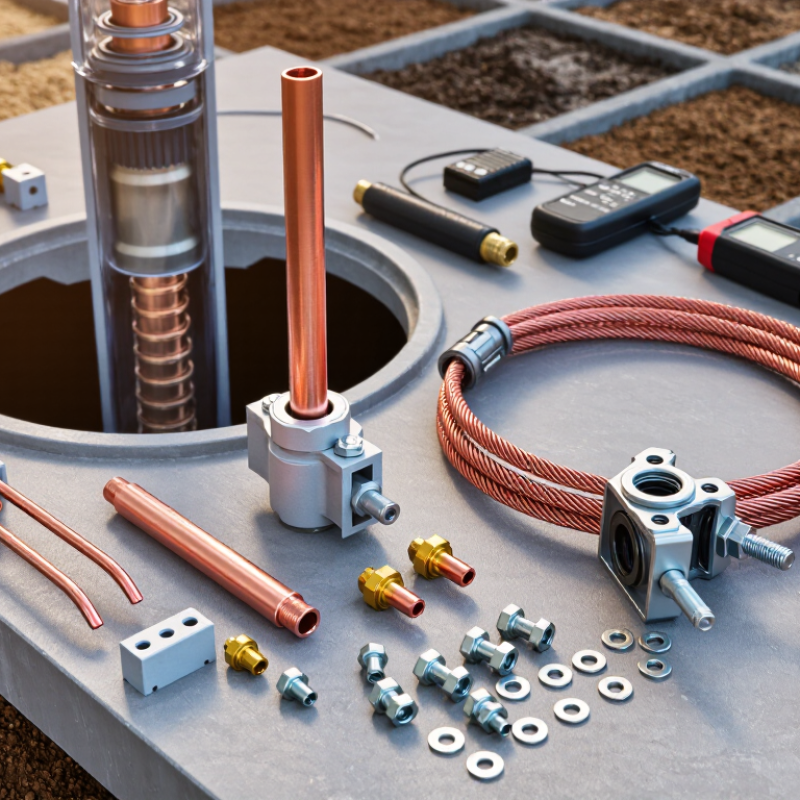
The main accessories include grounding rods, clamps, bonding jumpers, lugs, busbars, grounding wire, inspection wells, earth-enhancement compounds, exothermic welding kits, and surge-protection grounding modules. NFPA research estimates that electrical distribution and lighting equipment caused about 32,000 U.S. home fires annually from 2016 to 2020. Reliable connections matter. Look for tested current capacity, pull-out strength, corrosion resistance, and stable contact pressure. IEC 60364-5-54 also emphasizes protective bonding and suitable earthing arrangements for electrical installations.
Performance claims need careful checking. A thick rod is not automatically better. Soil moisture, electrode depth, and connection quality can change resistance dramatically. Field testing with a calibrated earth tester is more useful than relying on catalog figures. Exothermic connections usually provide durable joints, but they require trained installation and accurate mold selection. I have seen inexpensive clamps loosen after repeated thermal cycling. That mistake is easy to miss. Buyers should request material certificates, salt-spray results, test reports, and compatibility tables. Some suppliers provide impressive numbers without stating test conditions. That deserves a second look.



 Close