2026 Top Intermittent Pressure Device Manufacturers for Buyers
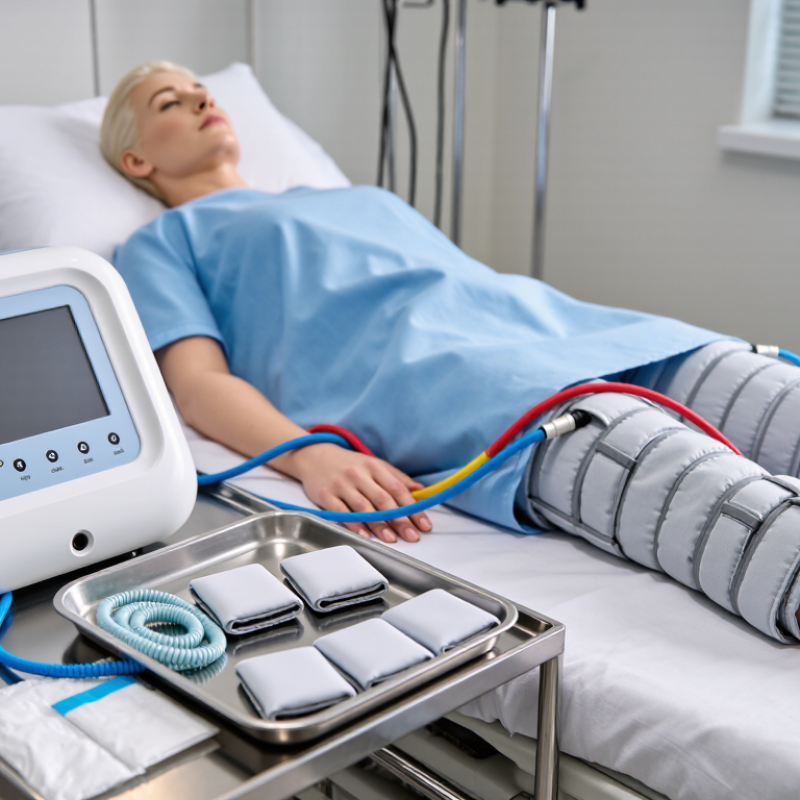
The 2026 comparison should begin with clinical capability, not catalog size. The CDC estimates that up to 900,000 Americans experience venous thromboembolism each year. This demand supports wider use of intermittent pneumatic compression in hospitals, rehabilitation centers, and home care. Leading manufacturers now offer programmable pressure cycles, adjustable sleeves, quiet pumps, and rechargeable power options. Some systems monitor pressure continuously, while simpler units depend on preset settings. That difference matters beside a hospital bed.
NICE guideline NG89 recommends intermittent pneumatic compression for selected patients when drug-based prevention is unsuitable. Buyers should therefore examine evidence, not only comfort claims.
Compare pressure ranges, inflation timing, alarm visibility, sleeve sizing, cleaning procedures, and battery duration. A 2024 market assessment by Grand View Research reported continued growth in the global compression therapy sector, driven by vascular care and aging populations. Market figures vary between reports. They should be treated as directional, not absolute.
In practice, a device with a clear display and a 10-hour battery may outperform a cheaper unit with more modes. Not always.
Staff training, maintenance access, and published clinical validation can change the result. Manufacturers with strong technical files and post-market surveillance deserve closer review. Some product comparisons still overlook skin tolerance and noise, which is a serious weakness.



 Close