Top Medium Voltage Cable Specifications for Global Buyers?
When it comes to selecting the right Medium Voltage Cable Specifications, global buyers face complex decisions. The importance of these specifications cannot be overstated. They ensure safety, efficiency, and compliance with local standards. With varying requirements across different regions, understanding medium voltage cables is critical.
Medium voltage cables play a vital role in the distribution of electricity. They connect power stations to consumers. Choosing the right specifications impacts performance and reliability. A misstep can lead to significant issues. Therefore, knowing the proper materials, insulation types, and voltage ratings is essential. Different applications may demand unique features based on environmental factors and load requirements.
Buyers often overlook details that can seem minor but are quite significant. For example, temperature ratings or cable sheath materials can influence longevity. It's essential to ask the right questions and seek expert advice. This reflective approach can help in making informed decisions. Understanding medium voltage cable specifications will lead to better outcomes for projects around the world.
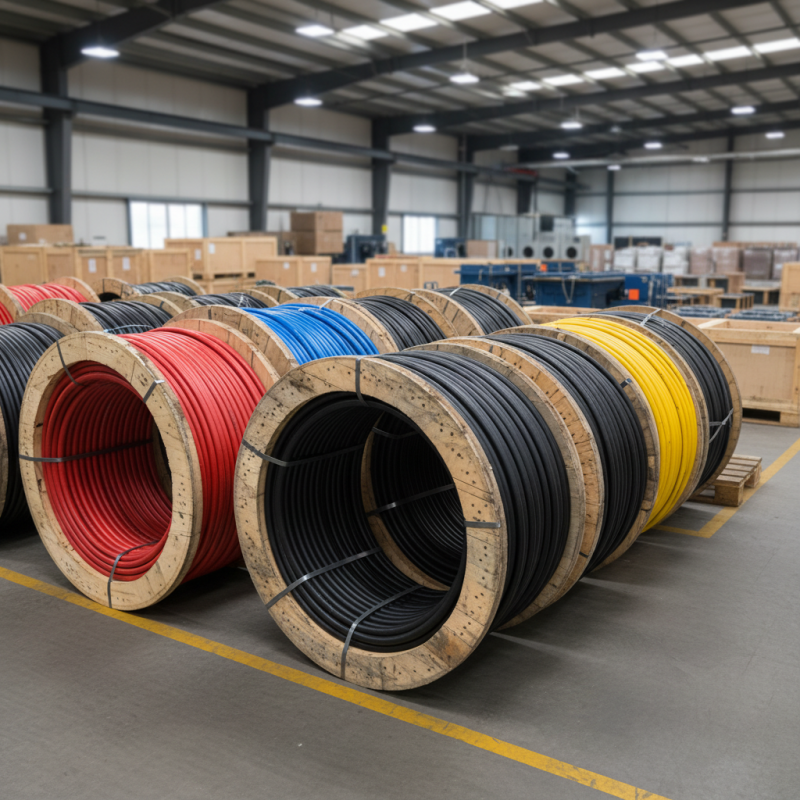
Understanding Medium Voltage Cables: Definition and Applications
Medium voltage cables play a crucial role in electrical distribution systems. They typically operate between 1 kV and 35 kV. These cables are essential for many industries, including utilities, manufacturing, and transportation. Their applications range from connecting substations to feeding industrial equipment. Understanding their specifications is vital for ensuring safety and reliability.
The construction of medium voltage cables often includes multiple layers. Insulation is key for protecting against electrical faults. Common materials used include XLPE and EPR, each selected for its unique properties. These cables may also have a metallic shield to improve performance. It helps in reducing electromagnetic interference. However, selecting the right type can be challenging.
Design factors such as temperature rating, installation environment, and load expectations must be assessed. These factors impact cable lifespan and safety. It requires some expertise to navigate these choices effectively. Buyers should consider not just cost but also compatibility with their systems. Reflecting on past experiences can guide better decision-making.
Top Medium Voltage Cable Specifications
This bar chart illustrates the typical specifications of medium voltage cables. The specifications include conductor sizes, insulation and sheath thicknesses, operating voltages, and temperature ratings which are essential factors for global buyers to consider when selecting medium voltage cables for various applications.
Key Specifications for Medium Voltage Cables: Voltage Rating and Insulation
When selecting medium voltage cables, understanding voltage ratings and insulation is crucial. Voltage ratings determine the maximum voltage a cable can safely handle. Common ratings include 3.3 kV, 6 kV, and 12 kV. Each rating serves different applications, influencing the cable's performance. For industries relying on consistent power supply, improper voltage ratings can lead to failures, costly downtimes, or unsafe conditions.
Insulation materials play an equally important role. They protect cables from environmental factors and mechanical stress. Common materials include XLPE (Cross-Linked Polyethylene) and EPR (Ethylene Propylene Rubber). Each material has its advantages, like thermal resistance and moisture protection. However, not all insulation is created equal. For example, specific conditions might require enhanced insulation to prevent overheating.
Choosing the right specifications is not straightforward. Factors like installation conditions, environmental influences, and operational requirements must be considered. It's vital to consult with professionals who can analyze specific needs. Overlooking these details can lead to inadequate performance and potential hazards. Recognizing this complexity helps make informed decisions in purchasing medium voltage cables.
Top Medium Voltage Cable Specifications for Global Buyers
| Specification | Details |
| Voltage Rating | 3.3 kV to 36 kV |
| Insulation Type | XLPE (Cross-Linked Polyethylene), EPR (Ethylene Propylene Rubber) |
| Conductor Material | Copper or Aluminum |
| Cable Construction | Single-core or Multi-core |
| Armoring | Steel Wire Armored (SWA), Aluminum Wire Armored (AWA) |
| Applications | Power distribution, industrial applications, renewable energy systems |
| Standards | IEC 60502, UL 1072, BS 7870 |
| Temperature Rating | Up to 90°C for continuous operation |
| Length | Standard lengths range from 500m to 1000m |
Material Choices: Copper vs. Aluminum in Medium Voltage Cables
When it comes to medium voltage cables, the choice of material is crucial. Copper and aluminum are the two primary options. Copper is known for its higher conductivity. It allows for efficient electricity transmission with minimal losses. Reports indicate that copper has a conductivity of around 5.8×10⁷ S/m. This quality makes it a preferred choice for many industries.
Conversely, aluminum offers a lighter and more cost-effective alternative. Its conductivity is lower, at approximately 3.5×10⁷ S/m. However, aluminum cables are easier to install due to their reduced weight. For projects with budget constraints, aluminum can be an attractive option. It's important to weigh the benefits against potential drawbacks, such as higher resistance and losses compared to copper.
Selecting the right material impacts performance and project costs. Therefore, understanding both options' advantages and disadvantages is vital. This decision is not solely about cost but also about long-term reliability and efficiency. Each project may have different needs, influencing the material choice significantly. Factors such as installation environment and expected lifespan should also be considered.
Safety Standards and Compliance for Global Buyers of Medium Voltage Cables
When purchasing medium voltage cables, safety standards are paramount. These cables must comply with international regulations to ensure safe operation. Global buyers should prioritize cables that meet IEC (International Electrotechnical Commission) standards. Compliance with these standards guarantees performance and reliability. It also reflects on the manufacturer's commitment to safety.
Another critical aspect is the material used in cable manufacturing. High-quality insulation materials reduce risks of failures. Buyers should look for cables with effective moisture resistance and thermal stability. Environmental conditions affect cable performance, and suitable materials enhance durability. Testing and certification processes can also vary widely among manufacturers.
It's essential for buyers to ask probing questions about safety compliance. Some manufacturers may not fully disclose their testing procedures. Transparency in certification can provide reassurance. Educating oneself about local and international regulations can empower buyers. The goal should be to invest in cables that prioritize safety and reliability without compromise.
Market Trends: Innovations and Future Directions in Medium Voltage Cable Design
The medium voltage cable market is evolving rapidly. Innovations are driving new designs that enhance efficiency and reliability. Manufacturers are exploring materials that reduce energy loss. For instance, using cross-linked polyethylene (XLPE) offers better thermal resistance. This results in improved performance under high loads.
Sustainability is another key trend. The push for eco-friendly cables is gaining momentum. Buyers are looking for cables that minimize environmental impact. Some designs incorporate recyclable materials. This shift highlights the industry's commitment to greener practices. However, challenges remain. Not all manufacturers can meet these new standards. Quality control is essential to maintain reliability.
Technology integration is also significant. Smart cables that monitor conditions in real-time are on the rise. They provide data that can prevent failures. But, the technology is still in the early stages. The cost and complexity may deter some buyers. New innovations should aim to balance performance and affordability. This is essential for wider adoption in the global market.



 Close
Close