Top 10 Micro Switch Types for Your Global Sourcing Needs?
Micro switches are essential components in various applications, from household appliances to industrial machinery. Understanding the different types of micro switches can greatly enhance efficiency in global sourcing. The right choice can lead to improved performance, while the wrong one may cause delays and extra costs.
In this article, we explore the top 10 micro switch types tailored for diverse needs. Each type has unique features that meet specific requirements. For instance, some are designed for high voltage, while others focus on precision. Knowing these distinctions is crucial for making informed decisions.
Sourcing micro switches can seem overwhelming. With so many options, mistakes are common. Companies might select a type that doesn’t suit their operational needs. This can lead to operational failures. Therefore, understanding micro switches is not just beneficial; it is necessary for success. The right knowledge can mitigate risks in the sourcing process.
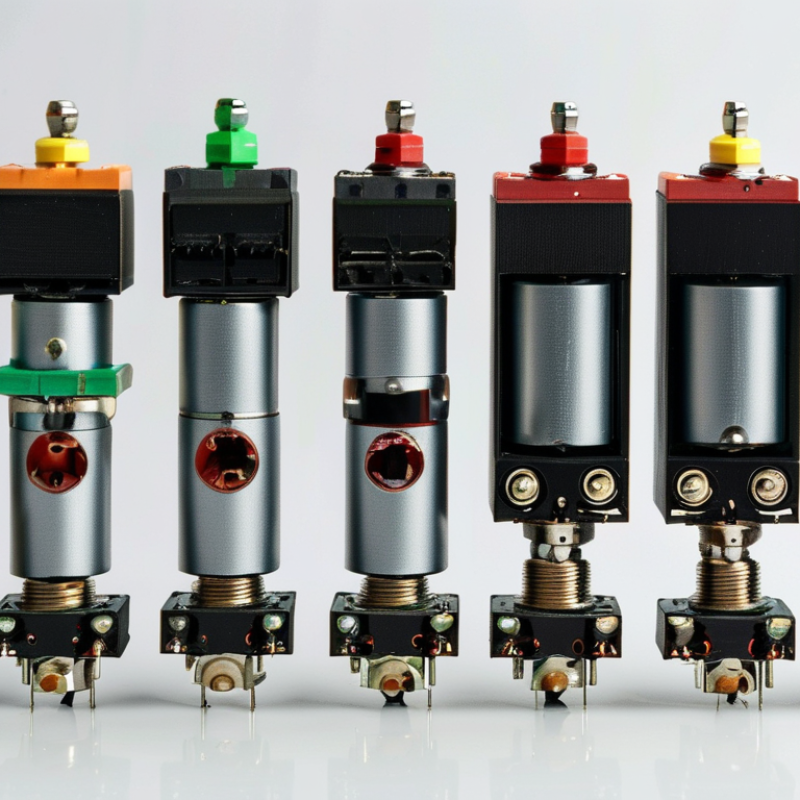
Understanding Micro Switches: Definition and Functionality
Micro switches are crucial components in various applications, including appliances, industrial equipment, and automotive systems. Their primary function is to open or close a circuit when a mechanical action occurs. This allows them to serve as reliable control elements in a wide range of devices. The design of a micro switch typically includes a small actuator that responds to pressure or movement. This makes them ideal for applications where space is limited.
Understanding the variety of micro switches available can be overwhelming. There are different types based on actuation methods, sizes, and operating forces. Each type has its distinct advantages and limitations. For instance, some micro switches ensure rapid response times, while others may offer higher longevity. It is essential to assess your specific needs and operational environment. Factors like humidity, temperature, and physical space can profoundly impact performance.
Choosing the right micro switch requires knowledge and experience. Some switches may not withstand extreme conditions, leading to potential failure. Regular testing and evaluation can mitigate such risks. Gathering insights from existing applications can guide better decision-making. By understanding the functionality of micro switches, you can ensure high reliability in your projects.
Types of Micro Switches: An Overview of Various Categories
Micro switches play a crucial role in many applications. Their primary function is to provide a reliable and responsive method for signal switching. There are various categories of micro switches, each designed to serve specific purposes. Among the common types, basic micro switches are widely used in general applications. They offer a simple design and reliable operation, making them a go-to choice for many industries.
Another category includes miniature micro switches. These switches are compact, perfect for tight spaces. They are often found in consumer electronics and appliances. Limit switches are also noteworthy. They play a critical role in machinery, ensuring safe operation by providing feedback on positional limits. Each type has its advantages and limitations, making it vital to choose the right one for your project.
Proximity switches, on the other hand, detect the presence of objects without physical contact. This feature adds safety and durability in certain environments. However, they can be less reliable in some scenarios. Understanding the various types of micro switches helps in making informed sourcing decisions. Pay attention to factors such as load capacity, size, and environmental conditions to ensure optimal performance in your applications.
Top 10 Micro Switch Types for Your Global Sourcing Needs
This chart presents an overview of the top 10 micro switch types based on industry applications and their features. It highlights the diverse options available for manufacturers and buyers in global sourcing.
Common Applications of Micro Switches in Industries Worldwide
Micro switches play an essential role across various industries worldwide. Their compact size and reliability facilitate automation in many applications. For instance, the automotive industry relies heavily on micro switches for their safety features. According to a recent industry report, 70% of modern vehicles utilize these switches in door systems and seat sensors. Their precision ensures proper functionality, significantly enhancing vehicle safety.
In consumer electronics, micro switches are integral in appliances like microwaves and washing machines. They provide the tactile feedback needed for user interaction. A recent study found that around 35% of household appliances use micro switches for user controls, showcasing their importance in daily life.
While micro switches are versatile, they do have limitations. Their sensitivity can lead to wear over time, requiring careful selection based on application environments. It's essential to recognize that not all micro switches are suitable for high-voltage applications. Evaluating their usage in specific contexts ensures better reliability and efficiency.
Top 10 Micro Switch Types for Your Global Sourcing Needs
| Micro Switch Type | Common Applications | Operating Force (g) | Contact Configuration | Operating Temperature (°C) |
| Basic Micro Switch | Appliances, Gaming Devices | 200-600 | SPDT | -25 to 85 |
| High-Precision Micro Switch | Medical Equipment, Robotics | 150-300 | SPST | -20 to 70 |
| Waterproof Micro Switch | Outdoor Equipment, Automotive | 300-800 | DPDT | -40 to 125 |
| Low-Profile Micro Switch | Consumer Electronics, Toys | 100-500 | SPST | -10 to 60 |
| Vibration Resistant Micro Switch | Industrial Machinery, Aviation | 250-700 | SPDT | -20 to 85 |
| Miniature Micro Switch | Automation, Safety Devices | 100-300 | SPDT | -10 to 70 |
| Snap Action Micro Switch | Home Appliances, Security Systems | 200-600 | SPDT | -25 to 85 |
| Panel Mount Micro Switch | Control Panels, Instrumentation | 100-400 | SPDT | -20 to 60 |
| Tilt Switch Micro Switch | Alarm Systems, Level Detection | 300-700 | SPST | -30 to 85 |
| Force Sensitive Micro Switch | Robotics, Automotive | 200-600 | SPDT | -15 to 75 |
Key Considerations for Global Sourcing of Micro Switches
When sourcing micro switches globally, several factors play a critical role. Quality and reliability are essential. Look for manufacturers with a solid track record in producing durable switches. Certifications can indicate compliance with industry standards. However, not all certifications carry equal weight. It’s important to verify their validity and relevance to your specific application.
Another consideration is the availability of technical support. Prompt assistance can make a difference during the design phase. Good communication is crucial for addressing issues quickly. Be wary of suppliers who do not provide clear channels for support. Sometimes, low-cost options might lack the necessary guidance or expertise.
Consider the logistics and lead times as well. Global sourcing can introduce delays, impacting your production schedules. Understanding the supply chain will help you mitigate risks. Be aware that fluctuating freight costs and international trade regulations might complicate the process. Staying informed can save you from unexpected challenges.
Future Trends in Micro Switch Technology and Sourcing Strategies
The micro switch market is witnessing exciting trends, especially in technology and sourcing strategies. A recent report projects that global micro switch demand will grow at a compound annual growth rate (CAGR) of 5.2% from 2023 to 2030. This surge is driven by advancements in automation and a growing preference for smart technologies. Manufacturers are increasingly moving towards eco-friendly materials. This aligns with global sustainability goals, making sourcing choices more complex.
Understanding the latest micro switch technology is crucial for sourcing strategies. Innovations such as smart sensing, miniaturization, and improved durability are reshaping product offerings. Reports indicate that 70% of companies now prioritize suppliers who can provide technologically advanced components. However, challenges remain, particularly in ensuring quality. Supply chain disruptions during the pandemic revealed that not all suppliers maintain consistent quality, raising concerns about reliability.
More businesses are exploring partnerships with regional suppliers. This approach not only mitigates risks but also supports local economies. Yet, it is essential to assess whether local suppliers meet global quality standards. As companies adapt to this changing landscape, the focus on robust sourcing strategies becomes clear. Balancing innovation with reliability is vital for future success in the micro switch sector.



 Close
Close