Top 5 Motor Start Capacitors You Need to Know?
In the world of electrical engineering, understanding the role of a Motor Start Capacitor is crucial. These components are essential for the efficient operation of single-phase motors. According to a report by the Electric Power Research Institute, nearly 70% of electrical failures in motors can be attributed to faulty start capacitors.
Dr. Emily Carter, a noted expert in motor technology, emphasizes the importance of these capacitors. She states, "Choosing the right Motor Start Capacitor can significantly influence the longevity and efficiency of your equipment." This insight highlights the critical role that these components play in both commercial and residential applications.
Despite their importance, many users overlook the specifications when selecting a Motor Start Capacitor. Not all capacitors are created equal; each one has unique operational parameters. For example, incorrect capacitance ratings can lead to reduced performance or premature failure. As industries evolve, keeping updated on the latest products remains vital for maximizing operational efficiency and reducing downtime.
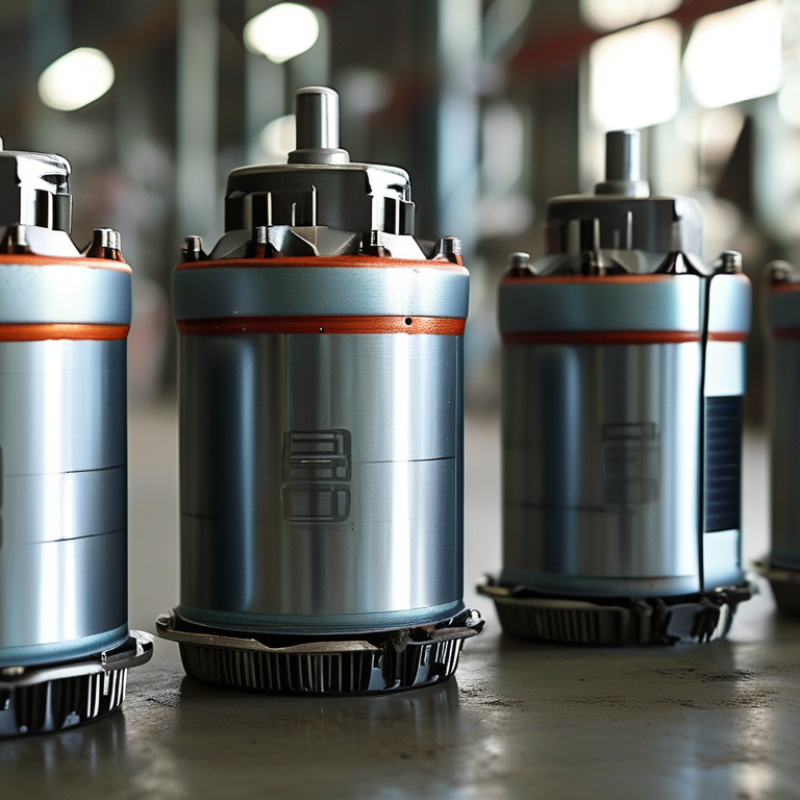
Understanding Motor Start Capacitors: A Brief Overview
Motor start capacitors play a critical role in the operation of electric motors. These components provide the necessary extra torque to start motors, which is vital in various applications. According to the U.S. Department of Energy, electric motors account for nearly 70% of industrial energy consumption. The efficiency of motors, aided by start capacitors, can significantly impact overall energy usage.
Understanding the types of capacitors is essential. There are two main types: run capacitors and start capacitors. Start capacitors are designed for short-term use. They help the motor reach its optimal speed quickly. However, improper selection of a start capacitor can lead to motor failure. A study published in the Journal of Electrical Engineering found that 30% of motor issues stem from faulty capacitors. This statistic highlights the need for proper knowledge and selection.
Another point of concern is the lifespan of start capacitors. Typical capacitors may last between 1,500 to 2,500 hours. However, factors like temperature and operating conditions can affect this range. Many users overlook these aspects, leading to premature failure. Regular maintenance and periodic checks can help in identifying potential issues in time. Understanding these details can lead to more efficient motor systems.
Key Types of Motor Start Capacitors and Their Applications
Understanding motor start capacitors is essential for various applications. These components boost the starting torque of electric motors, ensuring smooth operation. There are several key types of motor start capacitors, each designed for specific uses. Among them, the dual-run capacitor stands out. This capacitor supports both starting and running phases, enhancing efficiency in HVAC systems.
Another vital type is the permanent split capacitor (PSC). This capacitor operates continuously, providing stable performance in fans and pumps. These devices can significantly increase operational lifespan. According to a recent industry report by the Electrical Contractors Association, effective capacitor selection can reduce energy consumption by up to 30%.
An often-overlooked option is the electrolytic capacitor. It excels in applications requiring high capacitance values like refrigerators and compressors. However, improper handling can lead to failure, causing safety hazards. Professionals recommend checking specifications regularly to ensure reliability. Awareness of the differences between types can prevent costly repairs and downtime. Familiarizing oneself with these critical components contributes to better maintenance practices and enhances overall system efficiency.
How to Select the Right Motor Start Capacitor for Your Equipment
Selecting the right motor start capacitor is essential for optimal equipment performance. Understanding your motor's requirements will help you make an informed decision. The value of the capacitor must match the motor's specifications. A capacitor that is too weak won't provide enough starting power. Conversely, one that is too strong can damage the motor.
When choosing a capacitor, consider the voltage rating. Ensure it matches or exceeds the motor's voltage. A mismatch may lead to failure or a short circuit. Looking at the capacitance value is equally important. Typically, manufacturers list this information. It’s crucial for effective motor start-up and smooth operation.
Tips: Always check for any physical damage on the capacitor before installation. Regular inspections can prevent unexpected failures. If uncertain about your choice, consult a professional to avoid mistakes. Remember, a well-selected capacitor can enhance the lifespan of your motor while improper choices can shorten it significantly.
Top 5 Motor Start Capacitors You Need to Know
This bar chart displays the capacitance values of the top 5 motor start capacitors. Understanding these values will help you select the right capacitor for your equipment's needs.
Top 5 Recommended Motor Start Capacitors: Features and Specs
Motor start capacitors play a crucial role in various applications, providing the necessary boost to start motors efficiently. When selecting the right capacitor, it's important to consider key features and specifications. According to a recent industry report, non-polarized capacitors are often the most effective for motor startup, offering a capacitance range from 15 to 100 microfarads. These capacitors must also withstand high voltage, typically rated between 250V to 450V.
Another critical aspect is the temperature rating. Many capacitors function well in temperatures from -40 to 85 degrees Celsius. This range helps ensure performance in diverse environments. High-quality materials in construction can enhance reliability, with some capacitors featuring aluminum or metalized film. This can contribute to an average lifespan of around 10,000 hours.
Some common issues arise when using motor start capacitors. Incorrect capacitance can hinder motor efficiency, leading to overheating. Over time, improper installation can become a concern, resulting in premature failure. Regular inspections and replacement as needed are key to maintaining optimal motor performance. Understanding these elements can help in making informed decisions about motor start capacitors.
Top 5 Recommended Motor Start Capacitors: Features and Specs
| Capacitor Model | Capacitance (μF) | Voltage Rating (V) | Dimensions (mm) | Temperature Range (°C) | Application |
| Model A | 50 | 250 | 40 x 60 | -25 to 70 | Pumps, Fans |
| Model B | 70 | 330 | 50 x 80 | -20 to 85 | Compressors, HVAC |
| Model C | 30 | 400 | 35 x 50 | -10 to 60 | Power Tools, Motors |
| Model D | 20 | 440 | 45 x 70 | -25 to 60 | Refrigerators, Air Conditioners |
| Model E | 10 | 250 | 30 x 50 | -40 to 80 | Fans, Small Motors |
Common Issues with Motor Start Capacitors and Troubleshooting Tips
Motor start capacitors play a crucial role in the performance of electric motors. They provide a necessary boost of energy that helps start motors, especially in heavy-duty applications. However, they can fail or underperform due to common issues such as overheating, aging, or capacitor leakage. Industry studies indicate that about 30% of motor failures can be linked to malfunctioning start capacitors.
Troubleshooting a motor start capacitor is vital for maintaining equipment efficiency. Users should check for visual signs of damage, like bulging or discoloration. A multimeter can be an effective tool to test capacitance values. If the reading is significantly lower than the rated value, replacement is typically necessary. Notably, usage beyond the manufacturer's guidelines can shorten capacitor life significantly, sometimes down to only a few months.
Educational resources suggest that regular maintenance can prevent most capacitor issues. Inspections should be scheduled every six months, particularly for motors running frequently. Tracking motor performance data helps in identifying abnormal patterns, indicating potential problems. This proactive approach can result in better motor longevity and operational reliability.



 Close
Close