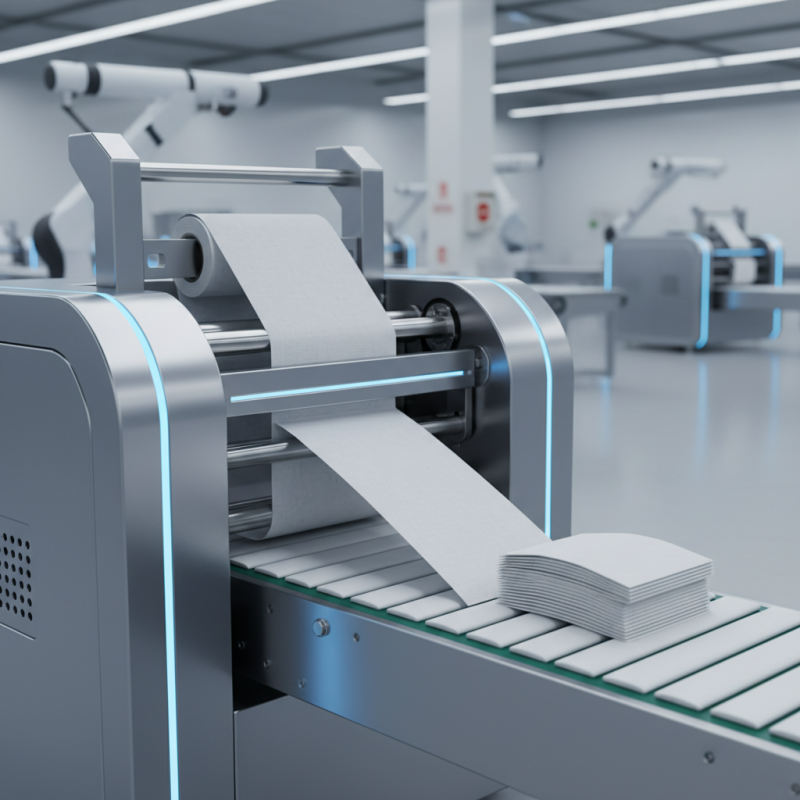
Top 10 Nonwoven Packing Machines You Need for Efficient Packaging?
In the ever-evolving landscape of packaging, the "Nonwoven Packing Machine" stands out. These machines are essential for businesses aiming for efficiency and sustainability. With the rise of nonwoven materials, companies can streamline their processes while benefiting the environment.
Choosing the right nonwoven packing machine can be daunting. Many options exist, each with unique features and capabilities. However, understanding their applications is crucial. This knowledge helps businesses select machines that align with their operational needs. Many organizations struggle with this aspect.
Nonwoven packing machines offer reliability and precision. However, inadequate knowledge can lead to poor investment choices. Companies must also weigh upfront costs against long-term benefits. Ultimately, successful integration of these machines hinges on informed decision-making and continuous evaluation.
Overview of Nonwoven Packing Machines and Their Importance
Nonwoven packing machines play a crucial role in modern packaging industries. These machines are designed to efficiently package a variety of products, ranging from medical supplies to consumer goods. According to a recent report by Smithers, the global nonwoven fabrics market is expected to reach 60 billion USD by 2026, signifying the growth of demand for efficient packaging solutions. As industries seek to optimize their supply chains, the importance of reliable packing machines has never been clearer.
One key advantage of nonwoven packing machines is their versatility. They can handle different materials without compromising the integrity of the package. Furthermore, Smart Packaging Solutions reports that companies using these machines can increase their packaging speed by up to 30%. This leads to faster turnaround times, which is vital in today’s fast-paced market. However, there are challenges. Not all machines are created equal; inconsistent product quality can lead to waste. Companies must invest time and resources to find the right fit for their specific needs.
Efficiency in packaging is often tied to cost savings. A leaner packaging process can reduce labor costs substantially. Still, ongoing maintenance remains a concern. Ensuring your nonwoven packing machinery operates at peak performance requires regular checks, which some companies fail to prioritize. Ignoring these maintenance practices can result in significant downtime. Thus, balancing efficiency with proper care is essential for sustainable packaging operations.
Top 10 Nonwoven Packing Machines for Efficient Packaging
Key Features to Consider When Choosing Nonwoven Packing Machines
When selecting nonwoven packing machines, several key features demand attention. The machine's speed is crucial. You want one that can keep pace with your production line. Too slow, and you'll face delays. Check the machine's efficiency rating. High efficiency means less waste, which is important for sustainability.
Consider the versatility of the machine. Can it adjust for different products? Flexibility in sizes and textures is key for diverse packaging needs.
It's also wise to look for machines that offer user-friendly interfaces. A complicated setup can lead to errors and downtime. Ease of operation is paramount in maintaining workflow.
Safety features should not be overlooked. Machines with protective guards and emergency stops are essential. However, some machines may neglect these aspects. Regular maintenance is another factor. A machine may promise high performance, but neglecting service can lead to issues. Reflection on these points is vital in making an informed choice.
Top 10 Nonwoven Packing Machines for Various Packaging Needs
In the world of packaging, nonwoven packing machines serve diverse needs. These machines are designed to handle various materials efficiently. They provide solutions for companies focused on sustainability and cost reduction. The versatility offered by nonwoven packing machines is undeniable. They can package anything from personal care items to industrial goods.
A key aspect to consider is the machine's adaptability. Different products require different packing techniques. Some machines excel in speed but lack precision. Others focus on quality but may operate slowly. Finding the right balance is crucial for businesses. It's essential to evaluate the specific needs of your products and choose a machine accordingly. Understanding your operational workflow can lead to better decisions.
The right nonwoven packing machine can certainly enhance productivity. However, many businesses might overlook necessary maintenance. Regular checks ensure that machines run smoothly and minimize downtime. This aspect often gets ignored in the rush of daily operations. Balancing efficiency with upkeep is something every business should reflect upon. Ensuring reliability can lead to long-term success in the packaging industry.
Top 10 Nonwoven Packing Machines You Need for Efficient Packaging
| Machine Model | Packing Speed (units/min) | Max Roll Width (mm) | Power Consumption (kW) | Weight (kg) |
| Model A | 50 | 1200 | 3.5 | 800 |
| Model B | 45 | 1000 | 4.0 | 650 |
| Model C | 55 | 1400 | 3.0 | 900 |
| Model D | 40 | 1100 | 4.5 | 700 |
| Model E | 60 | 1300 | 2.5 | 950 |
| Model F | 50 | 1500 | 3.2 | 880 |
| Model G | 65 | 1250 | 3.8 | 920 |
| Model H | 55 | 1400 | 2.9 | 800 |
| Model I | 70 | 1550 | 4.1 | 850 |
| Model J | 65 | 1350 | 3.6 | 760 |
Comparing Efficiency and Cost-Effectiveness of Nonwoven Machines
In the packaging industry, the efficiency of nonwoven packing machines directly affects production speed and cost-effectiveness. According to a report by MarketsandMarkets, the nonwoven fabric market is projected to reach USD 64.47 billion by 2025, highlighting the increasing demand for efficient machinery. Nonwoven machines streamline operations and reduce labor costs, which is crucial for companies aiming to improve their bottom lines.
The initial investment in nonwoven packing machines can be significant. However, when analyzed over time, the return on investment (ROI) becomes apparent. Research indicates that companies can save up to 30% on labor costs by adopting automated solutions. Additionally, nonwoven machines are known for their high speed and precision, often completing tasks in half the time of traditional packing systems. This does not only enhance throughput but also minimizes product waste, leading to greater cost savings.
While nonwoven packing machines offer many benefits, they also come with challenges. Maintenance can be complex, requiring specialized skills that may not always be readily available. Moreover, integrating these machines into existing systems can be disruptive. It is essential for businesses to weigh these factors when considering upgrades. Ultimately, the goal is to find a balance between efficiency and long-term sustainability in packaging operations.
Future Trends in Nonwoven Packaging Technology and Innovation
The landscape of nonwoven packaging technology is evolving rapidly. As industries shift towards sustainability, innovations in materials and machinery are key. Smart packaging solutions are gaining traction. These solutions not only enhance efficiency but also improve user experience.
One notable trend is the focus on biodegradable materials. Consumers favor eco-friendly options. This can challenge manufacturers to balance cost with sustainability. Using advanced nonwoven materials can help. They offer durability while being less harmful to the environment.
Tips: Invest in research to understand emerging materials. Collaborate with suppliers who prioritize sustainability. Experiment with smaller batches to optimize the production process.
Automation is another major trend. Incorporating advanced robotics can enhance efficiency. This technology minimizes human error and speeds up production. However, transitioning to automation is not without challenges. Training for staff becomes crucial, and initial costs can be high.
Tips: Conduct a cost-benefit analysis before transitioning. Regularly update training programs for ongoing efficiency. Gather feedback from employees to understand challenges during the transition.



 Close
Close