Top 10 Overflow Valve Block Types and Their Applications?
The Overflow Valve Block is critical in various hydraulic systems. Its role is to ensure safety and efficiency, especially in high-pressure environments. According to a recent industry report by the National Hydraulic Association, over 70% of system failures relate to valve block malfunctions. This statistic highlights the importance of understanding different types of Overflow Valve Blocks and their specific applications.
Expert engineer Dr. Jane Richards emphasizes this point, stating, “Choosing the right Overflow Valve Block can mean the difference between optimal performance and catastrophic failure.” Each type of overflow valve block serves unique purposes, from regulating pressure to controlling flow in hydraulic circuits. As industries evolve, so do the demands for more reliable and efficient solutions.
Despite advancements, many practitioners still overlook the critical nature of these components. This gap can lead to avoidable breakdowns. Evaluating the performance and application of each valve type becomes essential. Thus, understanding the top ten Overflow Valve Block types will provide valuable insights for engineers and technicians alike.
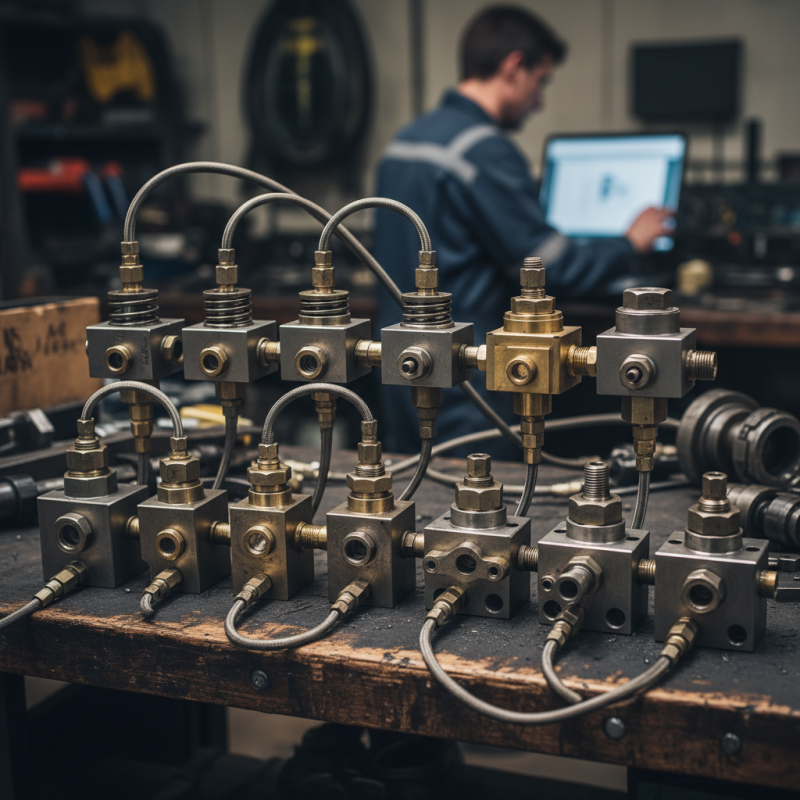
Overview of Overflow Valves and Their Importance in Fluid Systems
Overflow valves play a crucial role in fluid systems. They prevent over-pressurization by diverting excess fluid. This action protects equipment and maintains operational safety. In industrial applications, these valves are vital for enhancing equipment longevity. According to a recent report by MarketsandMarkets, the global overflow valve market is expected to reach $2 billion by 2025. This growth reflects their increasing importance.
These valves feature various designs tailored to specific applications. For instance, pilot-operated valves are common in hydraulic systems. They offer precise control and responsiveness. In contrast, spring-loaded valves are often found in pneumatic systems. Despite their wide usage, there are challenges. For example, improper sizing can lead to inefficiency. It’s essential to select the right type based on system requirements.
Maintenance is another critical aspect. Regular inspections can prevent costly failures. However, many operators overlook this step. An alarming percentage—approximately 30%—of systems face downtime due to valve malfunctions. This highlights the need for better awareness and practices in maintaining overflow valves. Recognizing their significance can lead to more reliable fluid systems.
Classification of Overflow Valve Block Types: Key Features and Functions
Overflow valve blocks are vital components in hydraulic systems. They control excess fluid flow and maintain pressure. Various types exist, each with unique features. For example, poppet valves offer reliable sealing under pressure. They are straightforward yet effective. On the other hand, diaphragm valves provide better leak protection. Their flexible membrane adapts well under various conditions.
Different sectors employ these valves differently. The automotive industry often uses adjustable overflow valves. They cater to varying vehicle demands. According to a recent industry report, robust hydraulic systems in construction now prefer proportional valves. This design allows precise flow control and boosts efficiency.
However, not all systems benefit equally from these valves. Some applications require specific designs for optimal performance. Coatings and materials in valve construction can influence durability. Regular maintenance is essential but often overlooked. Proper inspections could prevent costly failures. Selecting the right overflow valve block can be challenging. Awareness of each type's features is crucial for effective application.
Common Applications of Each Overflow Valve Block Type in Industry
Overflow valves play a critical role in various industries. Different types serve unique applications. For instance, spring-loaded overflow valves are common in hydraulic systems. They help maintain pressure by releasing excess fluid. This prevents damage to components. In water treatment, pneumatic overflow valves help manage flow and pressure. They ensure a consistent discharge, enhancing system stability.
Another type is the electronic overflow valve. It's widely used in automotive systems. This valve provides precise control over fluid dynamics. In some cases, it can be challenging to adjust settings accurately. Users must experiment with calibration to achieve optimal performance. Conversely, pilot-operated overflow valves excel in high-pressure environments. They're essential in oil and gas industries. However, their complexity can lead to maintenance issues if not managed properly.
Each overflow valve block type comes with its own set of challenges. For instance, the risk of fluid leaks is a concern. Regular inspections can mitigate this risk. Users often overlook the importance of proper installation. It's vital for ensuring longevity and efficiency. Learning from past experiences can guide improvements in usage and management of these valves.
Comparative Analysis of Efficiency and Performance Among Valve Types
When selecting overflow valve block types, understanding efficiency and performance is key. Different valve types serve various applications, making comparisons essential for optimal choices. For instance, spool valves are popular for fluid control. They offer precise flow management but can be complex to maintain. In contrast, poppet valves are simpler and can handle higher pressure differentials, though they may not provide the same flow rate.
Efficiency varies significantly across valve types. Some valves can lead to energy loss if not properly calibrated. It’s vital to test each configuration under real conditions. Take time to measure performance metrics that matter most, such as response time and flow consistency. Minor adjustments can yield better results.
Tips: Prioritize experimentation with different valve types. Regular maintenance can address inefficiencies before they escalate. Be open to revisiting your choices. Sometimes, a less popular type might outperform your current selection. Monitor usage and be ready to adapt. Staying informed can lead to better performance and efficiency.
Considerations for Selecting the Right Overflow Valve Block for Your Needs
When selecting an overflow valve block, several factors come into play. Understanding the application is crucial. Different types serve various needs, such as pressure control or fluid routing. Knowing your system's requirements can guide your choice.
Consider flow capacity. It directly impacts performance. A block that’s too small can restrict flow, causing issues. Conversely, a larger block may be overkill, leading to inefficiencies. Balancing these aspects is key.
**Tip:** Assess your system's specifications carefully.
Also, think about maintenance. Some blocks are easier to service than others. Complexity can lead to higher downtime and costs. The right choice should align with your maintenance capabilities and frequency.
**Tip:** Factor in accessibility for repairs.
Don't forget temperature and pressure ratings. Each application has limits. Exceeding these can lead to failure, which can be costly. It’s essential to choose a block that meets these critical parameters.
**Tip:** Cross-check ratings with your system's requirements.

 Close
Close