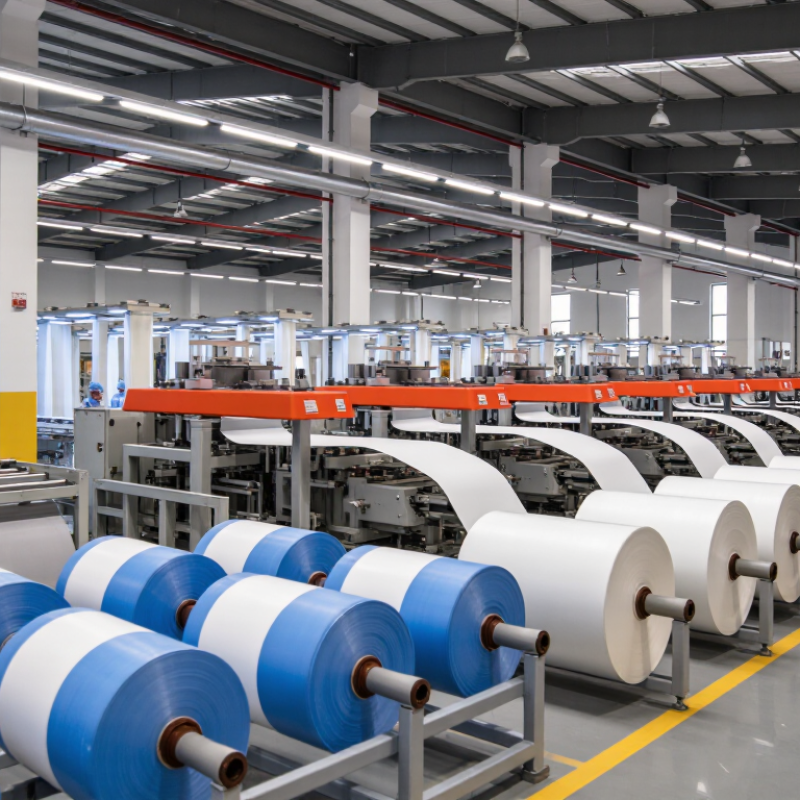
China’s PP nonwoven industry entered 2024 with substantial production capacity and a more competitive supply structure. Public industry data and factory disclosures suggest that nominal capacity continued expanding, especially in spunbond and spunmelt lines. Actual output, however, depended on orders, resin prices, energy costs, and machine utilization. Capacity is not the same as sales.
Medical demand cooled after the pandemic peak. Hygiene products, packaging, agriculture, furniture, and automotive interiors supported steadier consumption. Export orders also remained important, although freight rates and regional demand changed quickly. In supplier audits, production records often reveal more than advertised machine counts. A reliable manufacturer should show consistent roll weight, tensile strength, elongation, and defect-control data. Small variations matter.
The 2024 market favored efficient plants with broad product ranges and disciplined quality systems. Automation improved labor efficiency, while recycled-content discussions encouraged manufacturers to examine material traceability and process stability. Yet the market was not perfectly balanced. Excess capacity may pressure prices, and low quotations can hide thinner margins or weaker inspection routines. For a top-ten manufacturer comparison, buyers should examine annual output, utilization rates, export experience, testing capability, and delivery performance. A large factory is not automatically the safest choice. Resin sourcing, humidity control, winding accuracy, and after-sales response can decide whether a shipment performs well on the production floor.



 Close
Close