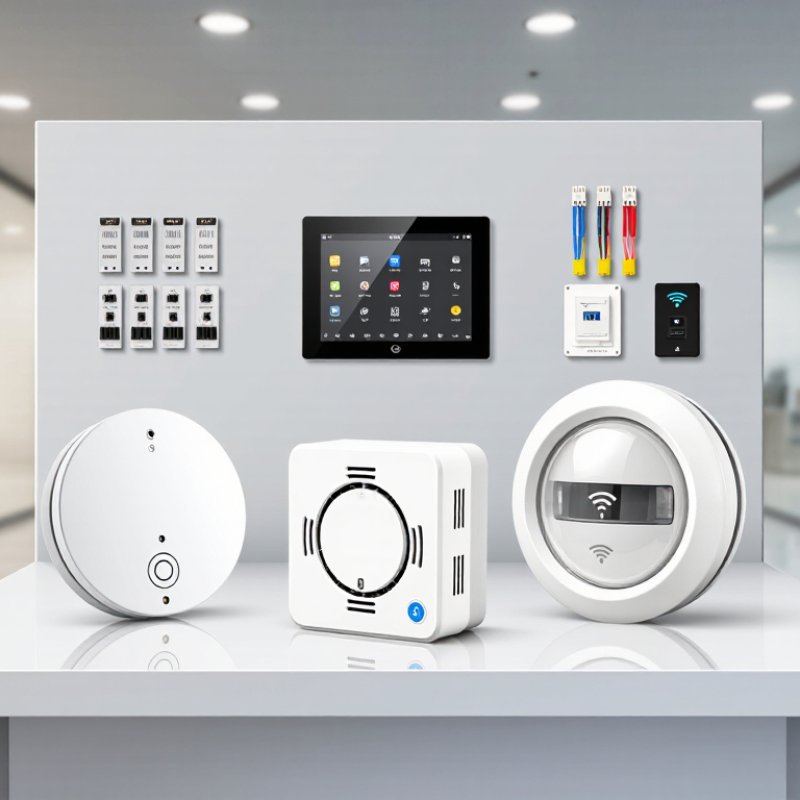
Interconnected smoke detectors use sensors, communication links, and coordinated alarms to provide warning across several rooms. Many models use photoelectric sensing, which detects smoke particles entering a small optical chamber. A light source and receiver monitor changes inside it. Dust can affect readings, so a well-designed chamber helps reduce nuisance alarms without ignoring real smoke.
When one detector senses smoke, it sends a signal to linked units through a wireless network or wired connection. The alarms can sound together, making the alert easier to hear behind a closed bedroom door. That matters at night. Useful features include low-battery warnings, connection-failure alerts, and a test button that checks the alarm and communication system. Some units also report which detector triggered the alert, helping people locate the source faster.
Reliability depends on more than the sensor. Radio signals can weaken behind thick walls, metal ducts, or large appliances, while depleted batteries may interrupt communication. These details are easy to overlook. For manufacturers in China, careful assembly, consistent sensor calibration, and clear installation guidance matter as much as adding more wireless features. No system is perfect, and occasional testing remains necessary. A detector that is difficult to install or maintain may perform poorly in real homes.



 Close