Top 10 Stacked Energy Storage Batteries for Global Buyers?
As the demand for renewable energy solutions rises, Stacked Energy Storage Batteries are gaining significant attention. These batteries offer efficient storage options for excess energy produced from solar and wind sources. Their design allows for better utilization of space, making them an appealing choice for businesses and homeowners alike.
Stacked Energy Storage Batteries are engineered to optimize performance. They provide a practical solution to energy management challenges. Different types of batteries exist, each with advantages and disadvantages. Knowing how to choose among them can be challenging and requires careful consideration of individual needs.
Navigating the global market for Stacked Energy Storage Batteries necessitates expertise. Buyers must assess battery life, capacity, and cost-effectiveness. Additionally, regulatory standards may influence choices. It's essential to make informed decisions based on reliable information and expert insights. The landscape is constantly evolving, which may introduce newer technologies and innovations. This requires ongoing research and adaptation from buyers.
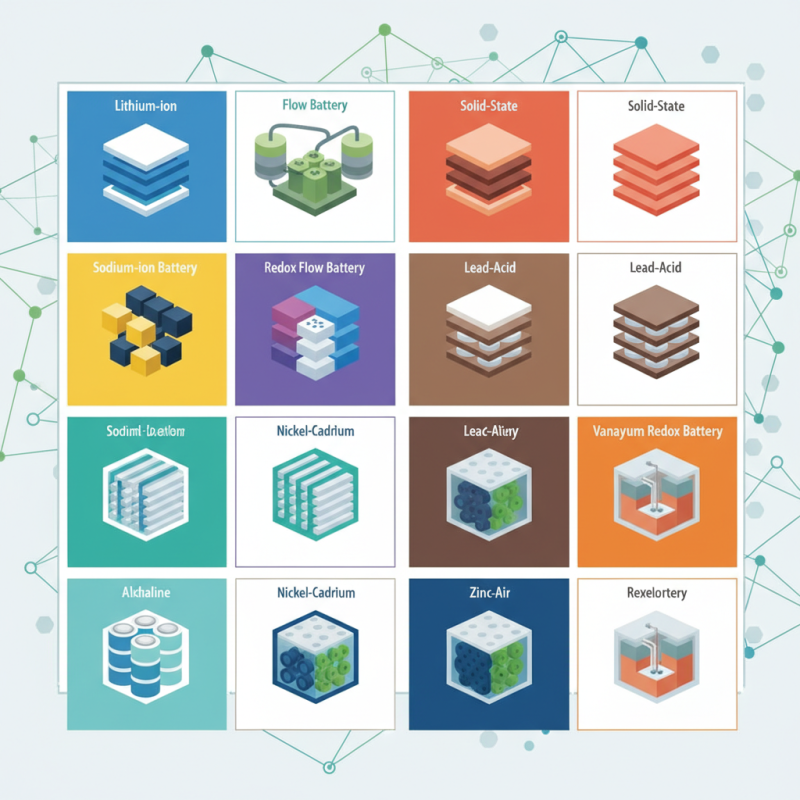
Top 10 Stacked Energy Storage Batteries: Industry Overview
The energy storage battery industry is rapidly evolving, driven by the need for sustainable energy solutions. Stacked energy storage batteries are gaining attention for their efficient space use and scalable solutions. These batteries utilize various technologies, including lithium-ion and flow batteries, to store energy for later use. The demand for reliable and high-capacity energy storage makes this an exciting area for exploration.
Understanding the intricacies of battery technology is crucial for buyers. Different applications require different specifications, such as energy density, charge and discharge rates, and longevity. Each factor affects overall performance and effectiveness in various scenarios. Buyers should consider their needs carefully.
Tips: When evaluating energy storage options, prioritize reliability and efficiency. Explore user reviews to gauge performance insights. Don’t overlook the importance of warranty and support. Choosing the right battery is not just about specifications; it's about finding a partner in energy innovation.
Top 10 Stacked Energy Storage Batteries: Industry Overview
Global Market Growth of Energy Storage Batteries by 2025
The global energy storage battery market is witnessing remarkable growth. By 2025, experts predict an increase driven by various factors. Renewable energy sources demand efficient storage solutions. As solar and wind energy usage rises, so does the need for reliable batteries.
Storage technologies are evolving rapidly. Advanced materials and innovative designs improve performance. Battery life, safety, and sustainability remain critical concerns. Smaller, lightweight batteries are becoming available for numerous applications. These batteries are vital in homes, businesses, and electric vehicles.
Challenges persist in this dynamic landscape. Manufacturers face high production costs and recycling issues. Meeting environmental regulations is crucial. The competitive market pushes for continuous innovation. Companies must adapt to shifting consumer demands. This ongoing evolution underscores the importance of sustainable practices in energy storage solutions.
Key Technologies Driving Stacked Energy Storage Solutions
Stacked energy storage solutions are gaining traction globally, driven by advancements in battery technologies. These innovations include improved energy density and cycle life. According to a recent report by MarketWatch, the global energy storage market is expected to reach $240 billion by 2030, reflecting a compound annual growth rate (CAGR) of 20% over the next decade. This surge highlights the industry’s growing importance in energy transition efforts.
Key technologies in this field encompass lithium-ion batteries, solid-state batteries, and flow batteries. Solid-state batteries, for instance, offer enhanced safety and energy density. Research indicates that they can potentially increase energy storage capacity by up to 50%. However, challenges remain, including high production costs and scalability issues. Flow batteries are promising for large-scale applications; they can provide longer discharge durations, yet they still grapple with efficiency limitations.
In pursuing reliable stacked energy storage solutions, companies face various hurdles. The need for more sustainable materials and recycling methods is critical. The industry must also address the supply chain complexities associated with raw materials like lithium and cobalt. These factors can impact both costs and availability, emphasizing the need for ongoing innovation and strategic partnerships in the sector.
Comparative Analysis of Battery Chemistries: Li-ion vs. Flow Batteries
The choice between lithium-ion and flow batteries is critical for energy storage. Lithium-ion batteries are widely used. They offer high energy density and efficiency. These batteries are compact and lightweight. They are suitable for both small devices and large systems. However, their lifecycle can be limited. Over time, capacity can diminish, impacting performance.
On the other hand, flow batteries present a different approach. They rely on chemical energy stored in liquid electrolytes. This allows for extensive scalability, making them ideal for large-scale applications. Their lifespans can exceed those of lithium-ion batteries. However, they often require more space and have lower energy density. This trade-off can affect installation decisions.
Both technologies bring unique advantages and challenges. Industry professionals must consider specific needs. Durability, cost, and efficiency all play a role in decision-making. Continuous advancements in battery technology are promising. Yet, there’s no one-size-fits-all solution. The balance between efficiency and practicality is essential.
Impact of Regulatory Policies on Energy Storage Adoption Worldwide
Regulatory policies significantly influence the adoption of energy storage systems globally. Governments worldwide are setting legislative frameworks to encourage investment in these technologies. In many regions, incentives such as tax credits and rebates are becoming common. These regulations often determine the viability of energy storage projects, impacting both cost and accessibility.
However, there are inconsistencies in policy implementation. Some countries have supportive measures in place, while others lag behind. This uneven landscape creates confusion for global buyers. It is essential to identify regions where regulatory environments are more favorable. Even within well-regulated areas, policies can change unexpectedly. Buyers need to stay informed about upcoming legislation.
Moreover, some regulations may inadvertently stifle innovation. Stricter guidelines can lead to increased costs and limited options for consumers. Finding a balance between safety and progress remains a challenge. Countries must continually assess their policies to ensure they promote, rather than hinder, energy storage adoption. Collaboration between governments and industry leaders could help forge a path forward.

 Close
Close