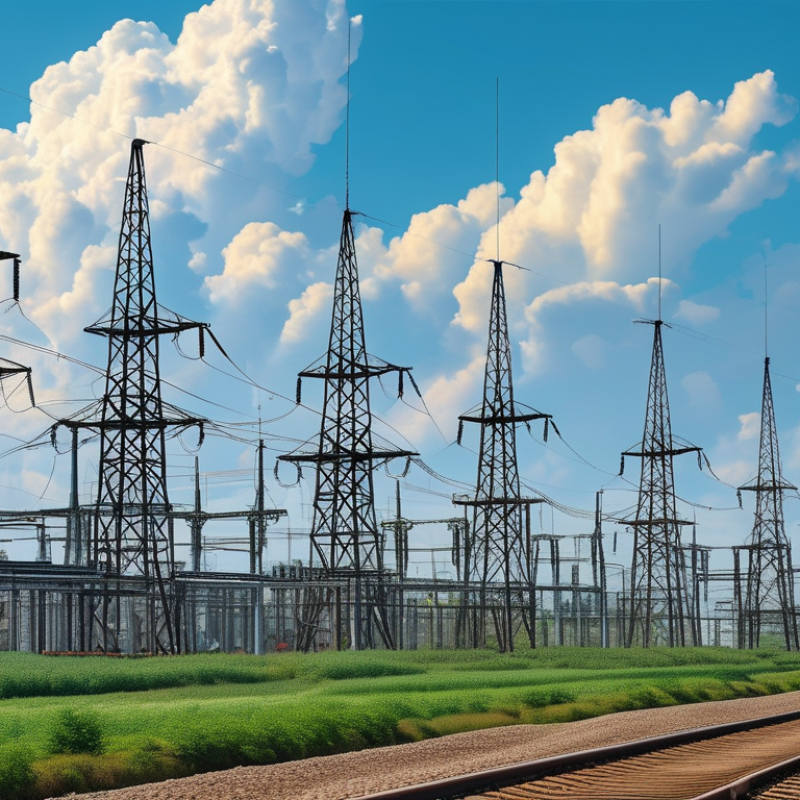
When evaluating transformer ratings, understanding voltage, current, and power is crucial. The voltage rating indicates the maximum voltage the transformer can handle safely. According to the IEEE Power and Energy Society, a transformer’s efficiency maximizes at around 97%, but this varies with its design, load, and cooling system. The primary voltage determines how much energy the transformer can convert, affecting overall functionality.
Current ratings are equally important. They reflect the maximum current the transformer can carry without overheating. The National Electrical Manufacturers Association reports that improper current ratings can lead to insulation damage or operational failure. Overloading a transformer beyond its rated current often results in safety hazards and long-term costs.
When buying transformers, always consider the power specifications. Match the power rating to the system requirements. Inadequate power ratings can lead to energy losses. Quick tip: Calculate your total system load and choose a transformer rated 20% higher to ensure reliability. This avoids issues and prolongs transformer life.
Always analyze these elements before purchasing. It’s essential to choose wisely, considering different factors. A misstep here can cause costly delays in your project.



 Close
Close